
Blooming
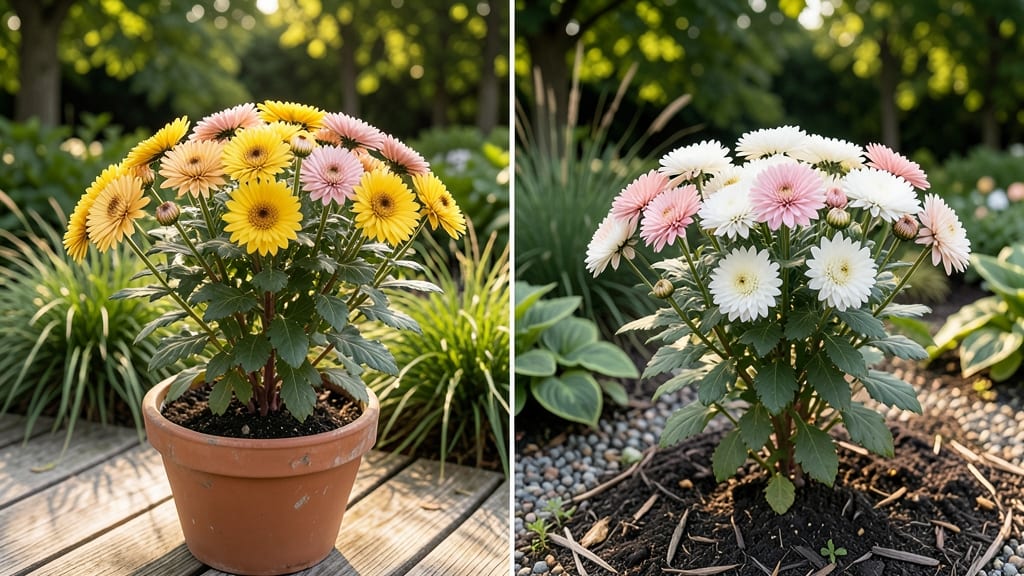
Chrysanthemums bloom every year when planted as perennials in USDA zones 5-9, though hardier varieties may require winter mulching. Annual types, replanted yearly, also produce consistent flowers with proper seasonal care.
These hardy plants follow natural seasonal cues—daylight hours and temperature shifts—that trigger their bloom cycles. 🌸 In colder zones, some types enter dormancy but regrow when spring arrives, while annuals simply need replanting each year.
The key is matching your variety to your climate and providing the right conditions, whether that's winter protection or strategic pruning to encourage new growth.
For instance, gardeners in zone 6 often use thick mulch to shield roots from freezing temps, while those in zone 8 might focus on consistent watering during dry spells.
The right balance of sunlight (6+ hours daily) and balanced fertilizer (low-nitrogen in late summer) makes all the difference in keeping those vibrant blooms coming back annually.
💡 In This Article
- Why Chrysanthemum Bloom Cycles Vary by Type and Climate
- Pro Tips for Year-Round Chrysanthemum Blooms
Why chrysanthemum bloom cycles vary by type and climate
Chrysanthemums exhibit different bloom cycles because they're divided into two main categories: perennials and annuals. Perennial varieties like 'Mammoth' or 'Dwarf Bonanza' store energy underground in their roots during winter, allowing them to regrow and flower again the following year.
This process relies on vernalization—a cold period that triggers flower buds to form in spring. In contrast, annual types like 'Bright Lights' complete their entire life cycle in one season, requiring replanting each year to see blooms.
The key trigger for blooming is daylight exposure, specifically shorter days in autumn. Chrysanthemums are short-day plants, meaning they need 12-14 hours of darkness daily to initiate flowering. This is why they typically bloom in fall—when days grow shorter.
In warmer climates like zone 9, they may bloom twice yearly, while in cooler zones like 5, they might need 3-4 weeks of temperatures below 50°F to break dormancy and restart growth. 🌿
Climate plays a critical role in bloom reliability. In zones 5-7, many perennials enter dormancy, with roots surviving 10-15°F temperatures if protected by mulch. Without protection, roots can freeze, killing the plant.
Annuals avoid this issue entirely since they're replanted each spring. Even within perennials, varieties differ—some like 'Korean Cosmos' handle cold better than 'Pacific Giant', which needs consistent moisture to prevent stress-induced dormancy.
Temperature extremes also affect bloom quality. Sudden heat waves above 90°F can cause buds to drop, while late frosts below 32°F may damage emerging flowers. This is why gardeners in transitional zones (like 7b) often use row covers or choose heat-tolerant varieties like 'Jeana'.
The plant's internal clock—controlled by hormones called florigen—coordinates these responses, making timing everything for yearly blooms.
Soil health matters too. Chrysanthemums thrive in well-draining soil with a pH of 6.0-6.5. Poor drainage or compacted soil can stress roots, reducing energy available for flowering. In heavy clay soils, adding compost or sand improves aeration.
The right soil ensures roots can store enough carbohydrates (like starch) over winter to fuel next year's growth—a process called autumnal storage.
What most gardeners overlook is the role of light intensity. While 6+ hours of sunlight is ideal, too much direct afternoon sun in hot climates can scorch leaves, weakening the plant. In such cases, partial shade (especially in zones 8-9) helps maintain vigor.
This balance between light and temperature is why some varieties bloom more reliably in coastal areas with moderate summers than in inland heat zones.
The bottom line? Perennial chrysanthemums can—and should—bloom yearly when given the right climate match, protection from extremes, and proper growing conditions. Annuals offer flexibility but require annual replanting. Understanding these botanical triggers helps you choose varieties that thrive in your specific microclimate. 🌸