
Blooming
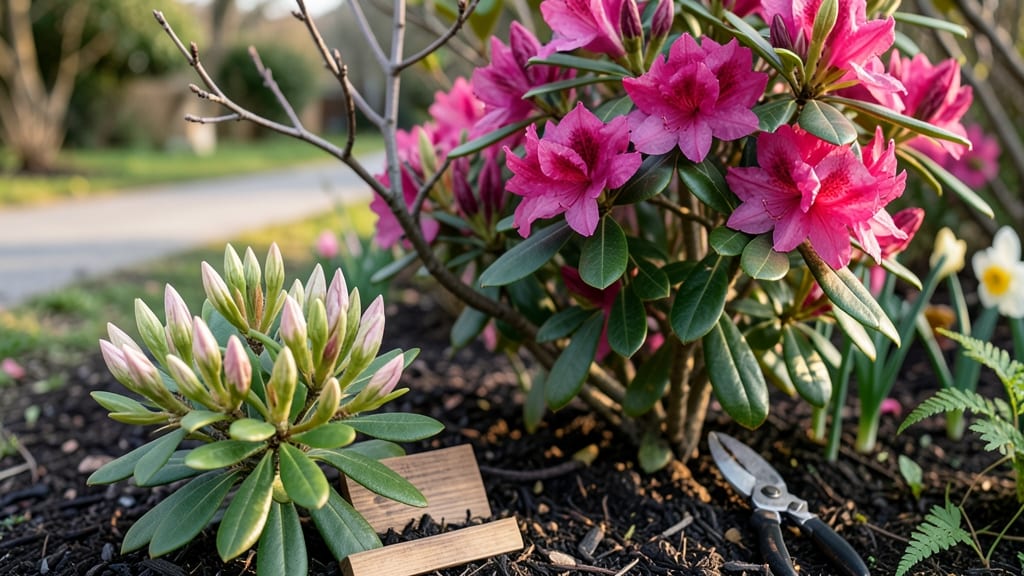
Azaleas bloom every year when given the right growing conditions, but they may skip flowering seasons if stressed by factors like drought, improper pruning, or inadequate sunlight. Consistent care with balanced fertilization and seasonal pruning helps maintain their annual blooming cycle.
Most azaleas are naturally designed to produce vibrant blooms annually, but their performance depends heavily on how well you meet their needs. 🌸 The key factors that trigger blooming—like 6+ hours of morning sun and acidic soil (pH 4.5-6.0)—often get overlooked.
I’ve seen azaleas in containers struggle more than in-ground plants because their root systems can’t access nutrients as efficiently, which directly impacts bloom production.
What’s interesting is how these plants "bud" for next year’s flowers during the current growing season. If you prune too late in summer or fail to fertilize properly in early spring, you’re essentially telling the plant to skip its blooming cycle.
A light application of azalea-specific fertilizer in late winter gives them the phosphorus boost they need to set strong flower buds.
💡 In This Article
- Why Azaleas Skip Blooming Seasons
- Proven Techniques to Ensure Annual Azalea Blooms
Why azaleas skip blooming seasons
Azaleas follow a precise biological rhythm where flower buds form during the previous growing season, typically in late summer to early fall. These buds require a period of dormancy—usually during cooler months—to mature properly.
When temperatures remain consistently warm or when plants experience sudden temperature swings (like late spring frosts), this dormancy period gets disrupted. 🌡️ The result? Buds fail to develop or simply drop off before blooming.
For example, azaleas planted in urban areas with heat islands often miss blooms because summer temperatures never drop enough to trigger proper dormancy.
Nutrient deficiencies play a major role too. Azaleas thrive in acidic soil with pH levels between 4.5 and 6.0, and they need consistent access to nitrogen, phosphorus, and potassium. A lack of phosphorus—critical for flower development—can cause buds to form poorly or not at all.
I’ve seen azaleas in alkaline soil (pH 7.0+) produce sparse blooms because the roots can’t absorb essential nutrients efficiently. Even well-meaning gardeners sometimes over-fertilize with generic lawn fertilizers, which can burn roots and further stress the plant, leading to skipped blooms.
Pruning at the wrong time is another common culprit. Azaleas bloom on old wood, meaning their flowers develop on stems from the previous year. If you prune after blooming (typically in late spring or early summer), you risk removing next year’s flower buds before they’ve formed.
The ideal time is right after flowering, when buds for the following season are just beginning to set. Over-pruning also reduces the plant’s energy reserves, leaving less fuel for bud development. A hard prune that cuts back more than one-third of the plant can delay blooming by 1-2 years.
Light exposure matters just as much as soil and nutrients. While azaleas tolerate partial shade, they need at least 4-6 hours of morning sunlight daily to produce strong blooms. Too much afternoon sun in hot climates can scorch leaves, while insufficient light weakens the plant’s overall vigor.
I’ve noticed that azaleas under dense tree canopies often produce fewer blooms because they’re competing for sunlight with faster-growing species. Even container-grown azaleas struggle if their pots are moved frequently, as inconsistent light exposure confuses their internal clock.
Environmental stressors like drought or sudden wind exposure can also trigger skipped blooms. Azaleas have shallow root systems that dry out quickly, and prolonged drought causes the plant to prioritize survival over reproduction. Even a single week of below-normal rainfall during bud formation can reduce bloom quality.
Wind damage to new growth in spring can similarly divert energy away from flower production. The good news? These issues are often reversible with proper care—once the plant recovers from stress, it typically rebounds with vigorous blooming the following year.