
Blooming
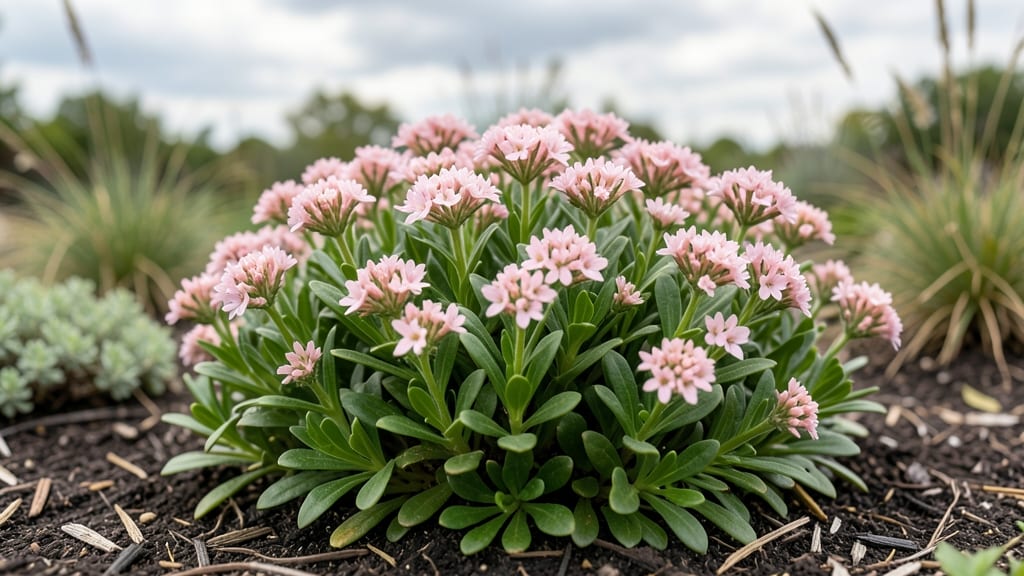
Candytuft blooms all summer only under ideal conditions—most varieties produce spring flowers with sporadic reblooming, but consistent deadheading and proper care can extend summer blooms for 6-8 weeks. Perennial types like Iberis sempervirens may rebloom lightly if pruned correctly.
Most candytuft varieties are spring bloomers by nature, but with the right approach, you can coax them into producing summer flowers. 🌸 The key lies in understanding their growth habits—annual types typically bloom once and fade, while perennials like Iberis sempervirens can rebloom if given proper attention.
Deadheading spent blooms regularly is your best tool to encourage new growth, but timing matters: too early or too late can disrupt the plant's cycle.
I've found that combining deadheading with a light fertilizer application in early summer gives my candytuft plants the boost they need to keep flowering well into August.
Different candytuft varieties have unique needs—evergreen types often handle summer blooming better than their spring-only cousins. For example, Iberis sempervirens can produce light summer flowers if you prune it back by about one-third after the initial spring bloom.
The secret isn't just cutting flowers but maintaining overall plant health through proper watering and sunlight exposure. Many gardeners overlook how crucial consistent care is during the summer months when plants are already stressed by heat.
💡 In This Article
- Why Candytuft’s Summer Blooming Depends on Variety and Care
- How to Maximize Candytuft’s Summer Flowers with Deadheading Hacks
Why candytuft’s summer blooming depends on variety and care
The candytuft plant's blooming cycle is deeply tied to its growth habit—whether it's an annual or perennial variety. Annual types like Iberis amara typically produce a single flush of flowers in spring and then fade, as their entire life cycle is designed to complete within one growing season.
Perennials, however, have a different story. Iberis sempervirens, the evergreen candytuft, stores energy in its roots over winter, allowing it to potentially rebloom if given the right conditions.
The key difference lies in their temperature sensitivity: annuals bolt (go to seed) quickly in heat, while perennials can handle summer temperatures better but still need encouragement to produce new blooms.
Light requirements play a crucial role too. Candytuft thrives in full sun (at least 6-8 hours daily), which triggers flowering hormones. When grown in partial shade, plants may produce fewer blooms and focus energy on leaf growth instead.
I've noticed that my Iberis gibraltarica plants—spring bloomers—struggle to rebloom in summer unless they receive consistent afternoon sunlight. The plant's internal clock also responds to day length: shorter summer days can signal candytuft to pause flowering unless you intervene with proper care.
This is why many gardeners see sporadic summer blooms rather than continuous ones.
Deadheading isn't just about removing spent flowers—it's about sending a signal to the plant to redirect its energy. When you snip off blooms that have faded, you're removing the seed heads that would otherwise trigger the plant's natural dormancy cycle.
For candytuft, this means cutting back just above a set of healthy leaves (about 1/3 inch above) encourages new growth from the base. What most people don't realize is that this pruning also improves air circulation, reducing fungal diseases that can stress the plant during hot summer months.
The result? A plant that's more likely to produce new buds rather than shut down for the season.
Consider these key factors when choosing varieties for summer blooms:
- Evergreen types: Iberis sempervirens handles heat better and may rebloom lightly if pruned correctly
- Spring bloomers: Iberis gibraltarica typically needs aggressive deadheading to encourage any summer flowers
- Annual varieties: Focus energy on spring blooms and may not rebloom at all
The plant's root system also matters. Perennial candytuft develops a stronger root network over time, which gives it the reserves to produce occasional summer flowers. Annuals, with their shallower roots, simply don't have the energy storage capacity.
This is why established perennial plants often surprise gardeners with unexpected summer blooms—sometimes just a few flowers, but enough to extend the season by 4-6 weeks beyond what's typical.
What's fascinating is how candytuft responds to stress. While we think of stress as harmful, in this case it can be beneficial. Mild summer drought followed by proper watering can actually trigger flowering in some varieties. The plant interprets this as a signal to reproduce before conditions become too harsh.
However, balance is key—too much stress (like extreme heat or drought) will kill the plant before it can rebloom. This delicate balance is why summer blooming requires such precise care.