
Blooming
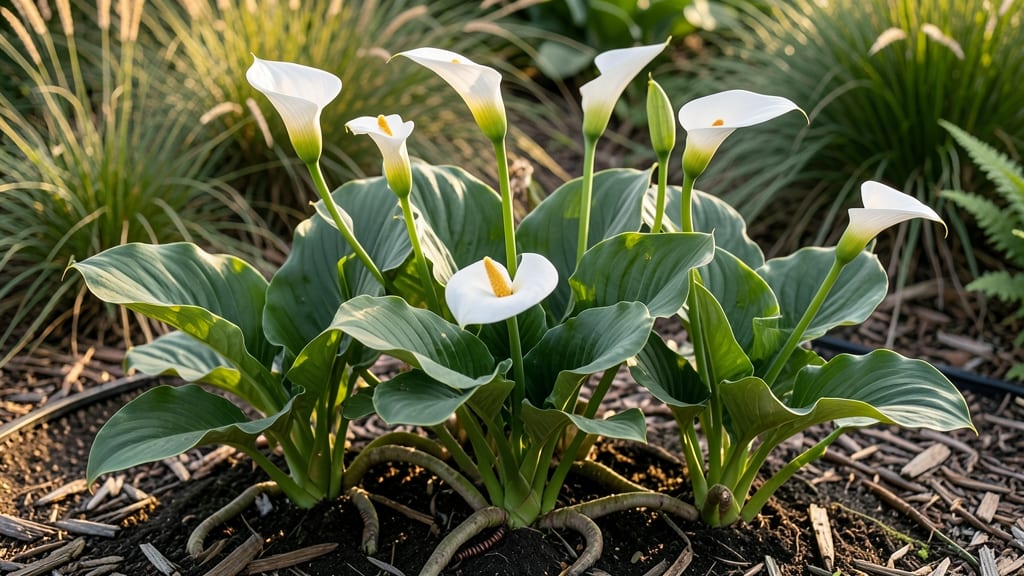
Calla lilies don't bloom every year naturally—they need precise care conditions like bright indirect light, proper dormancy periods, and well-draining soil to encourage annual flowering. Most varieties produce just one bloom cycle per season, typically in late spring or summer, but may skip blooming entirely if their care requirements aren't met.
Calla lilies are actually quite particular about their growing conditions, which explains why they might take a year off from blooming. 🌿 The key factors are sunlight exposure—these plants thrive with at least 6 hours of bright, indirect light daily—and proper dormancy periods.
In cooler climates, they naturally enter a resting phase in winter, which helps reset their flowering cycle. Without this break, many varieties simply won't produce those iconic blooms.
What's interesting is how different varieties respond: while some like Zantedeschia aethiopica (the classic white calla) bloom reliably under ideal conditions, others like Zantedeschia rehmannii may need extra encouragement through targeted fertilizing and pruning techniques.
For those eager to see annual blooms, the secret lies in mimicking their natural growing patterns. I've found that using a balanced fertilizer (like 10-10-10) during the growing season and providing a 3-4 month dormant period in winter makes a huge difference.
In warmer climates where winters are mild, you might need to artificially create this dormancy by reducing water and light. The good news is that with consistent care, even non-blooming callas can be coaxed back into producing those stunning flowers—it just takes patience and attention to their specific needs.
💡 In This Article
- Why Calla Lilies Skip Blooming: Science Behind Their Flowering Cycle
- Forcing Calla Lilies to Bloom Annually: Proven Care Strategies
Why calla lilies skip blooming: science behind their flowering cycle
Calla lilies follow a strict botanical rhythm where blooming depends on three critical factors: light exposure, temperature sensitivity, and root health. These plants are native to South Africa's subtropical regions, where they experience distinct seasonal changes that trigger flowering. The key mechanism is photoperiodism—their response to daylight length.
Most varieties need 12-14 hours of daylight during their active growing season (spring/summer) to initiate flower buds. When daylight drops below 10 hours (like in fall/winter), they enter dormancy, conserving energy for next year's blooms. 🌱
The root system plays an equally vital role. Healthy roots store starches during the growing season, which convert to sugars that fuel bloom production. When roots become stressed—from overwatering, poor drainage, or nutrient deficiencies—the plant prioritizes survival over reproduction, skipping blooming entirely.
For example, Zantedeschia aethiopica (the white calla) stores more energy in its rhizomes than Zantedeschia rehmannii (pink/red varieties), making it slightly more reliable for annual blooms. Temperature also matters: most varieties need daytime temps between 65-75°F and cooler nights (55-60°F) to set flower buds properly.
Here's what happens when conditions aren't met: Without adequate light, the plant's chlorophyll production drops, limiting energy for blooms. Insufficient dormancy (like keeping them in constant warmth) prevents the hormonal signals that trigger flowering. Even well-established plants may take 2-3 years to bloom if they haven't experienced proper dormancy.
The visual clue is often in the leaves—healthy, glossy foliage indicates good root health, while yellowing or wilting suggests stress that's delaying blooms. 💡
Variety-specific patterns add another layer. Zantedeschia elliottiana (black calla) typically blooms in late summer, while Zantedeschia rehmannii may produce multiple bloom cycles if given ideal conditions. The science shows that each variety has slightly different light and temperature thresholds for flowering.
For instance, pink callas often need more intense light than white varieties to trigger blooms. This explains why some gardeners see annual blooms while others struggle—it's not just about the plant, but the perfect match between variety and growing conditions.
What most people don't realize is how soil pH affects this cycle. Calla lilies prefer slightly acidic to neutral soil (pH 6.0-7.0). When soil pH drifts to 7.5 or higher, nutrient uptake suffers, particularly for phosphorus and potassium—both essential for flower development.
The result? Even with perfect light and dormancy, the plant may produce lush foliage but no blooms. This is why a simple soil test can reveal why your callas are skipping their annual show. 🌿
Seasonal comparisons highlight the importance of timing. In their native habitat, callas bloom during South Africa's summer (December-February), when daylight is abundant. When grown in northern climates, this translates to late spring/early summer blooms.
The challenge comes when gardeners try to force blooms outside this natural window—like planting too early in cold zones or keeping them in artificial light year-round. Both approaches disrupt the plant's internal clock, often leading to skipped blooming cycles.