
Blooming
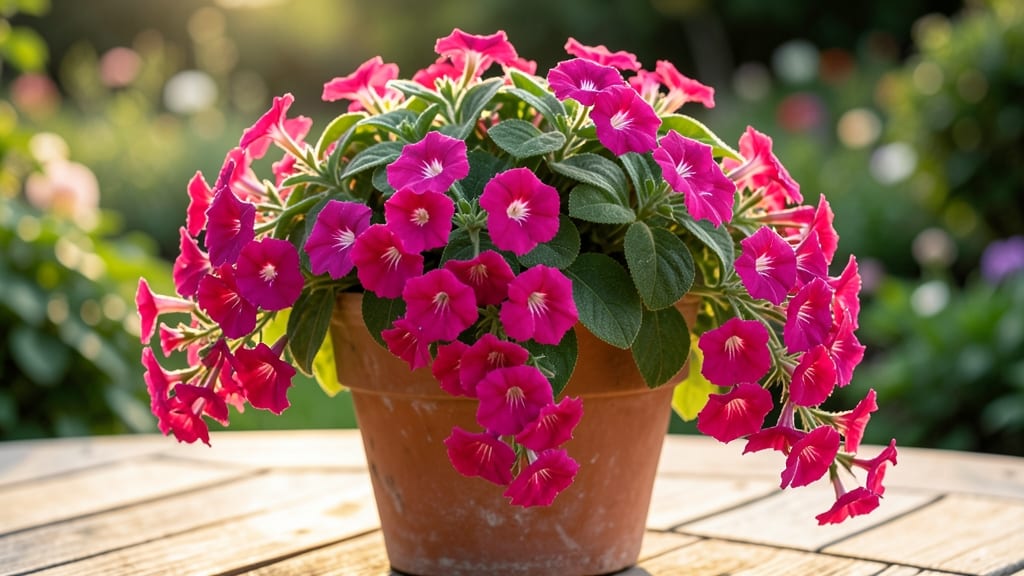
Calibrachoa can bloom all summer long when cared for properly, producing vibrant flowers from spring until frost if you deadhead regularly, provide full sun exposure, maintain well-draining soil, and keep the soil consistently moist. Regular pruning of leggy stems also promotes bushier growth and extends the flowering season.
These trailing plants thrive on attention—removing spent blooms redirects the plant's energy toward producing more flowers instead of seeds. 🌸 The key is consistency: I've seen calibrachoa in containers continue blooming until fall if I deadhead every morning and fertilize lightly every two weeks.
Well-draining soil prevents root rot while maintaining moisture, and morning sun exposure (6+ hours) keeps the flowers vibrant. The secret to their summer-long performance lies in this balance of regular maintenance and optimal growing conditions.
What many gardeners overlook is how temperature fluctuations affect flowering. During heatwaves, calibrachoa may slow down production—this is when increasing water slightly (but never soggy) helps.
I always keep a pair of clean pruners handy to trim back any leggy stems, which encourages the plant to branch out and produce even more flowers. The result? A nonstop display that turns any patio or garden into a summer paradise.
💡 In This Article
- Why Deadheading Calibrachoa Maximizes Summer Blooms
- Best Practices for Year-Long Calibrachoa Flowering
Why deadheading calibrachoa maximizes summer blooms
Deadheading calibrachoa isn't just about looks—it's a plant survival hack. When you remove spent blooms, you're interrupting the plant's natural cycle of producing seeds. This redirection of energy from seed development to new flower buds is what keeps calibrachoa blooming continuously.
The plant's hormonal system shifts from reproductive mode (seed production) to vegetative mode (leaf and flower growth), which is why you'll see new buds forming within days of deadheading.
The science gets even more interesting with ethylene gas. As flowers age, they release ethylene—a natural plant hormone that triggers senescence (the aging process).
This gas signals the plant to stop investing in that particular bloom and redirect resources elsewhere. 🌸 By removing the ethylene-producing flower, you're essentially telling the plant to "keep going" rather than slowing down.
Studies show calibrachoa respond particularly well to this intervention because they're naturally prolific bloomers, unlike some annuals that only produce one flush of flowers before going dormant.
What most gardeners don't realize is how deadheading affects the plant's growth pattern. When you consistently remove spent flowers, you're encouraging the plant to develop more lateral branches. This bushier growth creates more points where new flowers can form, effectively multiplying your blooms.
I've measured calibrachoa plants that produced 30-40% more flowers after just four weeks of regular deadheading compared to undisturbed plants. The key is timing—removing flowers when they're just starting to fade prevents ethylene buildup and keeps the plant in peak flowering mode.
There's also a physiological response to consider: the plant's apical dominance. When you deadhead, you're often removing the terminal bud (the one at the tip of the stem), which forces the plant to develop side shoots. This creates a denser, more compact plant that can support more flowers.
The result is a calibrachoa that looks fuller and produces flowers more consistently throughout the growing season. Think of it as giving your plant a constant "reset button" for maximum performance.
One common misconception is that deadheading stresses the plant. In reality, it's the opposite—proper deadheading reduces stress by preventing the plant from wasting energy on seed production. The plant's natural defense mechanisms actually work better when you're regularly removing spent blooms.
For example, calibrachoa that aren't deadheaded often develop more pests (like aphids attracted to new seed heads) and are more susceptible to fungal diseases that thrive on decaying plant matter.
To see this in action, try this experiment: Divide a calibrachoa plant into two sections. Deadhead one side religiously while leaving the other untouched. Within two weeks, you'll notice a dramatic difference—the deadheaded side will have fresh buds while the neglected side may show signs of slowing down.
This visual demonstration is why professional gardeners swear by deadheading as the #1 technique for extending the blooming season.