
How To
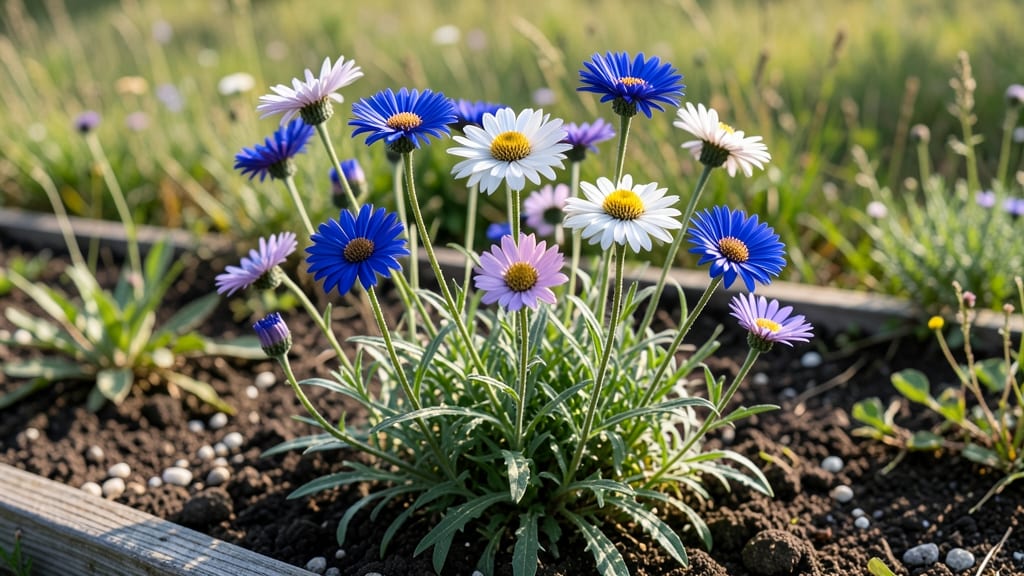
Bachelor buttons will bloom all summer long when you deadhead them consistently and provide the right growing conditions. This simple technique keeps your plants producing fresh purple flower spikes by redirecting energy away from seed production and toward new growth.
These cheerful flowers thrive on regular maintenance—think of it like giving them a haircut to keep their energy focused on blooming instead of seeding. 🌸 The key is to snip off faded blooms at the base right after they open, which signals the plant to produce more flowers.
I've found that plants in full sun with well-draining soil reward this care with nonstop color from early summer through fall, often lasting until the first frost. Just be mindful not to overwater, as soggy roots can lead to root rot and shorten their flowering season.
For even longer displays, I recommend fertilizing lightly with a balanced 10-10-10 mix every 4-6 weeks during the growing season. This gives them the nutrients they need to keep producing those vibrant purple spikes without becoming leggy.
The secret to bachelor buttons' long-lasting blooms is really this combination: deadheading, proper sunlight, and consistent (but not excessive) watering.
💡 In This Article
- How Deadheading Bachelor Buttons Extends Summer Blooms
- Best Practices for Year-Long Bachelor Button Care
How deadheading bachelor buttons extends summer blooms
Deadheading bachelor buttons isn't just about tidying up—it's a botanical hack that keeps these purple-spiked flowers blooming continuously. When you remove spent blooms, you're interrupting the plant's natural seed production cycle.
This redirection of energy triggers the plant to produce new flower buds from the leaf axils (the spots where leaves meet the stem).
Without deadheading, bachelor buttons would focus their resources on developing seeds, leaving fewer blooms for your garden. 🌿 The process works because removing the old flowers eliminates the source of ethylene gas, a plant hormone that signals aging and stimulates seed development.
Timing is everything when it comes to deadheading. The best moment is just after the purple flower spikes fade but before they turn brown and seed pods form. Use clean, sharp scissors or pruners to cut the stem about 1/4 inch above the next set of leaves.
This precise cutting prevents disease entry points while encouraging new growth from the leaf axils below. I've noticed that plants deadheaded at this stage often produce new blooms within 2-3 weeks, creating a continuous cycle of color.
The key hormone at play here is auxin, which regulates growth and is naturally concentrated in the tips of stems—removing spent flowers reduces auxin levels, prompting lateral buds to develop into new flowers.
What most gardeners don't realize is that bachelor buttons have a natural growth habit called "basal rosette" formation. This means they grow in a circular pattern from the base, with each new flower spike emerging from the center. When you deadhead, you're essentially stimulating this rosette to produce more spikes.
The plant's response is predictable: within 7-10 days of proper deadheading, you'll see fresh buds forming at the base of the plant. This is why consistent deadheading throughout the summer leads to that magical nonstop display of purple spikes that lasts until fall.
There's a science to how much you should deadhead. For bachelor buttons, aim to remove about 20-30% of the plant's total blooms weekly during peak flowering season. This balance prevents over-stressing the plant while maintaining the flowering cycle.
Too aggressive deadheading can lead to leggy growth as the plant stretches for more light, while too little leaves you with seed heads that detract from the plant's tidy appearance.
The ideal approach is to deadhead as soon as you notice the first signs of fading—when the purple spikes start to droop slightly but haven't yet turned brown.
The flowering cycle of bachelor buttons is fascinating when you observe it closely. Each flower spike typically lasts 10-14 days before fading, but with proper deadheading, the plant can produce 3-5 successive waves of blooms throughout the summer. This is because the plant's energy isn't being diverted to seed production.
The result is a garden that stays vibrant and colorful long after other annuals have finished their display. 🌸 The continuous blooming isn't just about aesthetics—it also attracts beneficial pollinators like bees and butterflies throughout the entire growing season, making your garden more ecologically active.
For those who want to push the blooming season even further, consider giving your bachelor buttons a light trim in early summer. Cutting back the stems by about 1/3 of their height encourages bushier growth and can stimulate a second flush of blooms.
This technique works particularly well if your plants start looking leggy or if you notice fewer new flowers emerging. The plant responds by producing more lateral branches, each capable of bearing new flower spikes.
Just be sure to do this trimming in the morning so the cut stems have time to dry out before evening, reducing the risk of fungal infections.