
Blooming
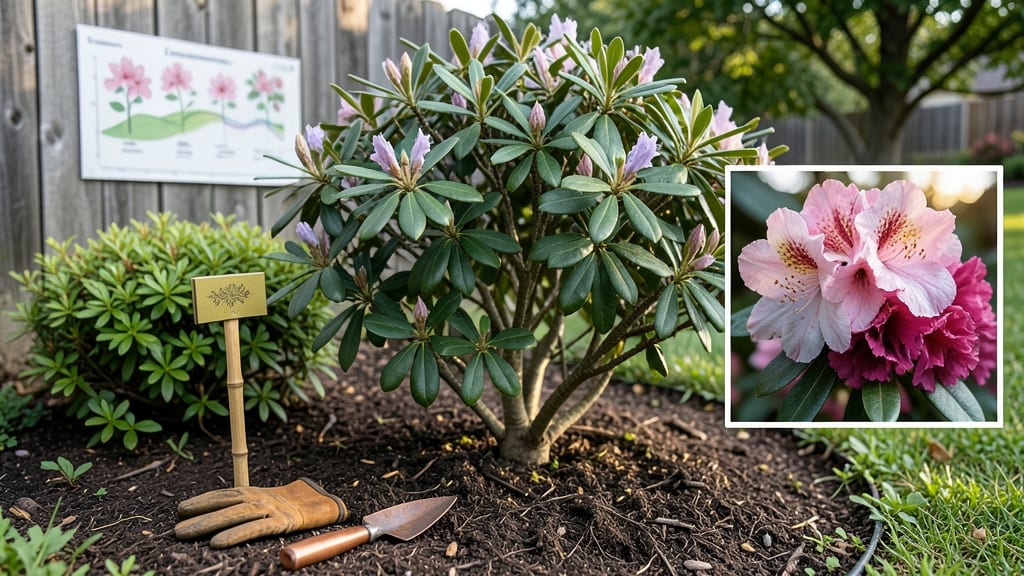
Yes, azaleas can bloom more than once in a season if they are reblooming varieties like Encore or Southern Indica, which require specific care including pruning, fertilization, and cooler nighttime temperatures after their first flush of flowers.
Not all azaleas have this ability—only certain reblooming varieties produce multiple flower cycles per season. 🌸 The key lies in their genetics and environmental triggers, particularly cooler nighttime temperatures (around 50-60°F) after the first bloom. Pruning after flowering and maintaining acidic soil (pH 4.5-5.5) also play crucial roles.
I’ve seen Encore azaleas produce stunning second blooms in late summer if given these conditions, while single-bloom types like Knaphill focus their energy on one spectacular spring display.
For best results, fertilize lightly after the first bloom with an acid-loving plant formula, and avoid heavy pruning until after flowering. Regional climates matter too—cooler northern zones often see more reliable reblooming than hot, humid southern areas where summer heat can stress the plants.
💡 In This Article
- Types of Reblooming Azaleas and Their Flowering Cycles
- Climate and Care Tips for Encouraging Azalea Reblooming
Types of reblooming azaleas and their flowering cycles
The magic of reblooming azaleas starts with their genetics. Unlike single-bloom varieties like Knaphill azaleas, which devote all their energy to one spectacular spring display, rebloomers like Encore and Southern Indica have been selectively bred to produce two distinct flowering cycles per year.
These varieties typically bloom once in spring and again in late summer or early fall, though the second flush is often smaller but equally vibrant. 🌸 The key genetic difference lies in their ability to break dormancy twice annually rather than once.
Temperature acts as the primary trigger for reblooming. After the first flush of flowers, these varieties need cooler nighttime temperatures (around 50-60°F) to signal the plant it's time to rest and prepare for another bloom cycle.
This is why Encore azaleas often produce their second bloom in late summer—when temperatures begin to dip slightly after the heat of mid-summer. In contrast, single-bloom varieties like Kurume azaleas focus all their energy on one spring display and enter full dormancy afterward, making reblooming impossible.
Light exposure also plays a crucial role. Reblooming varieties require 6-8 hours of sunlight daily but can tolerate partial shade, especially in hot climates. Too much shade reduces flowering potential, while too much direct sun can stress the plant and prevent reblooming.
The balance is delicate—think of it like Goldilocks: not too much, not too little, but just right for optimal performance. This is why Encore azaleas often thrive in USDA zones 7-9, where they get enough sunlight without extreme heat stress.
What most gardeners don't realize is that reblooming azaleas have a built-in mechanism to conserve energy. After the first bloom, they enter a semi-dormant state where they focus on root and foliage growth rather than flowering.
This is why proper fertilization after the first bloom is critical—it provides the nutrients needed for the second cycle. Without this post-bloom care, the plant may not have enough reserves to produce another flush of flowers.
Consider this comparison: A single-bloom azalea like the classic Rhododendron 'Girard's Pink' puts all its energy into one stunning spring display, while a rebloomer like Encore 'Autumn Red' divides its energy between spring and fall blooms, resulting in two smaller but equally beautiful displays.
The trade-off is that rebloomers often have slightly smaller individual flowers and may require more careful maintenance to achieve their second bloom.
For those interested in the science, reblooming is tied to the plant's photoperiodism—the response to daylight length. As days shorten in late summer, reblooming varieties like Southern Indica respond by initiating flower buds for the second cycle.
This is why you'll often see their second bloom coincide with the arrival of cooler fall weather, creating a stunning visual contrast against the changing season.