
Blooming
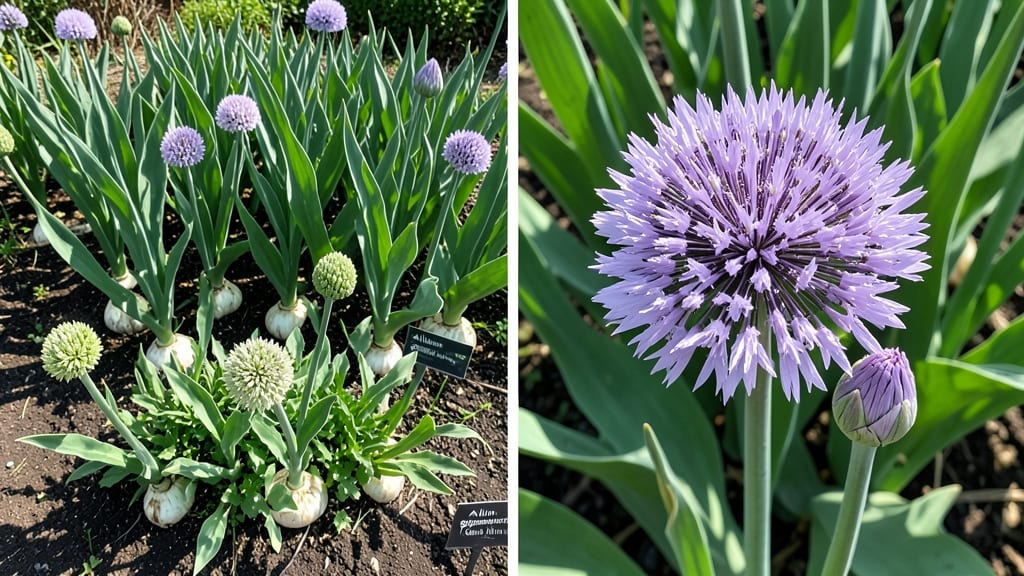
Alliums typically don't bloom all summer: most varieties produce a single flush of flowers in spring or early summer before fading, though globe alliums offer sequential blooms throughout the season. With the right care, you can sometimes coax additional blooms from certain species.
Alliums follow a natural blooming pattern tied to their energy cycles. Most varieties put all their effort into one spectacular spring display, then enter dormancy as they prepare for winter. 🌱 The exception is globe alliums, which produce smaller but sequential blooms—each flower stalk unfurling at different times.
Climate plays a big role too: cooler regions often see longer blooming periods, while hot summers can cause early fade-out. Understanding these patterns helps you choose varieties that match your growing season and care goals.
For gardeners wanting more color, the key is proper maintenance after the first bloom. Deadheading spent flowers (removing faded blooms) can sometimes trigger a second flush, especially in species like chives or garlic chives.
I've found that consistent moisture and balanced fertilization—particularly with phosphorus—also encourage reblooming in some allium varieties. The right conditions might not guarantee summer-long blooms, but they can definitely extend your allium season!
💡 In This Article
- Allium Bloom Cycles: Why Most Flower Once
- How to Encourage Reblooming in Alliums
Allium bloom cycles: why most flower once
Alliums follow a strict energy budget where their primary focus is reproduction through a single, dramatic flowering event. Most varieties allocate nearly all their stored nutrients to producing that one spectacular bloom in spring or early summer.
This is because alliums are monocarpic perennials—meaning they flower once before entering dormancy to rebuild energy reserves. The process begins when day length (photoperiod) triggers flower formation, typically requiring 12-14 hours of daylight for most species.
Once blooming starts, the plant's energy shifts entirely from foliage growth to seed production, leaving little for additional flowers.
The timing of this bloom is also influenced by temperature sensitivity. Cooler spring temperatures (50-65°F) often extend the blooming window by slowing metabolic processes, while summer heat above 80°F accelerates senescence (aging) and causes flowers to fade faster.
This explains why alliums in northern climates often bloom longer than those in hot southern regions. The globe allium exception occurs because these varieties produce multiple smaller flower stalks that unfurl sequentially rather than all at once, creating the illusion of continuous blooming throughout the season.
What most gardeners don't realize is that alliums also experience a post-bloom "recovery phase" where they prioritize bulb development over flowers. During this time, the plant's leaves may yellow and die back as it redirects energy to storing nutrients in the bulb for next year's growth.
This natural lifecycle explains why forcing additional blooms often backfires—you're essentially asking the plant to perform a task it's biologically unprepared for after its main reproductive event.
Climate plays a crucial role in these cycles too. In regions with four distinct seasons, alliums typically bloom in spring, then enter dormancy by early summer.
However, in Mediterranean climates with mild winters and warm summers, some varieties may attempt a second bloom in fall—though this is rare and often weak.
The key factor here is the plant's ability to recover enough energy between blooming cycles, which depends on soil fertility, water availability, and temperature patterns during the dormant period.
Consider this comparison: A giant allium (Allium giganteum) might produce a single 12-inch-wide flower head that lasts 2-3 weeks, while a globe allium (Allium sphaerocephalon) creates dozens of 1-inch flowers that open over 4-6 weeks.
The difference lies in energy allocation strategies—one goes all-in on a single statement bloom, while the other spreads its effort across multiple smaller displays. This fundamental distinction explains why most alliums can't sustain summer-long blooming.