
Flowers
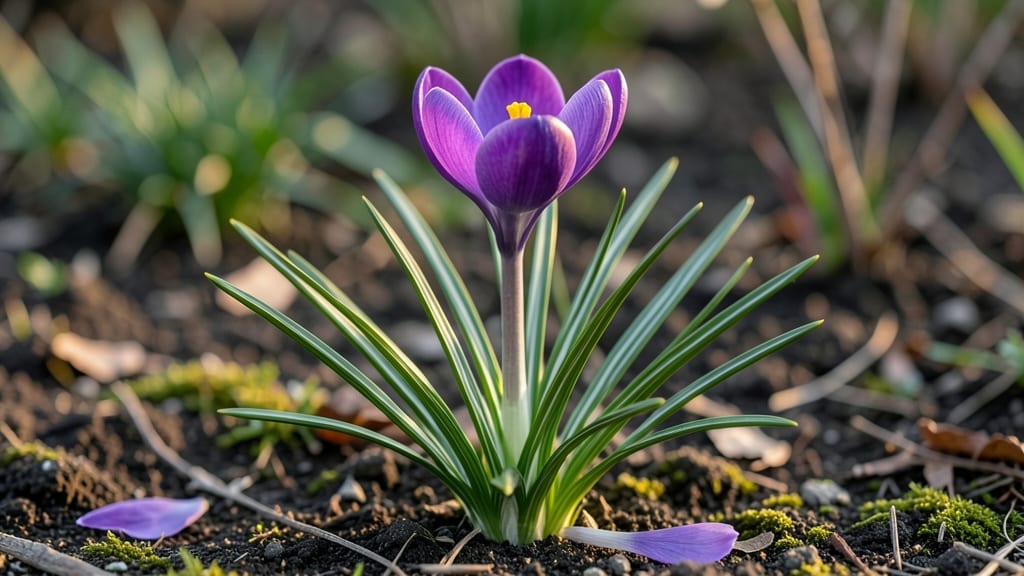
Crocus flowers bloom in early spring, bringing vibrant color to gardens when little else is in bloom — and timing your planting is the key to seeing them.
If you want to beat winter blues with vibrant early spring color, timing your crocus flower bloom is everything — plant too early, and frost will kill them; too late, and you miss the show.
In USDA Zone 6, most varieties push through snow in late February or early March, but Dutch crocuses can appear as early as January, while Giant crocuses wait until April. Climate, soil, and planting depth all shift that window.
Below, I’ll break down the exact planting months for your zone, the best varieties for early blooms, and how to tweak care for longer-lasting color — so you can enjoy those cheerful 🌼 faces year after year.
Crocus bloom Time by variety: when to expect flowers in your garden
Timing your crocus blooms means understanding that not all varieties follow the same schedule. Early spring is the classic window, but some types bloom in late winter or even fall.
Knowing these differences helps you plan for a sequential color show from February through April. For example, Dutch crocuses often appear first, while Tommasinian crocuses might linger into April.
Climate zone also shifts bloom timing dramatically. In warmer zones (8-10), crocuses may bloom as early as January, while in colder zones (3-5), they might not appear until late March or April.
Even within the same zone, microclimates—like sunny south-facing slopes—can push blooms earlier by 2-3 weeks compared to shady spots.
| Variety | Bloom Window (Zone 6) | Bloom Window (Zone 8) | Notes |
|---|---|---|---|
| Dutch Crocus (Crocus vernus) | Late February–March | January–February | Bright colors; first to bloom |
| Tommasinian Crocus (Crocus tommasinianus) | March–April | February–March | Purple shades; late bloomer |
| Giant Crocus (Crocus speciosus) | March–April | February–March | Large flowers; needs well-draining soil |
| Barely Crocus (Crocus minimus) | February–March | January–February | Tiny flowers; great for rock gardens |
| Fall-Blooming Crocus (Crocus sativus) | October–November | September–October | Saffron crocus; rare but stunning |
To predict your local bloom window, use a bloom chart and adjust for your USDA zone. Start by noting the average last frost date in your area—this is your target for planting.
For example, if your last frost is April 15, Dutch crocuses planted in September will bloom just before that date. Use a 10-day buffer for colder microclimates or shady spots.
Layering bulbs is a pro trick to extend your bloom time. Plant early bloomers (Dutch crocuses) in one spot and late bloomers (Tommasinian crocuses) nearby. This creates a 3-4 week color show instead of a single burst.
Just ensure all bulbs get full sun and well-draining soil—crocuses hate soggy roots.
Soil temperature also plays a role. Crocus bulbs need 60–70°F soil to break dormancy, which typically happens in late winter. In colder zones, mulch with 2–3 inches of straw after planting to insulate bulbs. In warmer zones, avoid mulching too early—wait until November to prevent rot.
Watch for color cues to fine-tune your timing. The first shoots appear when soil temps hit 50°F, usually 4–6 weeks after planting. If shoots emerge too early and frost threatens, cover them with lightweight row fabric. This protects tender growth without smothering the bulbs.
Don’t forget that fall-planted crocuses bloom earlier than spring-planted ones. If you miss the fall window, plant in early spring (as soon as soil is workable), but expect blooms 2–3 weeks later than fall-planted varieties.
This tradeoff is worth it for gardeners who love late-summer planting but still want spring color.
For a foolproof approach, mark your planting date and count 10–12 weeks ahead for blooms. This works for most varieties in Zone 6. In Zone 8, subtract 2–3 weeks from that window, while in Zone 4, add 2 weeks.
Adjust for elevation—every 1,000 feet higher delays blooms by 1 week.
Finally, keep a garden journal to track your crocus blooms year after year. Note the exact dates, weather conditions, and any deviations from the norm. Over time, you’ll spot patterns—like how a mild winter can push blo
Best planting months for crocus flowers by USDA Zone: a region-by-region guide
Timing is everything when planting crocus bulbs—get it wrong, and you’ll either lose them to frost or miss that cheerful early spring color. Since crocus thrives in cool fall and early spring conditions, your USDA zone dictates the perfect window.
In colder zones like 3–5, fall planting is critical, while milder zones 8–10 offer flexibility for spring planting. Let’s break it down by region so you can plant with confidence.
Before digging in, know that crocus bulbs need 6–8 weeks of chilling to trigger blooms. This means planting in fall (zones 3–7) ensures they’ll wake up early, while spring planting (zones 8–10) works if you’re in a warmer climate.
Soil prep matters too—amend heavy clay with compost to prevent rot, and choose a spot with full sun to partial shade for best results.
🌼 Zones 3–5 (Cold Winters)
Planting: September–October (6–8 weeks before first frost)
Bloom Time: March–April (early spring)
Note: Fall-only planting; spring planting risks frost damage.
🌼 Zones 6–7 (Moderate Winters)
Planting: October–November (or March for spring blooms)
Bloom Time: February–April (varies by variety)
Note: Fall preferred, but spring works if soil isn’t frozen.
🌼 Zones 8–10 (Mild Winters)
Planting: November–January (or February–March for spring blooms)
Bloom Time: January–March (or April–May if planted spring)
Note: Spring planting extends bloom season but may reduce bulb longevity.
Adjust your timing if your area has early/late frosts. For example, in Zone 5 with a late October frost, plant by mid-September to avoid damage. In Zone 9, where winters are mild, you can plant as late as January and still get blooms by February.
Always plant bulbs 3–4 inches deep and 3–4 inches apart for optimal growth.
Pro tip: Layer bulbs in fall-planted beds—plant deeper bulbs first (like Giant Crocus) followed by shallower ones (like Tommasinian Crocus) to stagger bloom times. This creates a nonstop color show from late winter through spring. Just remember, well-draining soil is non-negotiable—crocus bulbs rot in soggy conditions.
Once planted, mulch lightly with straw or shredded leaves to insulate roots during winter. In spring, resist the urge to fertilize until after blooms fade—this encourages bulb strength for next year.
With the right timing, your crocus will reward you with vibrant color just when you need it most. 🌸