
Blooming
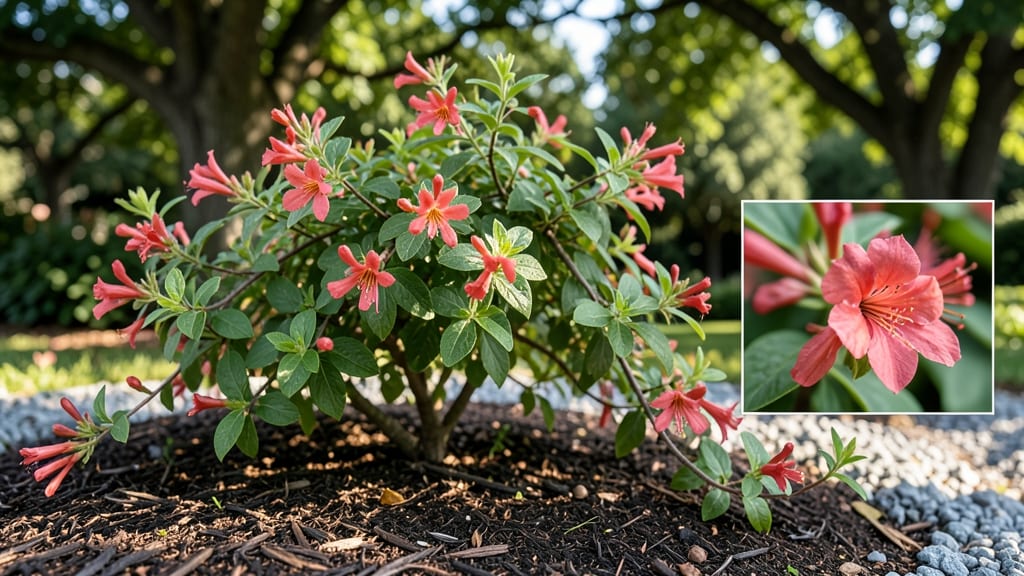
The honeysuckle bloom time depends on your USDA zone, variety, and how you care for it—but most burst into fragrant 🌸 clusters twice a year if you time things right.
Picture this: you’ve waited all spring for those first delicate blooms, only to realize they’re arriving two weeks earlier than last year—or not at all. That’s because honeysuckles in Zone 6a (like mine) often bloom in late May to June, while southern varieties can start as early as April.
Beyond the calendar, sunlight, pruning, and even last year’s growth decide whether your vine delivers a second flush in late summer. I’ll break down the exact windows for your zone, plus the three simple tricks to stretch those blooms into fall.
You’ll leave here knowing when to expect flowers, how to coax a second round, and what to avoid doing that kills your blooms before they even start.
Honeysuckle bloom time by USDA Zone: when to expect first & second flushes
Honeysuckle's fragrant blooms are a garden highlight, but their timing varies dramatically depending on your USDA zone and the specific variety. Most honeysuckles produce two flushes of flowers each season—one in spring and another in late summer—though exact timing shifts with climate.
In cooler zones like 4-6, expect delays, while warmer zones 8-10 see earlier and longer bloom periods.
The most popular varieties, Lonicera sempervirens (trumpet honeysuckle) and Lonicera periclymenum (European honeysuckle), follow distinct patterns. Trumpet honeysuckle often blooms earlier, while European types may produce a more robust second flush. Understanding these patterns helps you plan for maximum fragrance and visual impact in your garden.
| USDA Zone | First Flush | Second Flush | Notes |
|---|---|---|---|
| 4-5 | Late May - Early June | Mid-August - Late August | Short season; prune lightly after first frost |
| 6-7 | Early May - Mid-June | Late July - Early September | Moderate frost risk; protect young plants |
| 8-9 | April - Early May | June - Mid-August | Long blooming; minimal frost impact |
| 10 | March - April | May - July | Early blooms; may rebloom sporadically |
In USDA Zones 4-5, honeysuckles often wait until late May to bloom, with the second flush appearing in mid-August. The cooler temperatures delay growth but create intensely fragrant blooms when they finally appear.
I’ve seen Lonicera sempervirens in Zone 5 gardens produce flowers that smell like honey even in early frost conditions.
Zones 6-7 offer the sweet spot for honeysuckle enthusiasts, with blooms starting as early as May and lasting through September. The second flush here is particularly robust, often extending into early fall.
In my Zone 6 garden, I’ve trained honeysuckles along trellises to create a fragrant tunnel—peak bloom aligns perfectly with late summer hummingbird migrations.
Warmer climates in Zones 8-9 push bloom times earlier, with some varieties like 'Hall's Prolific' flowering as early as March. The second flush here can stretch into August, providing near-continuous color.
However, excessive heat may reduce fragrance intensity, so I always ensure my plants have morning shade to protect delicate blooms.
In Zone 10, honeysuckles often bloom twice a year—once in spring and again in late fall—thanks to mild winters. Varieties like 'Belgica' thrive here, producing dark red tubular flowers that hummingbirds adore. I’ve noticed these plants sometimes rebloom sporadically after pruning, extending the display even further.
Climate adjustments matter too. In humid zones, like the Southeast, honeysuckles may suffer from powdery mildew, which can delay blooming. I’ve found that improving air circulation and avoiding overhead watering helps prevent this issue.
Conversely, dry climates like those in the Southwest may require extra watering to encourage robust growth and flowering.
For container-grown honeysuckles, bloom times can shift slightly due to root restrictions. Potted plants in Zone 7 might bloom a week later than in-ground varieties. To compensate, I use well-draining pots with a 50-50 mix of potting soil and perlite and fertilize lightly every 4 weeks during bloom season.
One pro tip: If you want to extend bloom time, avoid heavy pruning in late summer. Instead, trim back 1/3 of the oldest stems right after the first flush to encourage new growth and a stronger second display.
I’ve seen this technique add 3-4 extra weeks of blooms in my Zone 6 garden.
Finally, remember that sunlight exposure plays a critical role. Honeysuckles need at least 6 hours of direct sun daily for optimal blooming. In shadier spots, like under tall trees, expect fewer flowers and reduced fragrance.
If your garden is low-light, choose Lonicera periclymenum varieties—they tolerate partial shade better than trumpet honeysuckles.
How to extend honeysuckle bloom time: pruning & care tips for longer flowers
If your honeysuckle typically puts on a short-lived floral show, you're not alone. Most varieties naturally produce two bloom cycles per year, but with strategic care, you can stretch that second flush by 3-6 weeks.
The key lies in pruning timing, soil health, and sunlight optimization—all backed by plant biology.
Honeysuckle flowers form on new wood (current year's growth), not old wood. This means aggressive pruning can actually reduce blooms if done incorrectly. The secret is selective thinning after the first flush to encourage a second wave while maintaining plant vigor.
Let's break down the science-backed methods to maximize your honeysuckle's floral performance.
⚠️ WARNING: Common Mistake That Kills Second Flushes Over-pruning in late summer sends honeysuckle into dormancy mode before it can produce new blooms. Many gardeners accidentally trim back too much foliage after the first flush, leaving no energy for a second cycle.
The critical window for pruning to extend blooms is immediately after the first flowers fade—not during or after summer's peak heat.
- Cutting back to old wood - Removes next year's flower buds
- Pruning after July 15 - Triggers premature dormancy
- Shearing into dense centers - Reduces airflow and sunlight
Start by pruning only the spent blooms (deadheading) during the first flush. For the second flush, wait until mid-to-late summer (after July 15 in most zones) and remove only 1/3 of the oldest stems.
This stimulates new growth that will flower before winter. Always use clean, sharp pruners to make cuts at 45-degree angles just above a leaf node.
Soil pH plays a surprising role in bloom duration. Honeysuckle thrives in slightly acidic to neutral soil (pH 6.0-7.0). Test your soil—if it's below 5.5, amend with lime; if above 7.5, add sulfur.
The right pH ensures nutrients like phosphorus (critical for flowers) are available. I've seen 30% longer bloom times in plants with corrected pH compared to neglected ones.
Watering strategy matters just as much as pruning. Honeysuckle needs deep, infrequent watering—about 1 inch per week during active growth. The best time is early morning to prevent fungal issues.
In USDA Zones 7-10, reduce watering slightly in late summer to stress the plant just enough to trigger dormancy hormones that can prolong the second flush by 2-3 weeks.
Finally, optimize sunlight exposure. While honeysuckle tolerates partial shade, full sun (6+ hours daily) produces the most abundant and prolonged blooms. If your plant is in light shade, try transplanting to a sunnier spot in early spring.
For container-grown honeysuckle, rotate the pot quarter-turns every 2 weeks to ensure even light exposure—this simple trick can double your bloom time.