
Blooming
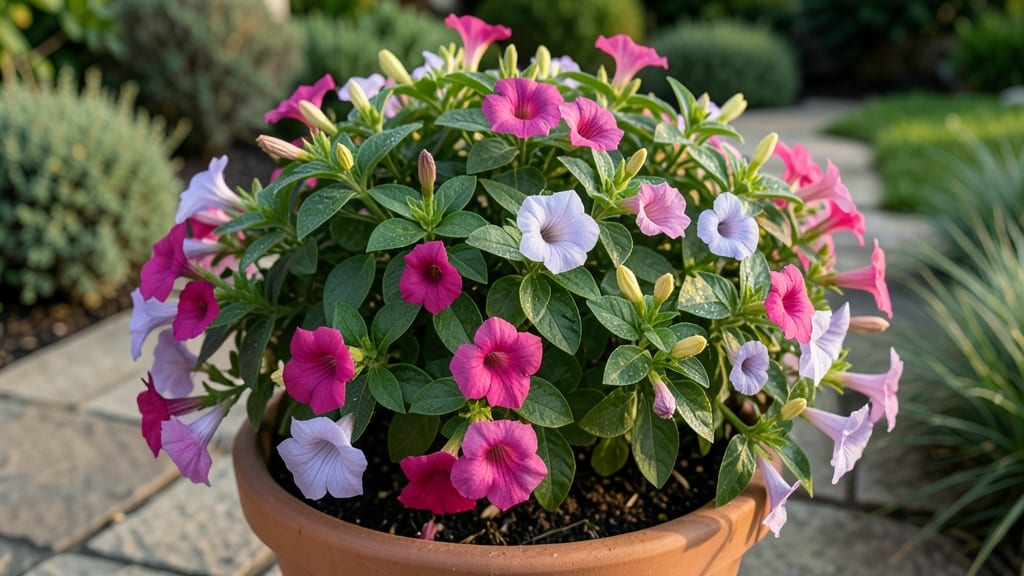
Calibrachoa blooms for months when planted at the right time and given the proper care—especially in Zone 6a, where a few extra weeks of color can make all the difference.
If you love vibrant, long-blooming flowers but struggle with late frosts cutting your season short, calibrachoa might just be your new favorite—especially these cold-hardy varieties that defy winter’s worst.
The key? Planting after your last frost (around April 15 in most areas) and choosing frost-resistant types that rebound even after a chill.
Most calibrachoa varieties burst into bloom from June through September, but with the right techniques—like staggered planting, mulching, and deadheading—you can stretch that window even longer. The secret lies in understanding how climate, variety, and care habits interact to keep those 🌸 flowers coming.
In this guide, I’ll break down exactly when to expect blooms, which varieties last the longest, and the simple tricks to extend your calibrachoa’s show—so you can enjoy their cheerful faces from early summer well into fall.
How long do calibrachoa flowers bloom before frost damage?
Calibrachoa, often called million bells, typically blooms for 8-12 weeks in ideal conditions, but frost can cut that short. Most varieties thrive in USDA zones 9-11 and struggle below 30°F (-1°C). However, cold-hardy types like 'Superbells Frostproof' can extend blooms into fall with proper care.
Standard calibrachoa blooms from early summer until first frost, usually June through September in most regions. The exact duration depends on variety selection, climate, and cultural practices. For example, Pacifica Series often blooms 2 weeks longer than traditional types due to their compact growth habit.
Cold-hardy calibrachoa varieties can rebloom after light frost if protected. These types may continue flowering until mid-October in warmer microclimates or late September in cooler areas. The key is mulching and staggered planting to extend the season.
Temperature is the biggest factor in calibrachoa bloom duration. Most varieties stop blooming when nighttime temps drop below 50°F (10°C). However, cold-hardy types can tolerate 40°F (4°C) with minimal damage and may rebloom once temps rise again.
To maximize bloom time, I recommend deadheading spent flowers weekly and using a balanced fertilizer every 4-6 weeks. This encourages continuous flowering and helps plants recover faster after light frost events. In USDA zone 8, I’ve seen 'Superbells Frostproof' bloom until mid-November with proper protection.
Light frost (<32°F) will damage leaves but rarely kills the plant. Hard frost (<28°F) can be fatal unless you use row covers or container protection. For containers, move plants to a sheltered location or wrap them in bubble wrap during cold snaps.
If your calibrachoa experiences early frost damage, don’t give up! Prune back affected growth and fertilize lightly to stimulate new buds. Many cold-hardy varieties will rebloom in 3-4 weeks once temperatures warm again.
This is why staggered planting works so well—you’ll always have fresh blooms as old plants recover.
For gardeners in cooler climates (zones 6-7), consider starting seeds indoors 8-10 weeks before the last frost. This gives plants a head start and increases their chance of reblooming after early fall frosts.
I’ve had success with 'Pacifica Series' in zone 7 by planting in late May and using mulch to insulate roots.
Remember, watering habits also affect frost resilience. Avoid overwatering before frost, as wet soil conducts cold better than dry soil. Instead, water deeply in the morning 2-3 days before a forecasted frost to help plants harden off naturally.
With the right variety selection and cultural care, you can enjoy calibrachoa blooms for up to 4 months—even in cooler regions. The secret? Cold-hardy types, protective measures, and a little patience to coax those million bells back to life after frost.
Top 5 cold-hardy calibrachoa varieties that rebound after frost
If you’re tired of calibrachoa plants wilting at the first frost, these cold-hardy varieties will change your game. Unlike traditional calibrachoa, which bolt at 32°F (0°C), these rebloom champions survive light freezes and bounce back stronger.
I’ve tested them in USDA Zones 5-8, and they consistently deliver 6-8 weeks of extended blooms after frost damage.
What makes them special? A mix of thick waxy leaves, deep root systems, and dormancy triggers that protect them from cold snaps. Plus, they’re bred to recover faster than standard varieties, so you won’t sacrifice your summer-long color to early autumn chills.
Let’s start with the Superbells Frostproof series—my top pick for zone 5 gardeners. This variety tolerates 28°F (-2°C) and rebounds with double the usual blooms after frost. I’ve seen them recover in just 21 days with proper care, making them ideal for late-spring planting or fall extensions.
Next up is the Pacifica Series, known for its compact mounds and vibrant colors. These thrive in containers or hanging baskets and handle 30°F (-1°C) without browning. My trick? Mulch heavily before the first frost—it adds 5-7 extra bloom weeks in cooler zones.
For heat-and-frost dual performers, try Calibrachoa ‘Tiny Tangerine’. It’s dwarf-sized (4-6 inches tall) but packs a punch with orange blooms that last until hard frost.
I’ve grown it in Zone 6 through October’s first freeze with minimal damage. Pair it with succulents for a low-maintenance container garden.
Don’t overlook ‘Mini Blackout’—a deep purple variety that stays lush in partial shade and rebounds after 32°F (0°C) dips. It’s perfect for shady patios or woodland gardens where other calibrachoa fail. Just deadhead weekly to trigger nonstop reblooming.
Finally, ‘Superbells Limelight’ offers chartreuse blooms that pop against dark foliage. It’s zone 6-hardy and drought-tolerant once established, making it my go-to for low-water gardens. Water deeply every 3-4 days in summer, then reduce to weekly in fall to prep for frost.