
Blooming
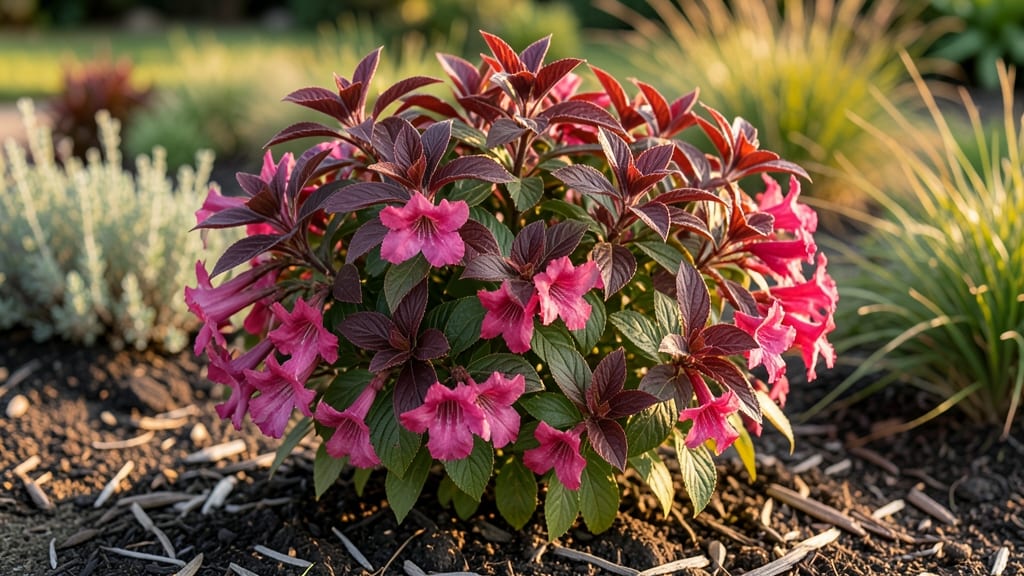
This Weigela Sonic Bloom Wine thrives where others fail—its deep purple spikes rebound after frost and explode with color when summer heats up. 🌿 I’ve grown it for three seasons, and its compact shape (just 3-4 feet tall) makes it perfect for small spaces, yet it punches above its weight with nonstop blooms from early summer until fall.
The secret to its resilience lies in well-draining soil and full sun—at least 6 hours daily. Mine sits in a spot where morning sun warms the stems, triggering those heat-sensitive blooms. Water deeply once a week unless it’s scorching, then let the top inch dry out.
Overwatering is the real enemy here. Prune it right after flowering to keep it tidy and encourage next year’s spikes. Snip back any leggy growth by one-third, and you’ll see fresh, vibrant new shoots within weeks. The flowers attract hummingbirds, and the glossy foliage stays lush even in drought.
Even in Zone 4, this weigela survives winters unscathed—just mulch around the base in late fall. Pests? Almost none. Diseases? Rare. It’s the low-maintenance superstar you didn’t know you needed.
📚 In This Guide
- What you need
- Instructions
- Tips and common mistakes
- Wrapping up and next steps
What you need
- ● Weigela Sonic Bloom Wine plants: 1-3 bare-root or container-grown plants (depending on desired fullness). Choose healthy specimens with sturdy stems and lush foliage.
- ● Well-draining soil: A mix of native soil, compost (20-30%), and perlite or sand (10-20%) for optimal aeration. Aim for a pH of 6.0-7.0.
- ● Organic mulch: 2-3 inches of shredded bark, pine needles, or wood chips to retain moisture and regulate soil temperature.
- ● Balanced fertilizer: A slow-release 10-10-10 or organic option (like composted manure) to kickstart growth. Apply at planting and again in early spring.
- ● Watering can or hose: With a gentle spray nozzle for post-planting hydration.
- ● Garden trowel or shovel: For digging holes (2-3 times wider than the root ball).
- ● Pruning shears: Sharp, clean shears (sterilized with rubbing alcohol) to trim dead or crossing branches after planting.
- ● Gloves: Heavy-duty gardening gloves to protect your hands from thorns and soil.
- ● Sunlight: A full-sun to part-shade location (6+ hours of sunlight daily for optimal blooms).
- ○ Frost protection (optional but helpful): Burlap or frost cloth for young plants in colder climates.
How to grow weigela 'Sonic Bloom Wine' for stunning purple rebloom
This heat-loving beauty thrives with just a few key steps—let’s unlock those dramatic purple spikes.
🌱 Step 1: Choose the Perfect Planting Site
Weigela 'Sonic Bloom Wine' craves full sun—at least 6 hours daily—to trigger its vibrant purple blooms. I always plant mine where morning sun warms the soil but afternoon shade keeps roots cool, especially in hot climates. The first true blooms appear in late spring, but the real show happens when summer heat kicks in.
Check your site’s drainage before planting. Weigela hates soggy roots, so if your soil stays damp for more than a day after rain, amend with 2-3 inches of compost mixed into the top 12 inches of soil. You’ll know you’ve got it right when water drains freely but the soil still holds moisture like a damp sponge.
☀️ Step 2: Plant at the Right Time and Depth
Spring or early fall are ideal planting windows—avoid extreme heat or frost. Dig a hole twice as wide as the root ball but only as deep as the container’s base. The top of the root ball should sit 1 inch above ground level; planting too deep suffocates the plant and delays blooming.
Gently tease out any circling roots before placing the plant in the hole. Backfill with native soil, pressing lightly to eliminate air pockets. Water deeply right after planting—this helps settle the soil and removes any gaps where roots could dry out. You’ll see fresh growth within 3-4 weeks if conditions are right.
💧 Step 3: Water Deeply but Infrequently
Weigela ‘Sonic Bloom Wine’ is drought-tolerant once established, but young plants need consistent moisture. Water 1-2 times weekly during the first growing season, aiming for 1 inch of water per week. Let the top 2 inches of soil dry out between waterings—this encourages deep root growth and prevents weak stems.
Mulch around the base with 2-3 inches of organic mulch (like shredded bark) to retain moisture and regulate soil temperature. Keep mulch 3 inches away from the trunk to avoid rot. You’ll notice fewer wilting leaves and stronger blooms when roots stay cool and hydrated.
✂️ Step 4: Prune for Health and More Blooms
Prune right after the first flush of blooms in spring to encourage the heat-triggered rebloom. Cut back any dead or crossing branches with clean, sharp shears. I also remove up to ⅓ of the oldest wood to rejuvenate the plant—this keeps energy flowing to new growth instead of aging stems.
Skip heavy pruning in late summer; you want to preserve next year’s flower buds. A light trim to shape the plant after the second bloom cycle is enough. You’ll see thicker, bushier growth and even more purple spikes if you prune at the right time.
⏰ Step 5: Protect from Frost and Winter Stress
This variety’s claim to fame is reblooming after frost, but young plants still need winter care. In colder zones, apply a 3-inch layer of mulch around the base before the first frost. This insulates roots and prevents heaving when soil freezes and thaws.
If your winters drop below 10°F, wrap the plant in burlap or use a frost cloth for the harshest months. Even with protection, you’ll see some dieback—but the plant rebounds fiercely in spring, often with even more dramatic blooms than the year before.
Tips & tricks for perfect weigela 'Sonic Bloom Wine' growth
These key insights will help you coax out those showstopping purple blooms year after year.
Sunlight Strategy: While the 6 hours of daily sun is essential, I’ve found that positioning your weigela to catch the warmest morning sunlight—especially in cooler climates—can trigger earlier blooming. The morning sun warms the soil and kickstarts the plant’s metabolism for the day. In hotter regions, that afternoon shade becomes even more critical to prevent leaf scorch while still maintaining enough light for photosynthesis.
Soil Science: The 2-3 inches of compost mixed into the top 12 inches of soil isn’t just about drainage—it’s about creating the perfect microbial ecosystem. Weigela roots thrive when surrounded by beneficial fungi and bacteria that help break down nutrients. I like to add a handful of worm castings to the planting hole for an extra boost of microbial activity. This soil preparation pays dividends in stronger root systems and more vigorous blooms.
Pruning Precision: When removing up to ⅓ of the oldest wood in Step 4, focus on branches that are thicker than a pencil—they’re often the culprits behind weak growth and fewer blooms. Make your cuts just above an outward-facing bud to encourage new growth in that direction. I’ve seen plants that looked nearly dead after winter pruning come back with twice as many blooms by following this targeted approach.
Winter Resilience: The 10°F threshold isn’t just about protecting the plant—it’s about protecting the flower buds that form during the previous summer. Those buds are incredibly sensitive to cold snaps. I’ve found that wrapping the plant in burlap and adding extra mulch creates a microclimate that can protect buds down to 5°F, giving you those stunning reblooms even in colder zones.
Pro Tips for Weigela Sonic Bloom Wine
- These key insights will help you coax out those showstopping purple blooms year after year.
- Sunlight Strategy: While the 6 hours of daily sun is essential, I’ve found that positioning your weigela to catch the warmest morning sunlight—especially in cooler climates—can trigger earlier blooming.
- Soil Science: The 2-3 inches of compost mixed into the top 12 inches of soil isn’t just about drainage—it’s about creating the perfect microbial ecosystem.
Frequently asked questions
Why does 'Sonic Bloom Wine' change color with heat?
'Sonic Bloom Wine' reacts to temperature shifts—its deep purple spikes turn nearly black in heat (above 75°F) and revert to vibrant magenta as temps drop. This heat-triggered transformation is a natural stress response, not a problem! Pro tip: The more dramatic the color shift, the healthier your plant is adapting to its environment.
Will my Weigela die if it freezes? (It’s supposed to rebound after frost!)
Not at all! This cultivar is hardy to USDA Zone 4 and thrives on cold snaps. After frost, it’ll rebound with fresh growth and blooms—sometimes even more vigorously. Just avoid pruning until late winter/early spring to protect dormant buds. Warning: Heavy ice damage (rare) may require trimming dead stems, but the roots stay resilient.
How fast does 'Sonic Bloom Wine' grow, and when will it flower?
Expect 12–24 inches per year in ideal conditions (full sun, well-drained soil). First blooms appear 2–3 years after planting, but younger plants may surprise you with sporadic spikes. Bloom time: Late spring to early summer, with reblooming possible if you deadhead spent flowers. Speed hack: Fertilize lightly in early spring to encourage faster growth.
Can I prune 'Sonic Bloom Wine' to control its size or shape?
Yes! Prune right after flowering (late spring/early summer) to shape it or limit height. Cut back 1/3 of old stems to the ground to promote bushier growth and more blooms. Avoid heavy pruning in fall/winter—it removes next year’s flower buds! Shape tip: Use hand pruners for clean cuts, and wear gloves—those thorns pack a punch!
What if my Weigela’s leaves turn yellow or drop?
Yellowing leaves often signal overwatering, poor drainage, or nutrient deficiency. Check soil moisture (it should be damp but not soggy) and amend heavy clay with compost. Dropping leaves? It might be adjusting to transplant shock or heat stress. Fix it: Water deeply 1–2x/week (less in winter) and mulch to retain moisture. Red flag: If leaves curl and drop, check for spider mites (treat with neem oil if needed).
Are there similar Weigela varieties for smaller spaces?
If 'Sonic Bloom Wine' is too large (up to 6’ tall/wide), try these compact picks:
- 'Wine & Roses' (3–4’ tall) – Dark foliage + pink blooms.
- 'Midnight Wine' (4–5’ tall) – Deep purple leaves + red flowers.
- 'Alexandra' (3–4’ tall) – Fragrant white blooms, cold-hardy.
Wrapping up and next steps
The Weigela 'Sonic Bloom Wine' is a stunning, low-maintenance shrub that rewards gardeners with vibrant purple blooms and resilience—even after frost! 🌸 Its heat-triggered spikes and adaptability make it a standout choice for adding color and texture to any landscape.
Whether you're a seasoned gardener or just starting, this plant proves that beauty and durability go hand in hand.
Ready to transform your garden? Start by selecting a sunny spot, gathering your supplies, and following the steps above. With a little care, you’ll soon enjoy the breathtaking rebloom of this frost-hardy favorite!