
Blooming
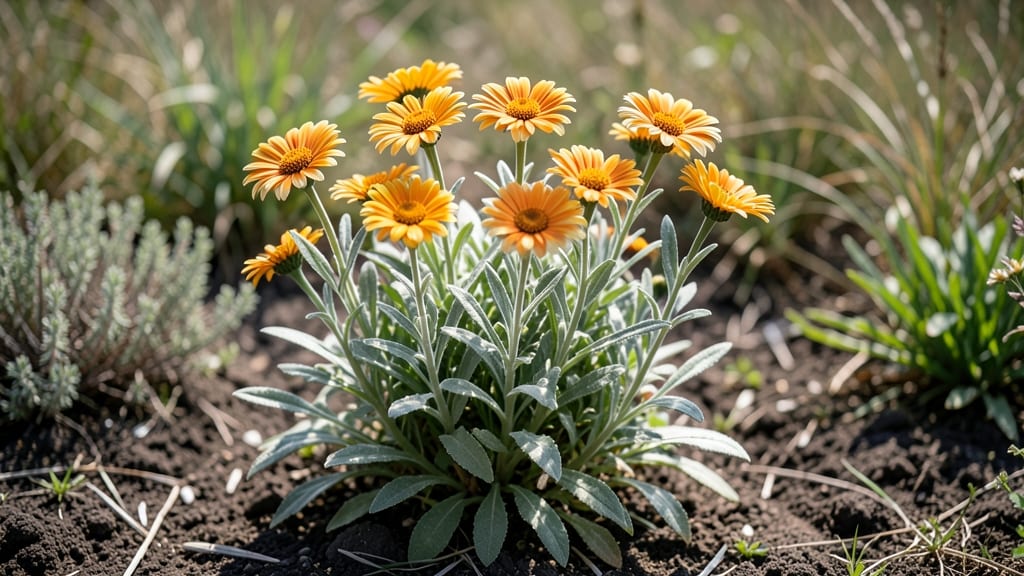
Calendula blooms typically appear 6 to 10 weeks after planting, but the exact timing depends on your zone and planting strategy.
Want vibrant calendula blooms in your garden but unsure when to expect those cheerful yellow and orange flowers? The answer depends entirely on your USDA hardiness zone—and getting it right means planning your planting schedule like a pro.
In cooler zones like 6a, where I garden, calendula seeds sown in early spring (March–May) usually burst into 🌼 blooms by June. But in warmer climates, a fall planting can extend your harvest into October, giving you two chances to enjoy them.
Below, I’ll break down the exact weeks to expect flowers in your zone, plus simple tricks to make your calendula keep blooming all season long—no green thumb required.
Calendula bloom time by USDA planting zones: exact weeks to flower
Calendula is one of those easy-to-grow flowers that rewards patience with vibrant blooms in shades of yellow and orange. But when exactly can you expect those cheerful faces to pop up? The answer varies dramatically by USDA zone, planting method, and whether you're growing annual or perennial varieties.
Let’s break down the exact weeks to bloom so you can plan your garden like a pro.
Most gardeners plant calendula in spring after frost, but some regions benefit from fall planting for early blooms. Annual calendula typically flowers 6-12 weeks after sowing, while perennials may take slightly longer—especially in cooler zones.
Direct-sown seeds often bloom 2-4 weeks faster than transplanted seedlings because they establish roots earlier in the season.
| USDA Zone | Planting Method | Spring Bloom Time | Fall Bloom Time | Notes |
|---|---|---|---|---|
| Zones 3-4 | Direct-sown | 10-12 weeks | 8-10 weeks (fall) | Start indoors 6-8 weeks before last frost |
| Zones 5-6 | Direct-sown | 8-10 weeks | 6-8 weeks (fall) | Transplants bloom 2 weeks earlier |
| Zones 7-8 | Direct-sown | 6-8 weeks | 5-7 weeks (fall) | Perennials may rebloom next year |
| Zones 9-10 | Direct-sown | 5-7 weeks | 4-6 weeks (fall) | Year-round blooms possible with succession planting |
| Zone 11 | Direct-sown | 4-6 weeks | 3-5 weeks (fall) | Plant every 2-3 weeks for continuous blooms |
In cooler zones (3-6), calendula planted in late spring may not bloom until mid-to-late summer. For example, if you sow seeds in May in Zone 4, expect flowers by July or August.
But if you start seeds indoors in March and transplant after frost, you could see blooms as early as June.
Warmer zones (7-11) offer a shorter timeline. In Zone 8, direct-sown calendula often blooms by late June if planted in April. Meanwhile, Zone 11 gardeners can enjoy blooms just 4-6 weeks after sowing year-round with proper care.
The key is consistent moisture and full sun exposure.
Fall planting is a game-changer for extended bloom seasons. In Zones 5-8, sowing seeds in late summer (August-September) can produce blooms by October or November, just before frost. This method is especially useful for perennial varieties, which may return even earlier the following spring.
One common misconception is that transplanted seedlings bloom faster than direct-sown seeds. While this is true in warmer zones, in cooler climates, direct-sown seeds often outperform transplants because they establish deeper roots before the heat sets in.
For Zone 3-4 gardeners, I recommend sowing seeds directly in the garden after the last frost for best results.
To maximize your calendula’s bloom potential, pair these timelines with proper deadheading. Removing spent blooms encourages continuous flowering throughout the season.
How to extend calendula bloom time with simple gardening hacks
Calendula's cheerful blooms can last all season with the right care, but many gardeners miss the mark on prolonging flowering. The key lies in understanding plant biology and simple maintenance techniques that encourage continuous blooming.
Unlike some flowers that fade quickly, calendula responds beautifully to regular deadheading and optimal growing conditions—giving you vibrant blooms from early summer through fall.
I've found that combining seasonal succession planting with proper soil management can extend your calendula's bloom time by 4-6 weeks compared to standard care. The best part? These techniques require minimal effort but yield maximum results.
Whether you're a beginner or seasoned gardener, these practical hacks will transform your calendula patch into a non-stop floral display.
Snip off spent blooms every 3-5 days to prevent seed formation. This redirects energy to new flowers. Use clean pruning shears and cut just above the next set of leaves.
Pair calendula with basil, nasturtiums, or dill. These companions deter pests like aphids and whiteflies, reducing stress on your calendula. Avoid planting near tomatoes or fennel which compete for nutrients.
Test your soil—calendula thrives in slightly acidic to neutral pH (6.0-7.0). Add lime for acidic soil or sulfur for alkaline. A pH of 6.5 maximizes nutrient uptake, leading to longer bloom periods.
Sow new seeds every 21 days from early summer to mid-fall. This creates overlapping bloom cycles. Use well-draining soil and keep seedlings moist until established.
Use a balanced 5-10-10 fertilizer every 4-6 weeks during growing season. Avoid over-fertilizing with nitrogen—it promotes foliage over flowers. Water deeply after fertilizing to prevent root burn.
One of my favorite seasonal tricks is to plant calendula in partial shade during peak summer in hot climates (zones 8-11). The reduced heat stress keeps plants healthier and extends blooming into early autumn.
In cooler zones (3-7), focus on spring fertilization and fall mulching to protect roots during temperature swings.
Don't overlook the power of watering habits. Calendula needs consistent moisture but hates soggy roots. Water deeply in the morning only to prevent fungal diseases like powdery mildew, which can stunt blooms. A 2-inch layer of mulch helps retain moisture while keeping roots cool—critical for prolonged flowering.
With these techniques, my calendula beds have bloomed continuously from June through October in zone 6a. The secret isn't just one method but combining them—like deadheading with succession planting—to create an uninterrupted floral display. Try one or two this season and watch your calendula shine longer than ever before!