
Blooming
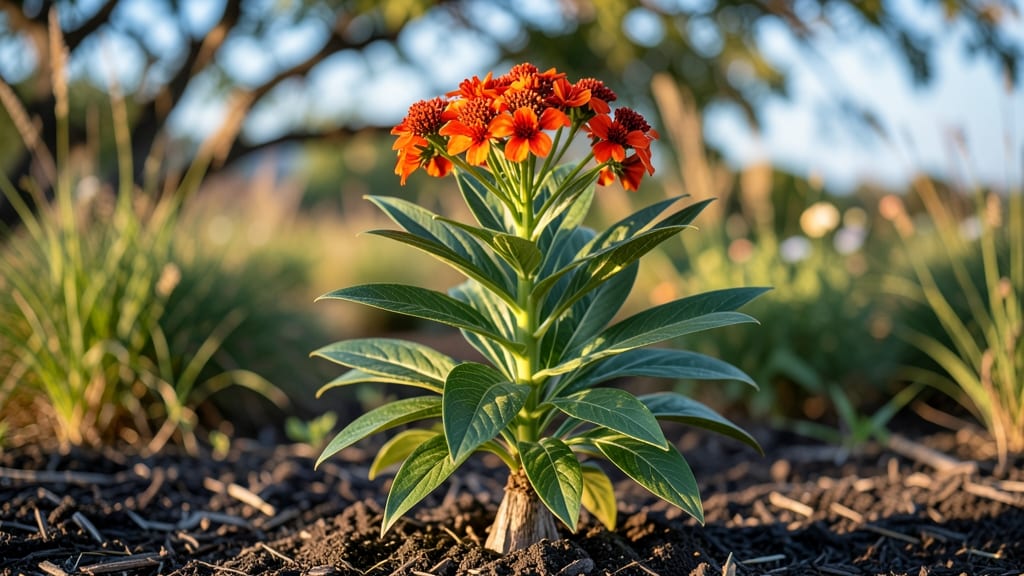
The butterfly weed bloom time transforms your garden into a monarch magnet with its fiery orange clusters in late spring to early summer 🦋.
Imagine your garden bursting with fiery orange blooms that attract monarch butterflies by the dozen—knowing exactly when butterfly weed (Asclepias tuberosa) will bloom ensures you never miss this stunning spectacle.
In USDA Zone 6a and warmer, blooms typically appear in May or June, but cooler climates may push timing back until July. The good news? With the right care, you can coax extra weeks of color from these drought-loving perennials.
Below, I’ll break down bloom timing by zone, share pro tips to extend the show, and reveal the simple tricks that make butterfly weed bloom earlier and longer—no green thumb required.
Butterfly weed bloom time by US hardiness zones: exact months to plan around
Timing your garden's butterfly weed (Asclepias tuberosa) blooms is key to creating a pollinator paradise. This native beauty thrives in zones 3-10, but its orange flower spikes appear at different times depending on your region.
Understanding these patterns helps you plan companion plants and extend the bloom season from early summer to early fall.
In northern zones (3-6), butterfly weed typically blooms 4-6 weeks later than in southern regions. This delay occurs because cooler spring temperatures slow early growth. Meanwhile, southern zones (7-10) often see blooms starting as early as late March, creating a 3-month window between northern and southern gardens.
Here's a detailed breakdown of bloom timing by zone, including regional variations that affect your planting schedule:
Notice how Zone 9-10 gardens get a 2-month head start compared to Zone 3-4. This timing difference lets you sequence plantings for continuous color. For example, pair early-blooming Zone 9 butterfly weed with late-summer milkweed varieties to keep pollinators fed all season.
Climate plays a bigger role than zone alone. In arid Southwest zones (7-9), butterfly weed often blooms 2 weeks earlier due to hotter springs.
Meanwhile, humid Southeast zones (8-9) may see delayed blooms if fungal pressure slows early growth. Always monitor your specific microclimate for the most accurate timing.
To advance bloom time in cooler zones, plant butterfly weed in south-facing beds with well-draining soil. Add a 1-inch layer of compost in early spring to provide nutrients without overfeeding. In Zone 3-5 gardens, consider container growing near heat-retaining walls to extend the growing season by 2-3 weeks.
Understanding these patterns helps you time deadheading and pruning for maximum impact. For instance, in Zone 7-8, remove spent blooms in early July to encourage a second flush of flowers by late August. In northern zones, wait until mid-July to avoid cutting back new growth.
Pro tip: Plant butterfly weed near neighborhood gardens in Zone 5-6 to create a pollinator highway. The staggered bloom times between regions ensure monarchs have continuous nectar sources during their migration. This community effort can double your garden's impact on local ecosystems.
Remember, these are general guidelines. Your specific microclimate, soil type, and watering practices can shift bloom times by 1-2 weeks. Keep a garden journal to track your plants' unique patterns over 3 growing seasons
With this zone-specific timing, you'll never miss butterfly weed's vibrant orange spectacle—just in time to welcome monarch butterflies to your garden! 🦋
How to extend butterfly weed bloom time: pruning, deadheading, and seasonal care tips
Butterfly weed (Asclepias tuberosa) typically blooms for 4-6 weeks in late spring to early summer, but with the right care, you can stretch that vibrant orange display into 8 weeks or more.
The key lies in understanding when and how to prune, deadhead, and support your plants through seasonal changes. Many gardeners miss the mark by over-pruning or neglecting water needs, which can shorten the bloom time. Let’s explore the proven techniques to keep your butterfly weed in full, glorious bloom.
First, timing is everything. Pruning too early can remove flower buds before they open, while waiting too long reduces the plant’s energy for next year’s blooms. Deadheading spent blooms is another game-changer—it signals the plant to redirect energy into producing more flowers instead of seeds.
Combine these with smart watering and fertilizing schedules, and you’ll transform your butterfly weed from a fleeting spring highlight into a summer-long pollinator magnet.
- 1 Deadhead regularly after blooms fade to prevent seed formation. Use clean, sharp pruners to snip spent flowers at the base.
- 2 Prune lightly in early fall (after blooming) to remove up to 1/3 of the plant’s height. This encourages bushier growth for next season’s blooms.
- 3 Water deeply once weekly during bloom season (May-July). Avoid overhead watering to prevent fungal diseases like powdery mildew.
- 4 Fertilize lightly in spring with a balanced 5-10-10 fertilizer. Skip fertilizing during bloom time to avoid leafy growth over flowers.
- 5 Mulch annually in late winter with 2-3 inches of organic mulch to retain moisture and regulate soil temperature.
One common mistake gardeners make is over-pruning butterfly weed in the wrong season. If you cut back too aggressively in late summer or fall, you’ll remove next year’s flower buds before they form.
Instead, focus on light pruning in early fall to shape the plant and remove any dead or diseased stems. This approach ensures your butterfly weed remains healthy and ready to burst into bloom the following spring.
Watering plays a crucial role in extending bloom time, especially during drought conditions. While butterfly weed is drought-tolerant once established, consistent moisture during the first year of growth and throughout the bloom season encourages stronger, longer-lasting flowers.
Water deeply in the morning to allow foliage to dry quickly, reducing the risk of fungal infections that can weaken the plant and shorten its bloom period.
For maximum impact, pair your care routine with seasonal adjustments. In spring, focus on light fertilization to support root growth. During summer, prioritize deadheading and consistent watering. As fall approaches, taper back on watering but continue to monitor for pests or diseases.
With these steps, your butterfly weed won’t just bloom—it will thrive and keep your garden alive with color for weeks longer than average.
Remember, butterfly weed is a low-maintenance plant, but a little attention goes a long way. By following these tips, you’ll not only extend the bloom time but also create a pollinator paradise that monarchs and other beneficial insects will flock to all season long. Happy gardening!