
Blooming
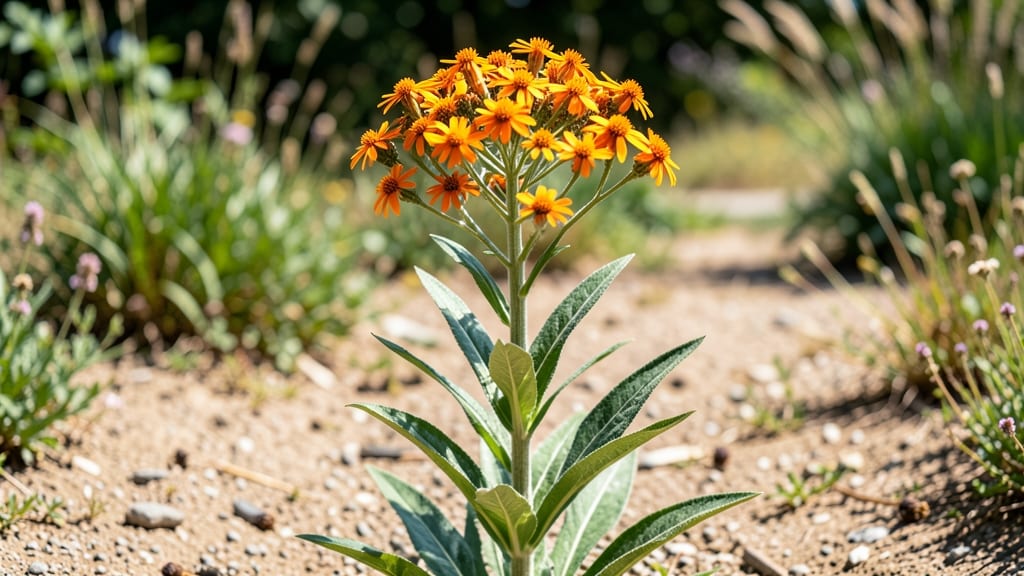
The Asclepias tuberosa bloom time typically unfolds in mid-to-late summer, painting your garden with bright orange clusters that butterflies can't resist 🦋.
If you’ve planted Asclepias tuberosa (butterfly weed) hoping for vibrant orange blooms, you may be wondering: When will it finally flower? The answer depends on sunlight exposure, your hardiness zone, and a few other key factors—all of which we’ll break down to help you predict (and even accelerate) your plant’s bloom time.
In Zone 6a, where this plant thrives, blooms usually appear between July and August, though cooler regions may see them slightly later. The key? Full sun exposure—at least 6 hours daily—triggers those stunning flowers, while partial shade can delay or reduce blooming.
Here’s what you’ll learn: how to read your plant’s signals, adjust care for earlier blooms, and pair it with companion plants that extend the season. Let’s get your butterfly weed shining brighter and longer!
Asclepias tuberosa bloom time by USDA hardiness Zones: what to expect
If you planted Asclepias tuberosa (butterfly weed) this spring, you’re likely eager to see those signature orange blooms that attract monarch butterflies. The truth is, bloom timing varies dramatically by USDA hardiness zone—from Zone 3 to Zone 10.
In colder zones, expect a delayed but longer bloom season, while warmer zones may see earlier but shorter flowering periods. Let’s break down what to expect each year, from seedling stage to peak bloom.
First-year plants often skip flowering entirely to focus on root development. However, mature plants (2+ years old) typically bloom between mid-June and August, with variations based on your climate.
For example, Zone 5 gardeners might see blooms as early as late June, while Zone 9 plants could start flowering by May and continue into September. The key factors? Sunlight intensity, soil temperature, and winter chill hours.
| USDA Zone | First-Year Plants | Mature Plants (2+ Years) | Peak Bloom Month | Duration |
|---|---|---|---|---|
| Zones 3-4 | No blooms | Late June - July | July | 4-6 weeks |
| Zones 5-6 | No blooms | Mid-June - August | July | 6-8 weeks |
| Zones 7-8 | Possible sparse blooms | May - September | June-July | 8-10 weeks |
| Zones 9-10 | Possible sparse blooms | April - October | May-June | 10-12 weeks |
In Zones 3-4, where winters are harsh, Asclepias tuberosa often waits until soil temperatures reach 60°F+ before flowering. This usually means late June or July blooms, lasting about 4-6 weeks.
Meanwhile, Zones 9-10 enjoy a longer bloom window—sometimes 10-12 weeks—because milder winters and longer growing seasons allow for earlier and later blooms. For example, in Zone 10, you might see flowers as early as April and as late as October.
Climate plays a huge role in bloom duration. In drier zones (e.g., Zone 7b), plants may produce fewer but brighter blooms due to water stress, while humid zones (e.g., Zone 8a) often see prolonged flowering because consistent moisture supports steady growth.
If you’re in a transition zone (e.g., Zone 6b), pay attention to first frost dates—early frosts can cut blooms short, while late frosts may extend the season.
For first-year plants, blooming is rare but not impossible. If your seedling gets full sun and well-draining soil, you might spot a single flower cluster by late summer, especially in Zones 7-10.
However, most energy goes toward root establishment, so focus on soil health and watering consistency to set up next year’s abundant blooms. I’ve seen 2-year-old plants explode with 50+ flowers in a single season when given the right conditions!
One common misconception is that Asclepias tuberosa blooms only once per year. In reality, mature plants in warm zones can produce secondary blooms if deadheaded regularly. Simply snip spent flower heads in late summer to encourage reblooming before frost.
This trick works best in Zones 8-10, where the growing season extends into fall. In colder zones, focus on protecting roots with mulch to ensure next year’s blooms.
If you’re impatient for flowers, transplanting mature plants (rather than starting from seed) can accelerate
How sunlight exposure accelerates (or delays) butterfly weed blooms
Sunlight isn’t just fuel for Asclepias tuberosa—it’s the master switch for its bloom timing. This native wildflower thrives in full sun conditions (6+ hours daily), where it produces its signature orange clusters 2-3 weeks earlier than shade-grown plants.
Without enough light, your butterfly weed may delay blooming until late summer or even skip flowering entirely in its first year.
In my Zone 6a garden, plants in full sun bloom in mid-June, while those in partial shade (3-4 hours of sun) often wait until early August.
The difference comes down to photosynthesis efficiency—more light means more energy stored in roots, which directly translates to earlier and more abundant blooms.
Butterfly weed responds to seasonal sunlight shifts too. In northern climates, plants often bloom later because shorter days delay their photoperiodic response. However, if you’re in Zones 8-10, your plant may start flowering as early as May if given full sun—thanks to longer daylight hours.
The key is consistency: 6+ hours of direct light daily keeps the plant’s internal clock synchronized for optimal bloom timing.
If your garden lacks full sun, don’t despair. You can still maximize blooms by relocating pots to sunnier spots during peak hours (10 AM–2 PM) or pairing butterfly weed with taller sun-loving companions like coneflowers or black-eyed Susans.
These plants create a microclimate that reflects more light onto your butterfly weed’s foliage, giving it a sunlight boost.
For container growers, place pots on south-facing patios or use reflective surfaces like light-colored mulch or gravel to bounce extra light onto the plant. Even a 1-2 hour extension of direct sunlight can shave 1-2 weeks off bloom time.
Just avoid placing containers in reflective glass (like windows), which can overheat roots and stress the plant.
Remember: Less sunlight = slower growth, which directly impacts bloom production. If your butterfly weed is leggy or sparse, it’s likely light-starved. Move it to a sunnier spot immediately—your plant will reward you with earlier, more abundant blooms by next season. 🌻