
Blooming
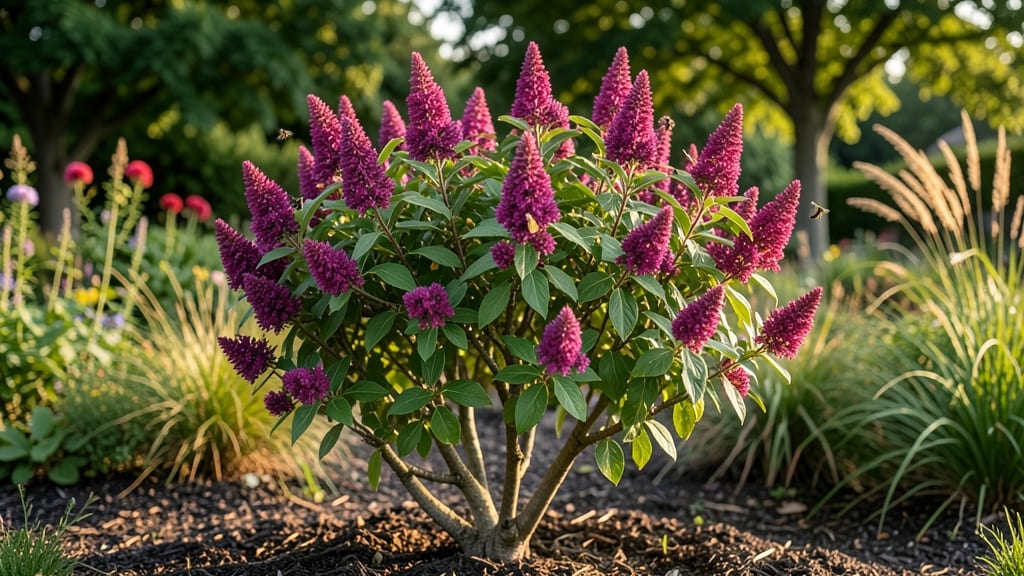
The butterfly bush blooms in late spring to early summer 🦋, with peak color lasting from June through August if you time your pruning just right.
Wondering why your butterfly bush isn’t bursting with color when it should? Timing your pruning to match its natural bloom cycle is the secret to vibrant summer blooms—and we’re revealing the exact months you need to act.
Most varieties, like the popular 'Purple Smoke' or 'Lavender Lace,' need a late winter or early spring pruning to encourage strong blooms, but some late-season types like 'Moonlight' bloom later into fall. The key is knowing when to cut back and how much to remove.
In this guide, you’ll learn the month-by-month pruning schedule for your zone, how sunlight and fertilizer affect bloom time, and three simple tricks to extend those show-stopping flowers for weeks longer.
Butterfly bush bloom time by variety: when to expect peak color
If you’ve ever waited eagerly for your butterfly bush to bloom only to be disappointed, you’re not alone. These stunning shrubs thrive on precise timing—especially when it comes to variety-specific bloom cycles.
Some varieties burst into color as early as late May, while others hold off until mid-August, depending on your USDA zone and pruning habits. Understanding these patterns ensures you’ll have continuous blooms from early summer through fall.
Most butterfly bushes (Buddleia spp.) are summer bloomers, but their exact timing varies. Early bloomers like 'Purple Smoke' kick off the season, while late-season varieties like 'Moonlight' extend color until frost.
Even within the same variety, a zone 5 garden might see blooms 2-3 weeks later than a zone 9 landscape. Let’s break down the bloom windows for your favorite varieties and how to adjust for your climate.
💡 Pro Tip: Butterfly bushes bloom on new wood, meaning pruning in late winter or early spring encourages earlier, more abundant flowers. Skip heavy pruning in fall if you want a second flush of blooms!
| Variety | Peak Bloom Time (USDA Zones 5-9) | Bloom Duration | Color Notes | Zone Adjustments |
|---|---|---|---|---|
| 'Purple Smoke' | Late May - Early June | 6-8 weeks | Deep purple spikes | Zone 5: 1-2 weeks later; Zone 9: 1 week earlier |
| 'Lavender Lace' | Early June - Mid-July | 7-9 weeks | Soft lavender plumes | Zone 5: 2 weeks later; Zone 9: 2 weeks earlier |
| 'Moonlight' | Mid-July - Late August | 8-10 weeks | Creamy white flowers | Zone 5: 3 weeks later; Zone 9: 1 week earlier |
| 'Pink Delight' | Early June - Mid-August | 10-12 weeks | Soft pink clusters | Zone 5: 2 weeks later; Zone 9: 1 week earlier |
| 'Lo & Behold® Purple Haze' | Late June - Early September | 9-11 weeks | Compact purple blooms | Zone 5: 3 weeks later; Zone 9: 2 weeks earlier |
For USDA zones 5-7, expect blooms to start 2-3 weeks later than the table suggests due to cooler springs. In zones 8-9, your butterfly bush may begin flowering 1-2 weeks earlier and continue longer into fall.
For example, my 'Moonlight' variety in zone 8 often blooms until mid-October, while the same plant in zone 6 typically fades by late September.
If your butterfly bush isn’t blooming on schedule, check these three common culprits:
- Over-pruning (cutting back too late in the season)
- Poor sunlight (less than 6 hours of sun daily)
- Nutrient deficiency (lack of phosphorus-rich fertilizer in early spring)
Fix these issues, and you’ll see a dramatic improvement in bloom timing and abundance.
Did you know? Some butterfly bush varieties, like 'Lavender Lace', produce secondary blooms in fall if you deadhead spent flowers regularly. This simple task can extend your peak color season by 3-4 weeks—perfect for late-summer garden parties!
Just pinch off faded blooms every 2-3 weeks during the growing season.
For container-grown butterfly bushes, bloom times may shift slightly due to root competition and water stress. If your potted plant isn’t performing, try upgrading to a larger container (at least 15-gallon size) and using a well-draining potting mix with added compost.
My 'Pink Delight' in a 5-gallon pot bloomed 4 weeks later than its in-ground counterpart last summer.
To maximize bloom time, align your pruning schedule with your variety’s natural cycle.
For example: - Early bloomers (like 'Purple Smoke') should be pruned in late February - Late bloomers (like 'Moonlight') benefit from pruning in March This timing ensures you’re encouraging new growth just as the plant prepares to flower.
🦋 Ready to transform your garden into a butterfly magnet? Start by selecting varieties that bloom at different times—this creates a continuous nectar source for pollinators from June through October. Pair an <
How to prune for maximum blooms: month-by-month guide
Your butterfly bush (Buddleia) thrives on precise pruning timing—cut too early or too late, and you’ll miss the peak bloom window of June-July.
The key is understanding whether your variety blooms on old wood (last year’s growth) or new wood (current season’s growth), as this dictates when to prune for maximum color.
Most butterfly bushes bloom on new wood, meaning they produce flowers on the current year’s growth. This makes late winter or early spring pruning (just before new growth starts) ideal for triggering summer blooms.
However, some heirloom varieties like 'Lo & Behold' bloom on old wood, so prune them right after flowering to avoid cutting off next year’s blooms.
Timing matters because butterfly bushes need 6-8 weeks of warm weather after pruning to develop flower buds. Prune too late, and you’ll delay blooms until late summer or fall, missing the prime pollinator season when butterflies are most active.
⚠️ callout-warning ⚠️
⚠️ Deadly Pruning Mistake
Never prune butterfly bushes in fall or winter. Dormant pruning removes next year’s flower buds, leaving you with bare branches and no blooms. Even if your bush looks messy, wait until late winter (USDA zones 5-7) or early spring (zones 8-9) to prune.
Here’s your month-by-month pruning schedule for summer blooms:
February-March (Zones 5-7): Prune back 1/3 of the plant to 4-6 inches from the ground. Remove dead or crossing branches first, then shape the bush. This timing ensures new growth starts just as temperatures rise.
April (Zones 8-9): Prune after last frost (typically mid-April) to avoid late-season frost damage to fresh cuts. Focus on thinning out crowded areas to improve air circulation and reduce powdery mildew risk.
May-June: Skip heavy pruning—let the bush focus on flower bud development. Instead, deadhead spent blooms (remove faded flowers) to encourage reblooming and extend the bloom season into August. Use clean, sharp bypass pruners to avoid tearing stems.
July-August: Lightly trim overgrown branches to maintain shape, but avoid heavy cuts that could stimulate new growth too late in the season. This prevents fall frost damage to tender new shoots.