
Blooming
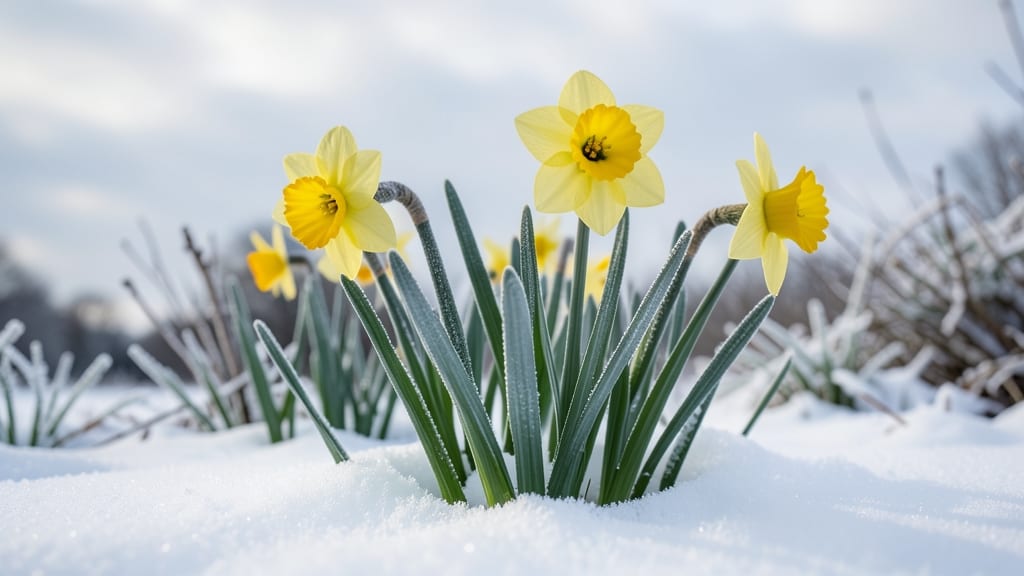
Cold winter months don’t have to mean dull gardens. These 10 hardy plants defy seasonal norms by blooming beautifully in frost and snow, offering vibrant color and life when most landscapes lie dormant. Perfect for gardeners seeking winter interest and year-round beauty.
Snowdrops: Delicate Blooms for Early Winter
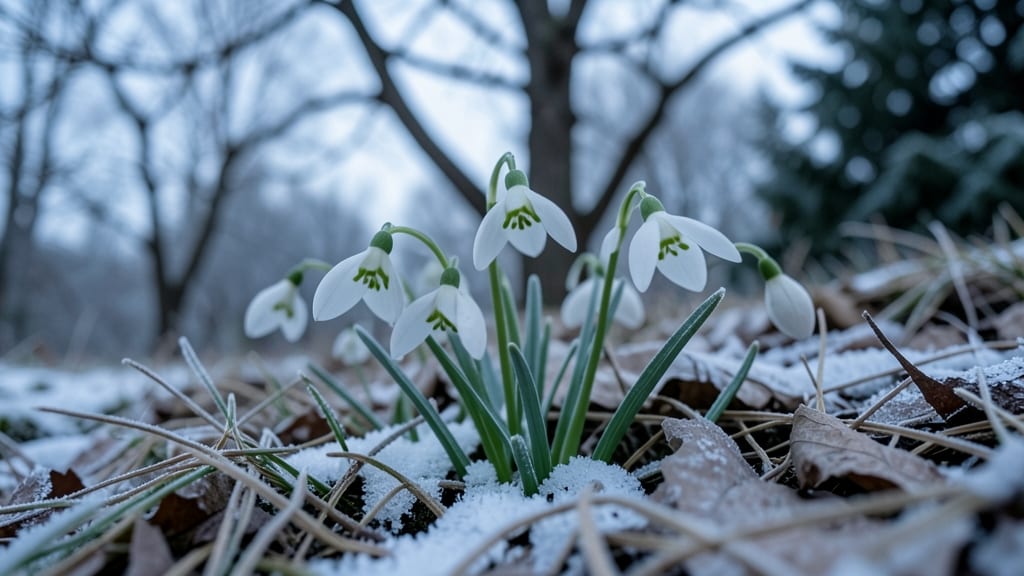
When winter’s chill still lingers and most gardens sleep, snowdrops (Galanthus) break through the frost like tiny messengers of spring. These hardy perennials thrive in USDA zones 3-9, making them one of the most reliable early bloomers for cold climates.
Plant them in partial to full shade under trees or along woodland edges, where their delicate white bells contrast beautifully with evergreen foliage. Snowdrops multiply quickly, creating naturalizing colonies over time—ideal for shady borders or understory planting. Their low-maintenance nature means they require little more than well-draining soil and occasional division every few years.
Perfect for gardeners who crave early color and symbolism, snowdrops bring hope to winter landscapes while being deer-resistant and pollinator-friendly. 🌱
Hellebores: Evergreen Perennials with Winter Flowers
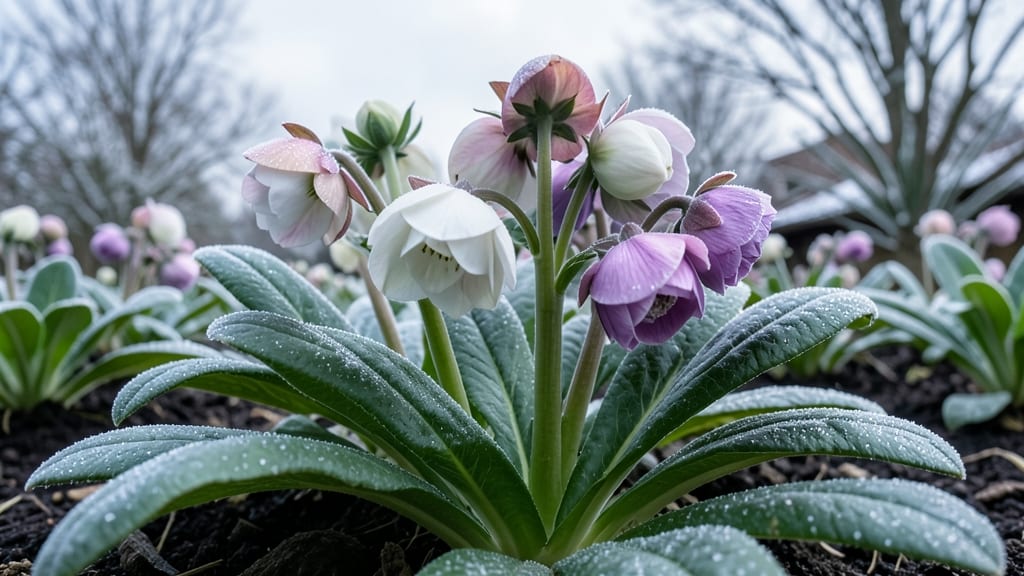
When most gardens lie dormant under frost, hellebores—also called Lenten roses—burst into color with their unique nodding blooms. These evergreen perennials thrive in winter and early spring, offering shades of white, pink, purple, and even green, while their glossy foliage adds texture year-round.
Perfect for shady borders or woodland gardens, hellebores tolerate partial shade and moist, well-drained soil. Their low-maintenance nature makes them ideal for beginners or busy gardeners, as they require minimal care once established. Plant them in clusters for a dramatic winter display that lasts for weeks.
These hardy plants bring life to winter landscapes while attracting early pollinators, making them a must-have for gardeners who love year-round interest without the fuss. 🌿
Winter Jasmine: Fragrant Climbing Beauty for Walls
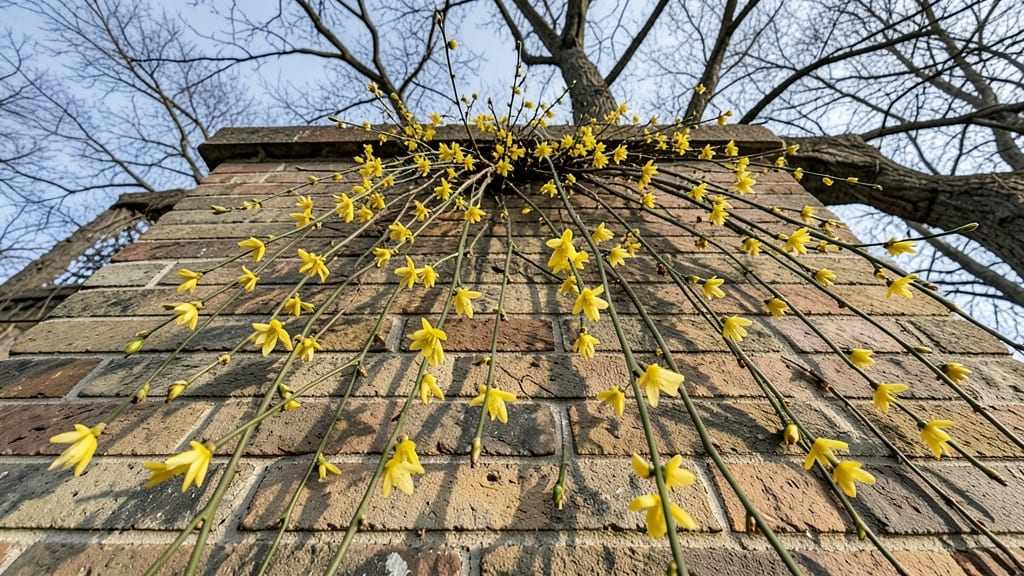
If you want to transform a dull winter wall into a vibrant vertical garden, winter jasmine (Jasminum nudiflorum) is your answer. This fast-growing climber produces cheerful golden-yellow flowers from late winter through early spring, often appearing when few other plants are blooming.
Thriving in full sun to partial shade, winter jasmine tolerates USDA zones 5-9 and handles frost once established. Train it on trellises, fences, or walls for a cascading display—its semi-evergreen foliage adds year-round structure. The fragrant blooms also attract early pollinators like bees, giving your garden a head start on spring activity.
Ideal for urban gardeners with limited space or those seeking low-maintenance vertical interest, winter jasmine requires minimal pruning and thrives even in containers. Its bright blooms lift winter spirits while requiring almost no effort. ✨
Christmas Rose: Elegant Blooms for Frosty Gardens
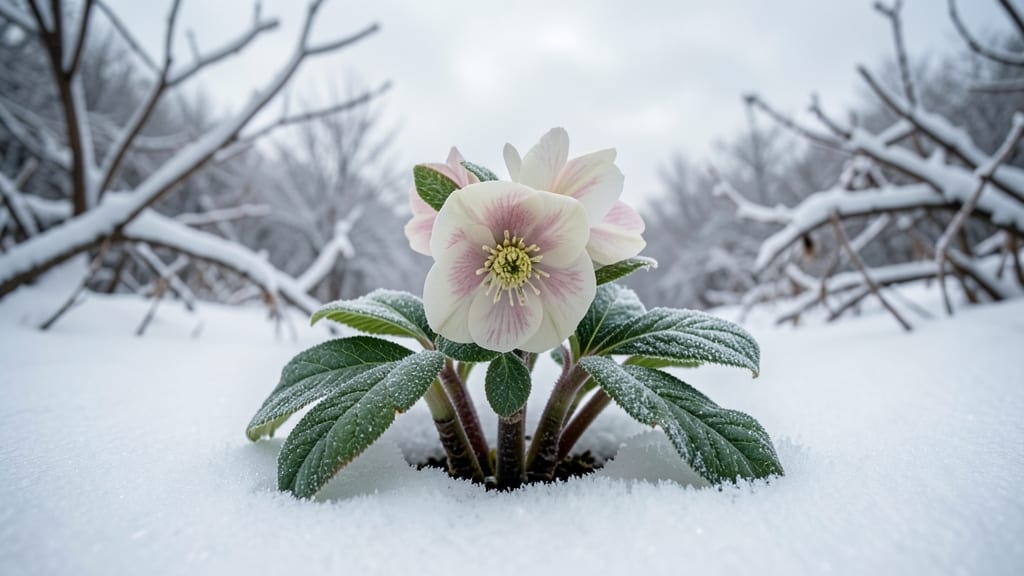
When winter’s quiet beauty transforms your garden into a monochrome landscape, the Christmas rose (Helleborus niger) emerges like a ghostly apparition—its marbled white and pink flowers standing out against snow. Unlike its spring-blooming cousins, this hardy perennial thrives in deep winter (January-February), making it a true frost-defier for cold climates (USDA zones 4-8).
The secret to their success? Shade and moisture. Plant them beneath deciduous trees where snow lingers, or in woodland gardens where their deep roots can access damp soil. Their leathery, evergreen leaves provide year-round structure, while the blooms last for weeks if deadheaded. For a dramatic effect, group them with snowdrops or heathers—their contrasting textures create a winter woodland tableau.
Perfect for gardeners who love low-maintenance elegance, Christmas roses require minimal care beyond occasional division every 3-4 years. Their fragrant blooms even attract early pollinators, making them a functional and beautiful addition to frosty landscapes. 🌷
Pansies: Colorful Annuals for Winter Beds
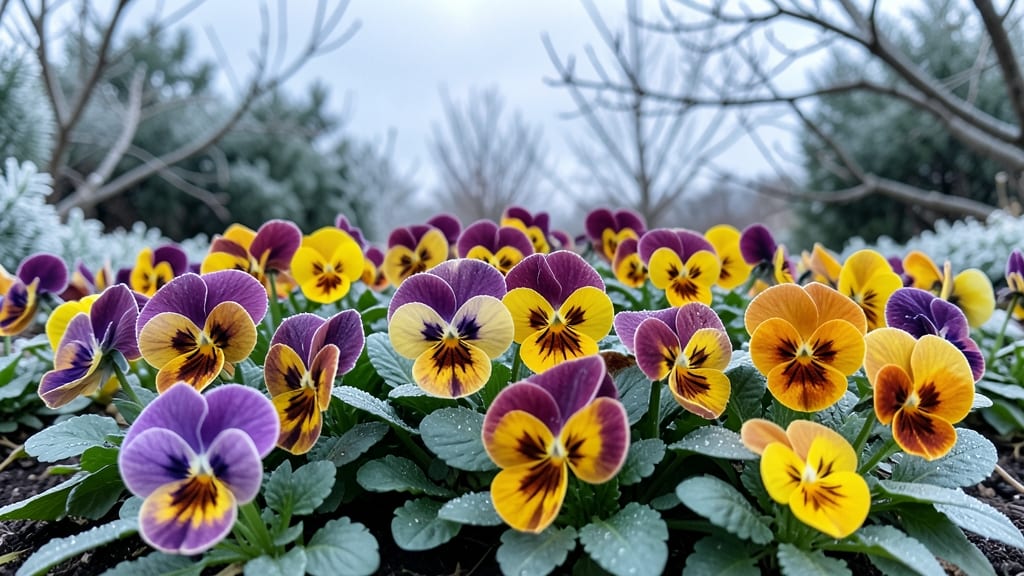
When you crave bold winter color that refuses to fade, pansies deliver a cheerful punch with their vibrant faces and intricate patterns. Unlike most annuals, these cold-hardy stars thrive in USDA zones 3-11, blooming from late fall through spring with minimal care—ideal for gardeners who want winter interest without the fuss.
Plant them in full sun to partial shade for continuous blooms, and choose varieties like 'Matrix' or 'Cool Wave' for frost resistance. Pansies self-clean (dropping old blooms automatically) and attract bees and butterflies when few other flowers are available. Their versatility shines in containers, window boxes, or massed borders, where their 3-6 inch tall plants create instant impact.
Perfect for urban gardeners or beginners, pansies require only well-draining soil and occasional deadheading. Their edible petals even make them a whimsical garnish—just avoid varieties treated with pesticides. 🌻
Mahonia: Spiky Shrubs with Winter Berries
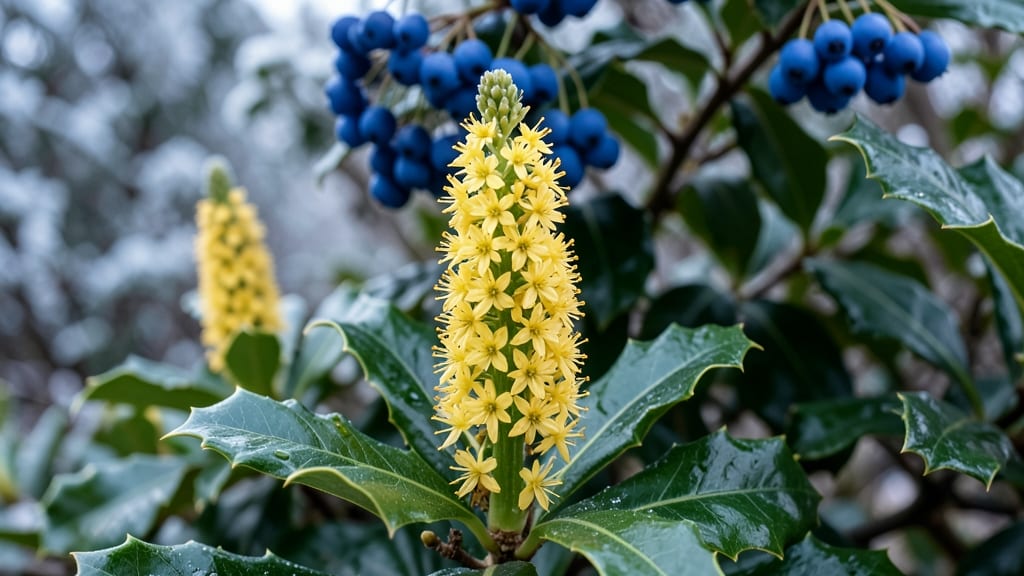
When you need a year-round garden statement that thrives in winter and summer, mahonia delivers with its holly-like evergreen leaves and dramatic late-winter yellow flower spikes. Unlike other winter bloomers, mahonia doubles down on interest by producing bright blue berries that birds adore, keeping your garden lively from December through spring.
These drought-tolerant shrubs shine in partial shade to full sun (USDA zones 5-9) and handle everything from urban pollution to woodland edges. Plant them as hedges, foundation plantings, or mixed borders—their spiky foliage adds texture while the berries feed wildlife. Prune lightly after flowering to maintain shape, but otherwise, they’re low-maintenance workhorses that reward you with four-season interest.
Perfect for gardeners who want structure, color, and wildlife support without fuss, mahonia is the ultimate multi-season shrub that turns winter into a highlight. 🌻
Winter Aconite: Golden Stars in Snowy Landscapes
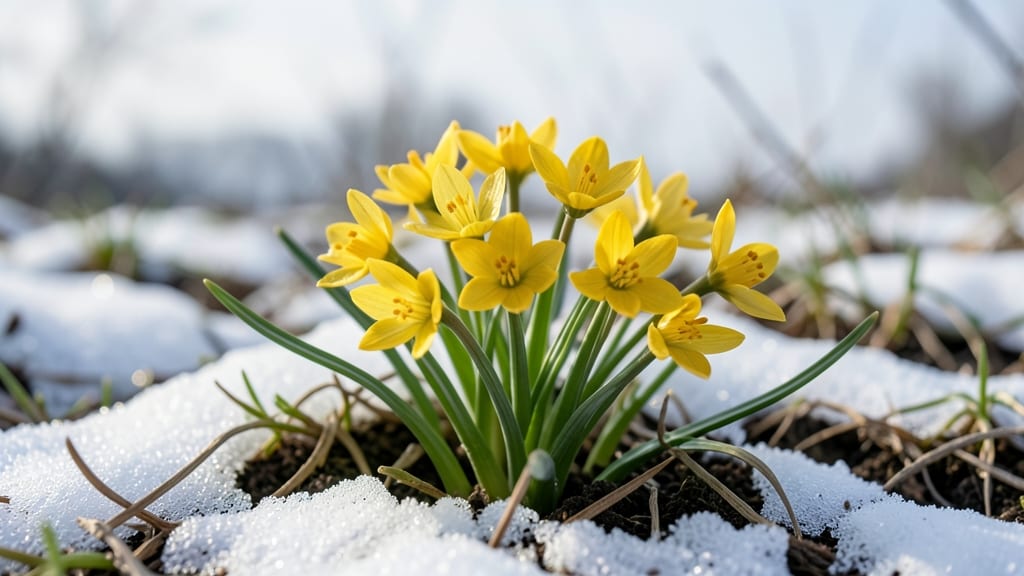
When you crave a splash of color that defies winter’s grip, winter aconite (Eranthis hyemalis) delivers with its cheerful golden-yellow star-shaped blooms that emerge even through snow. This tiny but bold perennial thrives in USDA zones 4-8, making it one of the earliest harbingers of spring in cold climates.
Perfect for rock gardens, alpine beds, or sunny borders, winter aconite spreads gently to form a bright carpet of flowers in late winter. Plant it in well-draining soil with full sun to partial shade, and watch it naturalize over time. Its low-growing habit also makes it ideal for edging paths or filling gaps in containers, where its early blooms will catch the eye before spring bulbs appear.
Gardeners with limited space or rocky terrain will love this hardy plant—it’s deer-resistant and requires minimal care once established. Just be sure to plant it early in the season for the best results. 🌻
Cyclamen: Unique Blooms for Shady Gardens
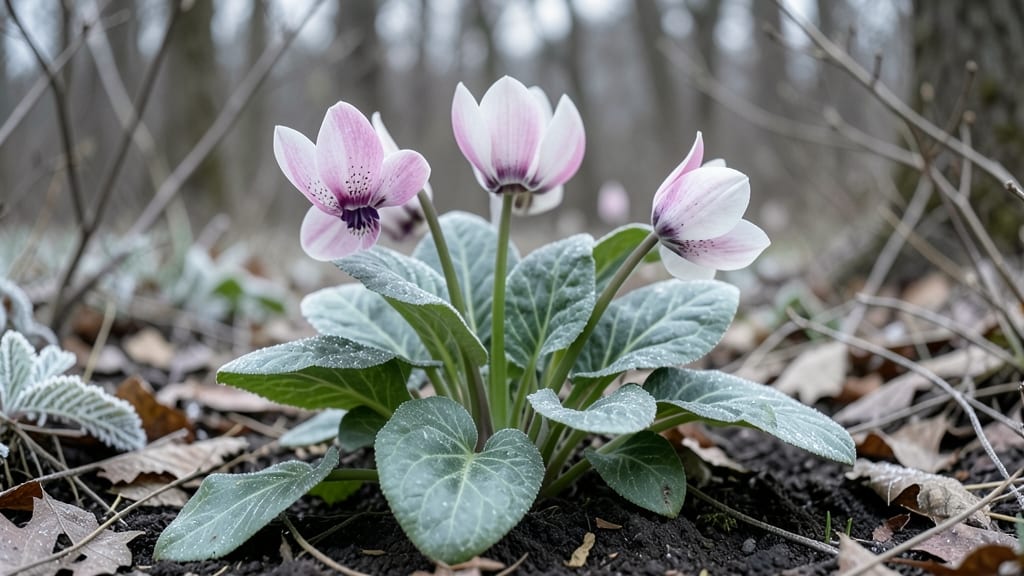
When your garden feels like a monochrome canvas under winter’s grip, cyclamen steps in with its heart-shaped silver-green leaves and delicate nodding blooms in pink or white. Unlike other winter plants that demand full sun, cyclamen thrives in shade and cooler temperatures, making it perfect for understory planting or containers on patios where sunlight is scarce.
These tender perennials (or tubers) bloom from late fall through winter, offering a unique contrast to evergreens or hellebores. Plant them in well-draining, slightly acidic soil mixed with compost, and keep them moist but never soggy. Their self-cleaning blooms (which drop as they fade) reduce maintenance, while their foliage adds textural interest even when not in bloom. For containers, pair them with ferns or ivy to create a lush, woodland-inspired display.
Ideal for gardeners with shady spots or those who love low-light houseplants, cyclamen brings winter cheer without the fuss. Their fragrant blooms even attract early pollinators, making them a functional and beautiful addition to frosty landscapes. 💚
Ornamental Kale: Edible Winter Foliage with Color
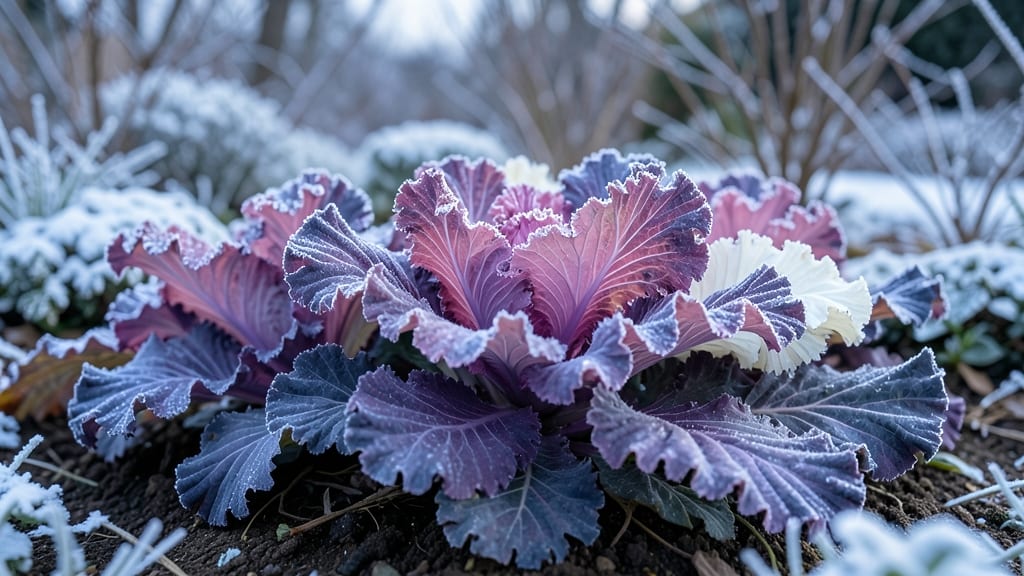
If you’ve ever wondered how to keep your garden vibrant when most plants are tucked in for the winter, ornamental kale is your secret weapon. This isn’t your average vegetable—it’s a bold, edible foliage plant that thrives in cold weather, offering purple, pink, and white ruffled leaves that rival any spring flower. Unlike traditional winter bloomers, it delivers year-round color without the need for flowers.
Grow ornamental kale in full sun to partial shade, where it handles frost like a pro (USDA zones 2-11). Plant it in containers, raised beds, or borders for instant winter drama—its textured leaves add depth to any landscape. Bonus: You can harvest and eat the leaves (younger leaves are milder), making it a dual-purpose powerhouse for gardeners who love both beauty and bounty.
Perfect for urban gardeners, container enthusiasts, or anyone tired of winter doldrums, ornamental kale is the easiest way to add bold color and edible texture to frosty gardens. Its low-maintenance nature means you can enjoy stunning foliage with almost no effort. 💚
Winter Daffodils: Early Bloomers for Sunny Spots

While most winter gardens wait for spring, winter daffodils like 'Winter Magic' defy the cold with their bright yellow blooms that push through snow as early as February. These aren't your typical spring daffodils—they're bred specifically to bloom earlier, offering a cheerful splash of color when most gardens are still dormant. Their ability to naturalize means they'll multiply over time, creating stunning drifts of yellow that brighten sunny borders or meadows.
Plant them in full sun (at least 6 hours daily) with well-draining soil, and they'll reward you with low-maintenance reliability. Unlike shade-loving winter bloomers, these thrive where few other plants dare to grow—making them perfect for sunny slopes, rock gardens, or containers. Their deer-resistant nature adds another bonus for gardeners dealing with wildlife pressure.
Ideal for gardeners who want early season color without the fuss, winter daffodils are the perfect bridge between winter and spring. They're especially great for urban gardens or small spaces where you want maximum impact with minimal care. 🌻