
Blooming
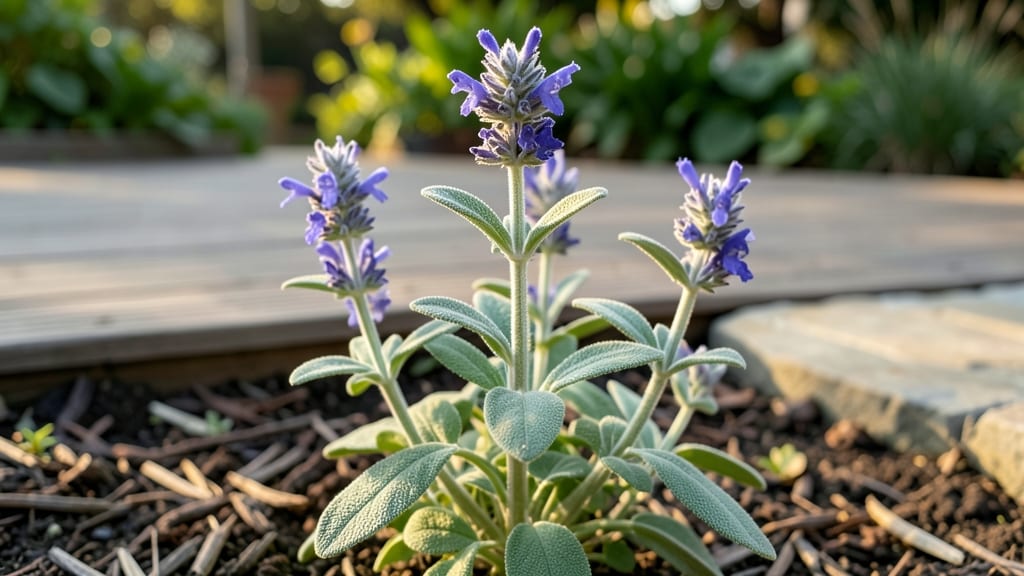
Black and Bloom sage turns heads with its deep purple flower spikes that pop against velvety black foliage. 🌿 This perennial workhorse thrives in hot, dry spots where other plants wilt, and it keeps coming back year after year with minimal fuss.
The contrast it creates in garden beds is nothing short of dramatic—dark leaves with vibrant blooms that attract bees all summer long.
This sage works beautifully as a border plant where it can spill over edges, or in containers where its upright growth adds vertical interest. Pair it with silver foliage plants like lamb’s ear or dusty miller to make the purple spikes stand out even more.
In pollinator gardens, it’s a must-have because bees can’t resist its nectar-rich blooms.
What makes Black and Bloom so special is how effortlessly it fits into any design scheme—whether you want a bold statement or subtle texture. It handles heat and drought like a champ, so once established, it’s basically maintenance-free.
The foliage stays striking even after the flowers fade, giving you long-lasting color.
For best results, plant it in full sun where it gets at least six hours of light daily. It’s hardy in zones 5-9, so if you live in a warm climate, it’ll thrive for years with just occasional pruning.
The key is giving it space to spread—about 2-3 feet apart—and watching it transform any garden corner into a showstopper.
📚 In This Guide
- What you need
- Instructions
- Tips and common mistakes
- Wrapping up and next steps
What you need
- ● Black and Bloom Sage Plant: 1 healthy nursery-grown plant (check for vibrant foliage and no signs of pests).
- ● Well-Draining Potting Soil: 3–5 gallons of a cactus/succulent mix (or add perlite/sand to regular soil for drainage).
- ● Container or Garden Bed: For Containers: 1–2 pots (12–18 inches wide) with drainage holes.
- ● For Gardens: Full sun exposure (6+ hours/day) and loose, rocky soil.
- ● Watering Can or Hose: With a gentle spray nozzle (to avoid soggy roots).
- ● Pruning Shears: Sharp, clean pair for trimming dead blooms or overgrowth.
- ● Slow-Release Fertilizer: 1 packet of balanced 10-10-10 or succulent-specific granules (apply in early spring).
- ● Mulch: Gravel or pebbles (to retain heat and deter weeds).
- ● Plant Support: Small stakes (if growing in windy areas).
- ○ Gloves: For handling prickly stems (optional but helpful!).
Step-by-step guide to planting and caring for black and Bloom sage
This stunning perennial thrives with minimal fuss—here’s how to get those dramatic purple spikes back every year.
🪴 Step 1: Choose the Perfect Sunny Spot
Black and Bloom Sage demands full sun—at least 6-8 hours daily—for its signature deep purple blooms. I always pick the sunniest corner of my garden because even partial shade dulls the color and weakens growth. The plant tolerates dry soil better than soggy roots, so avoid low spots where water pools.
Test your location by observing how other plants perform. If nearby perennials struggle in the spot, this sage will too. Amend heavy clay soil with 1-2 inches of compost to improve drainage—this sage hates "wet feet." Once planted, it rarely needs extra care beyond occasional pruning.
🌱 Step 2: Plant at the Right Depth and Spacing
Dig a hole twice as wide as the root ball but only as deep as the container’s bottom. Gently remove the plant from its pot and loosen tangled roots with your fingers. Place it in the hole so the top of the root ball sits level with the surrounding soil—burying too deep suffocates the plant.
Space plants 18-24 inches apart for mature growth. Crowding leads to weak stems and fewer blooms. Backfill with native soil, pressing lightly to eliminate air pockets. Water deeply right after planting to settle the soil—you’ll see the roots settle within minutes. Mulch with 1-2 inches of gravel or bark to prevent soil splatter on leaves (which causes disease).
☀️ Step 3: Water Smartly for Year-Round Health
Black and Bloom Sage thrives on neglect once established—water only when the soil feels completely dry 2-3 inches down. Stick your finger in; if it comes out clean, it’s time to water. Overwatering causes root rot, which kills the plant in weeks. During the first growing season, water once a week unless rain provides 1 inch of moisture.
In summer, you’ll see the leaves curl slightly on hot afternoons—that’s normal. The plant conserves water this way. Reduce watering in late summer to encourage hardy roots for winter. By fall, the plant should look slightly stressed (leaves may yellow) but never mushy or wilted beyond recovery.
✂️ Step 4: Prune for More Blooms and Winter Prep
After the first flush of purple blooms fades, cut back stems by one-third to encourage a second flush. Use clean, sharp shears to make cuts just above a set of healthy leaves. Never leave stubs—this invites disease. I prune in early summer, and the plant rewards me with another round of blooms by late summer.
In late fall, cut back all stems to 4-6 inches tall. This shape prevents winter damage from heavy snow or ice. Remove any dead or diseased branches completely. The plant’s woody stems will show through—don’t worry, it’s perfectly normal and signals the plant’s hardiness.
⏰ Step 5: Protect and Enjoy Year After Year
This sage is hardy to USDA Zone 5, meaning it survives winters with minimal protection. In colder zones, add 2-3 inches of mulch around the base in late fall. The plant may look dormant in winter, but its roots stay alive underground, ready to burst back in spring.
By early spring, you’ll see new growth at the base. Remove any old mulch and add fresh compost to feed the plant. The first blooms appear in 6-8 weeks—watch for those dramatic purple spikes returning, just as promised. With proper care, Black and Bloom Sage lives for 10+ years, making it a true garden workhorse.
Tips & tricks for perfect black and Bloom sage
Here's what nobody tells you about keeping this beauty thriving for decades.
Sunlight Secret: Those dramatic purple blooms need the full 6-8 hours of direct sunlight daily—no compromises. I planted mine near my south-facing fence where it gets unfiltered sun all afternoon. If you notice the color fading to greenish-purple, that's your plant begging for more light. Move it or add a reflective surface nearby to bounce extra sunlight its way.
Planting Precision: The hole should be twice as wide as the root ball but only as deep as the container's bottom—this prevents suffocating the plant. I learned this the hard way after burying one too deep and watching it struggle for months. When backfilling, press gently around the roots to eliminate air pockets, then water deeply. You'll see the soil settle perfectly around the roots within minutes.
Watering Wisdom: Stick your finger 2-3 inches into the soil—if it comes out clean, that's your cue to water. Overwatering is the #1 killer of Black and Bloom Sage, causing root rot that can wipe out your plant in weeks. In summer, the slight leaf curling is normal—it's the plant's way of conserving water during heatwaves. Reduce watering in late summer to toughen up those roots for winter.
Pruning Payoff: That one-third pruning after the first flush isn't just about tidying up—it triggers a second round of those stunning purple blooms by late summer. Always cut just above a set of healthy leaves using clean shears. I keep a small bottle of rubbing alcohol handy to wipe down my shears between cuts—this prevents spreading any potential diseases between plants.
Pro Tips for Black And Bloom Sage
- Here's what nobody tells you about keeping this beauty thriving for decades.
- Sunlight Secret: Those dramatic purple blooms need the full 6-8 hours of direct sunlight daily—no compromises.
- Planting Precision: The hole should be twice as wide as the root ball but only as deep as the container's bottom—this prevents suffocating the plant.
Frequently asked questions
How do I know if my Black and Bloom Sage is getting enough sun?
Black and Bloom Sage thrives in full sun (6–8 hours daily), but it can tolerate partial shade—though blooms may be fewer. If leaves look pale or leggy, it’s begging for more light! In hot climates, afternoon shade helps prevent scorching. Watch for drooping or crispy edges—a sign it’s struggling with too much heat or sun.
When should I prune Black and Bloom Sage for the best blooms?
Prune right after flowering (late summer/early fall) to encourage bushier growth and next year’s blooms. Avoid heavy pruning in winter—this tender perennial can resent cold snaps. Pro tip: Snip back about 1/3 of the plant to shape it, but leave some stems for winter interest!
Is Black and Bloom Sage cold-hardy, and how do I protect it in winter?
This sage is hardy to USDA zones 5–9, but young plants or harsh winters may need help. Mulch heavily with straw or shredded leaves (3–4 inches) to insulate roots. In zones 5–6, a light frost cloth can save it from dieback. If stems blacken, don’t panic—the plant often rebounds in spring!
Can I grow Black and Bloom Sage in containers, and what’s the best soil mix?
Use a well-draining potting mix with perlite or sand to prevent root rot. Containers should have drainage holes and be at least 12 inches wide. A 50/50 blend of potting soil and coarse sand works wonders. Bonus: Container-grown sage blooms earlier in spring!
What pests or diseases should I watch for with Black and Bloom Sage?
This sage is drought-tolerant and pest-resistant, but watch for aphids (tiny green bugs) or whitefly in humid climates. Spray with neem oil if needed. Overwatering can cause root rot—let soil dry between waterings. Prevention tip: Space plants 18–24 inches apart for airflow!
Wrapping up and next steps
Growing black and bloom sage is a rewarding journey that brings vibrant purple spikes and perennial beauty to your garden. Its hardy nature, drought tolerance, and striking foliage make it a standout choice for both novice and experienced gardeners.
Whether you’re drawn to its ornamental appeal or its practical benefits, this plant is a must-have for any landscape.
Ready to transform your garden? Start by gathering your supplies and following the steps above—soon, you’ll be enjoying black and bloom sage year after year! 🌿✨ Plant your first cutting today!