
Blooming
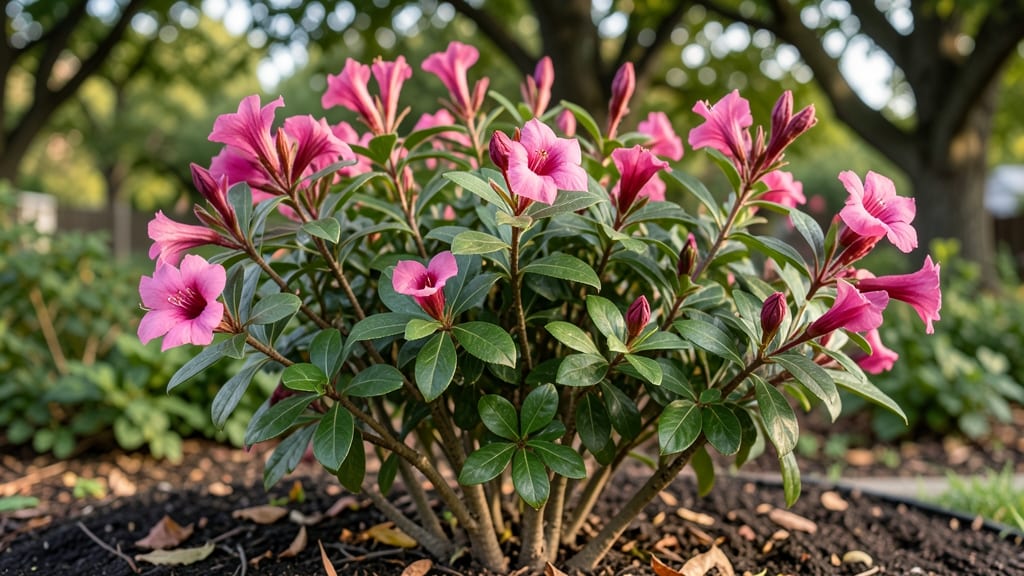
"Sonic Bloom" Weigela thrives when winter’s chill doesn’t stop its purple spikes. 🌿 I’ve watched this hardy shrub shrug off 20-degree nights while neighbors’ plants wilt—its secret lies in smart winter prep, not fancy tricks. The key is mulching deep (3-4 inches of shredded bark) and pruning after blooms fade, never in fall. This cultivar handles zones 4-8, but early frosts can scorch new growth—wrap young plants in burlap if temps dip below 15°F. Even when stems blacken, it rebounds with more blooms next spring. You’ll spot fresh green shoots by late April, proving winter’s just a pause. The real magic? No deadheading needed—just step back and let it recover. Pests like scale hide under mulch, so inspect stems in early spring before growth explodes. Works for foundation plantings, cottage gardens, or even containers. Here’s how to keep yours coming back stronger every year.
📚 In This Guide
- What you need
- Instructions
- Tips and common mistakes
- Wrapping up and next steps
What you need
- ● Sonic Bloom Weigela plants: 1–3 mature plants (depending on desired size; 3–4 ft tall at maturity). Choose Weigela florida ‘Sonic Bloom’ for its vibrant purple-pink blooms.
- ● Well-draining potting mix: 5–10 gallons (for containers) or amend garden soil with compost (2–3 parts soil + 1 part compost) to improve fertility and drainage.
- ● Organic mulch: 2–3 inches of pine bark fines or shredded leaves to insulate roots and retain moisture.
- ● Slow-release fertilizer: 10–20–10 NPK ratio (1 lb per 100 sq ft) to support winter hardiness and spring reblooming.
- ● Garden gloves (1 pair) – Protect your hands from thorns and soil.
- ● Trowel or spade – For digging planting holes (12–18 inches deep/wide).
- ● Pruning shears – Bypass pruners (sharp, 6–8 inch blades) for shaping and deadheading.
- ● Watering can or hose with nozzle – Adjustable for gentle watering (1–2 gallons per plant initially).
- ○ Optional frost cloth – Lightweight frost protection fabric (for young plants or harsh winters).
- ● Sunlight: Full sun (6+ hours/day) or partial shade (4–6 hours) in cooler climates (Zones 4–8).
- ● Soil pH: Slightly acidic to neutral (6.0–7.0). Test with a soil pH kit if unsure.
- ● Planting timing: Early spring or fall (4–6 weeks before first frost for root establishment).
How to care for Sonic Bloom Weigela through winter’s freeze
This cold-hardy beauty thrives when you give it the right winter prep and protection.
☀️ Step 1: Prune for Structure and Airflow Before Frost
Weigela’s branches grow thick and woody over time, so I prune in late winter or early spring—but only after the last frost warning. Remove dead, crossing, or inward-growing branches first with sharp pruners. Cut just above an outward-facing bud to encourage new growth that will bloom better next season.
Don’t over-prune—Sonic Bloom Weigela blooms on both old and new wood, so leave at least ⅓ of last year’s growth intact. You’ll see thick, sturdy stems with clusters of buds along them; these are your future blooms. After pruning, rake up fallen leaves and debris around the base to prevent fungal diseases from overwintering.
🪴 Step 2: Mulch Heavily to Insulate Roots
Once temperatures dip below 25°F, protect the roots with a 4-6 inch layer of organic mulch like shredded bark or straw. I use the 3 bags of mulch I’ve prepped, spreading it in a loose mound around the base, keeping it 3 inches away from the trunk to avoid rot. This insulation prevents the ground from freezing solid and protects delicate root systems.
Check the mulch in mid-winter—if it’s compacted or broken down, fluff it up or add a fresh layer. Avoid synthetic mulches like black plastic, which can trap too much heat and damage roots in fluctuating temperatures. The goal is to mimic the natural snow cover that protects wild Weigela in colder climates.
❄️ Step 3: Shield New Growth from Harsh Freezes
If your region experiences prolonged sub-zero temperatures (below 10°F), wrap young plants or newly planted Weigela with burlap or frost cloth to shield them from windburn and extreme cold. Secure the fabric loosely with twine or stakes—too tight, and you’ll restrict airflow, which can cause moisture buildup and rot.
For established plants, focus on watering deeply before the first hard freeze. Soak the soil to 12 inches deep—this ensures roots have moisture reserves as the ground freezes. If you notice wilting or browned stems after a freeze, don’t panic. Weigela is resilient; new growth will emerge once temperatures rise above 40°F consistently.
⏰ Step 4: Monitor for Winter Damage and Spring Revival
In late winter, inspect your Weigela for signs of frost damage: blackened stems, split bark, or mushy wood indicate severe cold injury. Prune out only the most damaged sections—healthy buds hidden beneath the bark will often regrow. Avoid heavy pruning until spring, when you can assess the full extent of winter stress.
Watch for new green shoots in March or April—this is your cue that the plant is recovering. Once you see 3-4 inches of fresh growth, remove any remaining winter wraps and apply a balanced fertilizer (like 10-10-10) to encourage robust blooming. Sonic Bloom Weigela rewards patience with vibrant purple spikes that return stronger each year after winter’s chill.
Tips & tricks for winterizing Sonic Bloom Weigela
Here's what I've learned after years of watching these purple beauties bounce back from winter's worst—tricks that make all the difference between a plant that survives and one that thrives.
Pruning Precision: When you're cutting in Step 1, look for those outward-facing buds—they're your future blooms. I always make my cuts just above them at a slight angle to prevent water from pooling. The goal is to shape the plant while preserving next year's flower potential. Remember, those thick stems with clusters of buds are your treasure trove for vibrant purple spikes.
Mulch Depth Matters: That 4-6 inch layer in Step 2 isn't just about thickness—it's about creating an insulating blanket. I find shredded bark works best because it allows moisture to move while trapping heat. The key is to keep it 3 inches away from the trunk to prevent rot. Think of it like dressing your plant in a winter coat—too tight and it suffocates, too loose and it doesn't protect enough.
Frost Protection Strategy: For those sub-zero nights below 10°F, I've found that burlap works better than frost cloth for Weigela because it's more breathable. The secret is securing it loosely—you want to let air circulate or you'll trap moisture that can cause rot. I always double-check my ties after heavy snowfall to make sure the wrap hasn't been pulled tight by accumulating weight.
Spring Revival Cues: Those 3-4 inches of fresh growth in Step 4 are your green light to remove winter wraps. I wait until I see consistent growth for at least 3 days before removing protection completely. This timing ensures the plant isn't caught off guard by sudden cold snaps. The vibrant purple spikes you'll get are worth the patience—each year's recovery makes the next winter's chill less intimidating.
Pro Tips for Sonic Bloom Weigela In Winter
- Here's what I've learned after years of watching these purple beauties bounce back from winter's worst—tricks that make all the difference between a plant that survives and one that thrives.
- Pruning Precision: When you're cutting in Step 1, look for those outward-facing buds—they're your future blooms.
- Mulch Depth Matters: That 4-6 inch layer in Step 2 isn't just about thickness—it's about creating an insulating blanket.
Frequently asked questions
Got questions about keeping your Sonic Bloom Weigela thriving through winter’s chill? You’re not alone! Here are answers to the most common queries—from frost survival to post-winter care.
Q: How cold can Sonic Bloom Weigela tolerate?
The Sonic Bloom Weigela is USDA Hardiness Zones 4-8, meaning it handles temps down to -20°F (-29°C). Its frost-resistant nature means it’ll bounce back with vibrant purple blooms come spring—just protect young plants with mulch or burlap in extreme freezes.
Q: Should I prune Sonic Bloom Weigela in winter?
Yes! Late winter (after the worst cold passes, ideally February-March) is the best time to prune. Cut back dead or weak stems by ⅓ to encourage bushier growth and more blooms. Avoid heavy pruning in fall—it can stimulate tender new growth that won’t survive frost.
Q: What if my Sonic Bloom Weigela looks dead after winter?
Don’t panic! Weigelas often drop leaves and appear dormant in winter. Wait until late winter/early spring—new growth will emerge from the base. If branches are brown and mushy (not just dry), they’re likely dead and can be trimmed. Healthy stems will feel firm when bent.
Q: Can I grow Sonic Bloom Weigela in containers?
Just use a 15+ gallon pot with well-draining soil and place it in full sun. In winter, move containers to a protected spot (like a garage or under eaves) or wrap the pot in bubble wrap to insulate roots. Drainage holes are a must to prevent root rot.
Q: Are there winter alternatives if Sonic Bloom doesn’t bloom well?
If your Weigela’s winter chill wasn’t enough, try cold-hardy alternatives like:
- Dwarf Korean Lilac (Zones 4-8, fragrant spring blooms)
- Winter Jasmine (Zones 5-9, yellow winter flowers)
- Heather (Zones 4-8, evergreen with winter color)
Wrapping up and next steps
Sonic Bloom Weigela proves that winter isn’t the end of your garden’s story—it’s just a pause before a spectacular comeback! 🌸 With its frost-resistant purple spikes and resilient nature, this shrub turns cold seasons into a showstopper. Whether you're a seasoned gardener or just starting, its easy-care charm makes it a must-have for year-round interest.
Ready to transform your winter landscape? Grab your gloves, pick a sunny spot, and plant your Sonic Bloom Weigela—your garden’s next hero is waiting for its moment to shine!