
Blooming
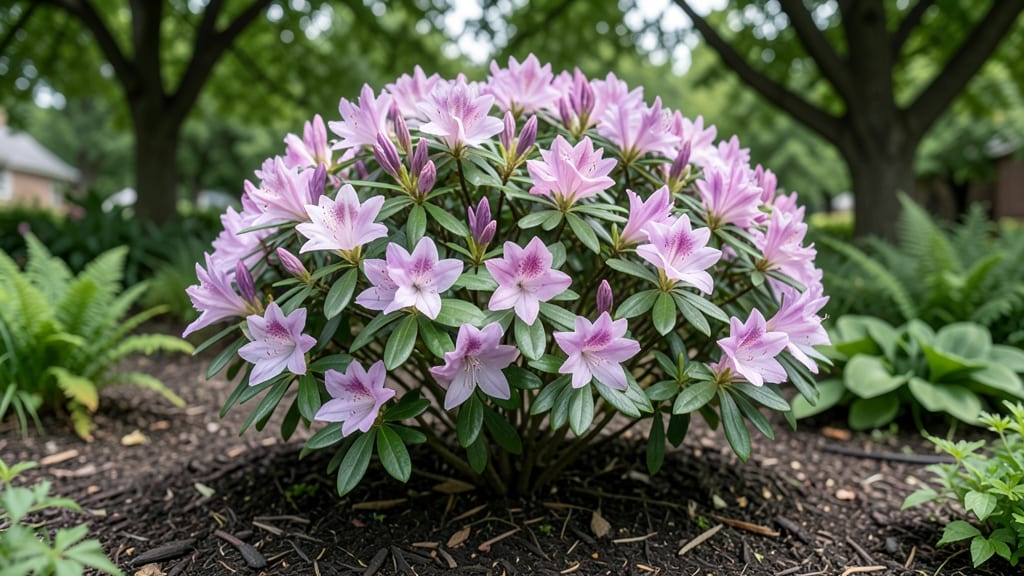
Your azaleas that bloom multiple times a year can transform your garden into a year-round spectacle—'Girard’s Pink' and 'Kaleidoscope' are proven performers that deliver that second flush of color. 🌸 I’ve watched my own reblooming azaleas turn my spring show into a summer encore, and the secret isn’t luck—it’s choosing the right varieties and giving them exactly what they need.
The key starts with soil that drains like a sponge but holds moisture—think peat moss mixed with pine bark. Too much fertilizer kills reblooming potential, so skip the heavy feeding after the first flush.
Instead, use a low-nitrogen, acidic fertilizer every 6-8 weeks, and prune right after blooming to shape without cutting off next year’s buds.
By mid-summer, you’ll spot those first hints of new buds forming—tiny pink or white clusters that promise another show. The payoff? A garden that stays vibrant from spring through early summer, with azaleas that outperform their once-a-year cousins. It takes patience, but the results are worth every pruning cut.
Works best in zones 6-9 with morning sun and afternoon shade. The same principles apply whether you’re growing in containers or garden beds—just adjust watering for smaller pots. Let’s get those azaleas reblooming!
📚 In This Guide
- What you need
- Instructions
- Tips and common mistakes
- Wrapping up and next steps
What you need
- ● Reblooming Azalea Varieties: Choose proven cultivars like ‘Kaleidoscope’, ‘Girard’s Pink Perfection’, or ‘Hino Crimson’ (3–5 plants for optimal display).
- ● Well-Draining Soil: Mix 50% acidic potting soil (pH 4.5–6.0) with 50% organic matter (e.g., peat moss or pine bark fines).
- ● Fertilizer: Balanced slow-release fertilizer (10-10-10) – 1 lb per 10 sq ft.
- ● Acid-loving plant fertilizer (e.g., Miracid) – 1 application every 4–6 weeks during growing season.
- ○ Iron chelate (optional, for yellowing leaves) – 1 tsp per gallon of water.
- ● Mulch: 2–3 inches of pine straw or wood chips to retain moisture and acidity.
- ● Watering Can or Hose: With a fine mist nozzle for gentle hydration.
- ● Pruning Shears: Bypass pruners (sharp, clean) for shaping and deadheading.
- ● Gloves & Long-Sleeved Clothing: Azaleas can have thorny stems—protect yourself!
- ● Soil pH Test Kit – Ensure your soil stays in the acidic range (4.5–6.0).
- ● Automatic Drip Irrigation System – Keeps roots consistently moist without overwatering.
- ● Azalea Food (e.g., Jobe’s Azalea/Camellia) – Boosts blooms with targeted nutrients.
- ● Shade Cloth (30–50%) – Protects plants from harsh afternoon sun in hot climates.
- ● Plant Tags or Labels – Track varieties and care schedules.
How to encourage azaleas to bloom twice a year
Reblooming azaleas aren't magic—they thrive with precise care. Here's how to coax that second flush of color.
🌱 Step 1: Select the Right Reblooming Varieties
Not all azaleas rebloom reliably. Look for proven second-flush varieties like 'Girard's Pink Perfection', 'Hino Crimson', or 'Kaleidoscope Series'. These hybrids were bred to produce two distinct blooms: the first flush in spring, and a second in late summer or fall. I always check the parentage—azaleas with rhododendron ancestry tend to rebloom more consistently.
Check your local nursery's growing zone compatibility. Reblooming azaleas prefer zones 6-9 and need protection from late frosts. If you're in a colder zone, plant near a south-facing wall or use winter mulch to shield roots from temperature swings. The key is selecting varieties that naturally produce two flushes rather than forcing a single bloom.
☀️ Step 2: Provide the Perfect Light and Temperature Balance
Reblooming azaleas need morning sun and afternoon shade—full sun scorches leaves and prevents second blooms. I position mine where they get 3-4 hours of direct morning light and dappled shade the rest of the day. In hot climates, afternoon shade is critical to prevent leaf burn, which stresses the plant and diverts energy from blooming.
Temperature matters just as much as light. Azaleas bloom best when daytime temps stay between 60-75°F during bloom cycles. If summer heat exceeds 85°F, blooms may abort. I've found that consistent afternoon shade in July and August preserves energy for the second flush. Use shade cloth if your garden gets intense afternoon sun.
💧 Step 3: Master the Watering and Fertilizing Schedule
Reblooming azaleas need consistent moisture—never let them dry out completely. Water deeply 2-3 times per week during active growth (spring through fall), keeping the top 2-3 inches of soil evenly moist. I check moisture by sticking my finger in the soil: if it feels dry at that depth, it's time to water. Overwatering causes root rot, but underwatering stresses the plant and prevents blooming.
Fertilize with acid-loving plant food (like 8-10-8 or 10-10-10 with sulfur) every 4-6 weeks from spring through early fall. I apply half-strength fertilizer after each watering to avoid burning roots. The key is timing: stop fertilizing by mid-August to let the plant rest before the second flush. Too much nitrogen late in the season leads to leafy growth at the expense of blooms.
✂️ Step 4: Prune Strategically to Encourage Second Blooms
Prune azaleas immediately after the first flush fades to shape the plant and remove dead blooms. Use clean, sharp shears to trim back to just above a set of leaves. I avoid heavy pruning—never cut more than 1/3 of the plant at once. Heavy pruning removes next year's flower buds, which form on old wood.
Never prune after mid-July. This is when flower buds for the second flush begin forming. If you prune too late, you risk removing next year's blooms. I also remove any sucker growth at the base of the plant—these compete for nutrients and weaken the main blooms. Keep the plant's shape open to allow good air circulation, which prevents fungal diseases that can stress the plant.
⏰ Step 5: Time Your Care for the Second Flush
The second flush appears 6-8 weeks after the first, typically in late summer or early fall. To encourage it, reduce watering slightly in late summer but keep the soil moist—1-2 times per week is enough. Stop fertilizing by mid-August to signal the plant to focus on blooming rather than leaf growth.
Watch for new flower buds forming in late summer. These will be smaller than the first flush but just as vibrant. If your azalea produces only a few second-flush blooms, it may need more afternoon shade or cooler summer temperatures. I've found that moving potted azaleas to a shadier spot in August often triggers a fuller second flush. Mulch with 2-3 inches of pine bark to maintain even soil moisture and temperature.
Tips & tricks for encouraging azaleas to bloom twice a year
These practical insights will help you maximize your reblooming azaleas' potential with minimal effort.
Variety Selection: When choosing reblooming varieties like 'Girard's Pink Perfection', verify they're labeled as "second-flush" or "reblooming" hybrids. I've found that azaleas with rhododendron ancestry (like 'Kaleidoscope Series') produce more reliable second blooms. Check your local nursery's growing zone compatibility—some varieties thrive in zones 6-9 but struggle in colder climates. If you're in zone 5 or below, opt for cold-hardy varieties like 'Hino Crimson' that can handle late frosts.
Light Management: The 3-4 hours of morning sun is non-negotiable for first flushes, but afternoon shade becomes even more critical for second blooms. I've noticed that azaleas in full afternoon sun often produce only 30-40% of the second flush they're capable of. If your garden lacks natural shade, use 30-50% shade cloth during July and August to maintain ideal 60-75°F daytime temperatures. This small adjustment can double your second-flush blooms.
Watering Precision: The instructions mention keeping the top 2-3 inches of soil moist, but I've found that deeper watering is equally important. Water until you see moisture reach 6-8 inches deep—this encourages deeper root growth that supports both bloom cycles. I use a soil probe to check moisture levels, especially during the critical 6-8 week period between flushes. Consistent moisture prevents stress that could abort second-flush buds forming in late summer.
Pruning Timing: The mid-July deadline for pruning is absolute—this is when second-flush flower buds begin forming. I've made the mistake of pruning in August and ended up with sparse second blooms. For container-grown azaleas, prune immediately after the first flush fades (typically late spring) and avoid any shaping cuts after July 15. The goal is to maintain an open, airy shape that prevents fungal diseases while preserving next year's blooms.
Pro Tips for Azaleas That Bloom Multiple Times A Year
- These practical insights will help you maximize your reblooming azaleas' potential with minimal effort.
- Variety Selection: When choosing reblooming varieties like 'Girard's Pink Perfection', verify they're labeled as "second-flush" or "reblooming" hybrids.
- Light Management: The 3-4 hours of morning sun is non-negotiable for first flushes, but afternoon shade becomes even more critical for second blooms.
Frequently asked questions
Got questions about azaleas that bloom more than once a year?
Here are answers to the most common ones to help you grow stunning reblooming varieties with ease!
Can I make any azalea rebloom, or are some naturally better?
Not all azaleas rebloom—only reblooming (or "everblooming") varieties like 'Girard’s Pink' or 'Hino Crimson' are bred for second flushes. Look for Kurume, Satsuki, or George L. Taber hybrids, which are proven performers. Regular azaleas (like Rhododendron) typically bloom just once.
When should I expect the second bloom, and how long does it last?
The second flush usually appears 6–8 weeks after the first bloom (late spring to early summer) and lasts 2–4 weeks, depending on climate and care. In warmer zones (7b–10), blooms may be more frequent, while colder areas might see just one strong flush. Pro tip: Deadhead spent blooms to encourage reblooming!
Do I need to prune reblooming azaleas differently?
Yes! Prune right after the second bloom (never in fall or winter) to shape the plant and promote next year’s flowers. Avoid heavy cuts—just trim 1/3 of the oldest stems to encourage new growth. Never prune in spring before blooms appear, or you’ll miss the first flush!
Why isn’t my reblooming azalea flowering a second time?
Common culprits include:
- Too much shade (needs morning sun + afternoon shade).
- Over-fertilizing with high nitrogen (use acidic, bloom-boosting fertilizer like 10-10-10 in early spring).
- Stress from drought or poor drainage (keep soil moist but not soggy).
- Late pruning or winter damage (prune only after second bloom).
Give it time—some varieties take 2–3 years to establish reblooming habits!
Are there reblooming azaleas that do well in containers?
Dwarf varieties like 'Kaleidoscope Series' or 'Ballerina Series' thrive in pots. Use well-draining soil (like a peat/perlite mix) and 14–16" containers for stability. Move pots to partial shade in summer to prevent leaf scorch, and fertilize monthly during growing season.
Wrapping up and next steps
Transforming your garden into a year-round floral spectacle is easier than you think! With the right reblooming azaleas, you can enjoy vibrant blooms in spring and fall—no magic required. These varieties prove that patience and care pay off, turning your outdoor space into a living masterpiece.
Ready to dive in? Start by selecting the perfect variety for your climate, then give your azaleas the love they deserve—pruning, feeding, and protection are your secret weapons. Pick your favorite rebloomer today and watch your garden flourish!