
Plants
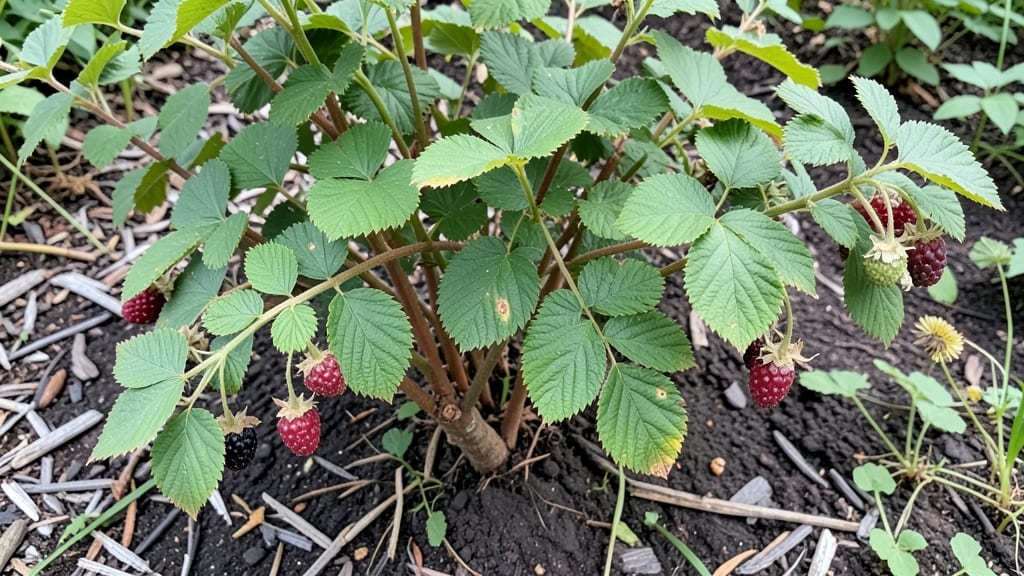
Raspberries are perennials that regrow each year from their root system, producing fruit annually for 5–10 years before declining, though some varieties may live longer with proper care. They thrive in temperate climates and require winter dormancy to reset growth cycles.
Once established, raspberry plants develop a robust root system that stores energy over winter, allowing them to sprout fresh canes each spring. 🌱 This persistent growth habit means gardeners can enjoy multiple harvests per season—some varieties even produce fruit on both first-year and second-year canes.
The key to longevity lies in mimicking their natural dormancy; mulching heavily in winter and pruning strategically in late winter helps maintain vigor for decades.
What many growers don’t realize is that raspberries actually reward patience—their most productive years often come after the initial planting shock subsides. Summer-bearing types typically need 2 years to establish before their first major harvest, while fall-bearing varieties can fruit on new canes annually.
Proper spacing (3–4 feet between plants) and well-draining soil prevent overcrowding, which accelerates decline.
💡 In This Article
- How Raspberry Plant Lifecycles Work as Perennials
- Maximizing Raspberry Perennial Fruit Production
How raspberry plant lifecycles work as perennials
Here's what's actually happening below ground: raspberry plants develop a specialized root crown that acts like a biological battery, storing starches and sugars during dormancy. This crown—typically 2-3 inches below soil level—contains meristematic cells that remain alive even under winter frost (-10°F to -15°F for most varieties).
When spring temperatures stabilize above 50°F, these cells rapidly divide, sending up new canes from dormant buds. The magic happens through a process called cold stratification, where the root system undergoes a biochemical reset triggered by prolonged cold exposure.
The two main fruiting patterns—summer-bearing (biennial) and fall-bearing (primocane)—explain why some varieties produce fruit twice yearly. Summer-bearing types fruit on second-year canes (those that grew the previous season), while fall-bearing varieties fruit on first-year canes and again the following year.
This difference stems from genetic variations in cane maturity rates: primocanes mature faster, allowing them to fruit sooner. For example, 'Heritage' (summer-bearing) needs 120-150 days of growth before fruiting, while 'Fall Red' (fall-bearing) can fruit just 90 days after emergence.
Seasonal growth phases create a fascinating cycle: spring brings rapid cane growth (up to 3 feet per month in ideal conditions), summer focuses energy on fruit development, and fall prepares the plant for dormancy by hardening canes.
The key factor is photosynthesis allocation—plants prioritize either vegetative growth (new canes) or reproductive growth (fruit) based on temperature cues. Pruning at the wrong time (like cutting primocanes in summer) can disrupt this balance, leading to reduced yields the following year.
What most people don't realize is how pruning affects longevity. Aggressive summer pruning removes potential fruiting wood, while winter pruning (removing old canes) prevents disease buildup.
The optimal approach varies by variety: summer-bearing types need 90% of old canes removed in winter, while fall-bearing varieties only require removal of dead or diseased canes. This precision maintains the plant's energy reserves, extending its productive life by 3-5 years beyond the average lifespan.
Cold stratification works through hormonal changes: prolonged cold exposure (4-8 weeks below 40°F) breaks dormancy by converting stored starches into sugars and triggering gibberellin production—a plant hormone that promotes growth.
Without this cold period, raspberries may produce weak canes or fail to fruit entirely. This is why raspberries struggle in tropical climates—they simply can't complete their natural growth cycle without winter dormancy.
Consider these seasonal growth milestones for maximum productivity:
- Spring: New canes emerge (3-4 weeks after last frost) and grow rapidly
- Summer: Flower buds form on second-year canes (summer-bearing) or fruit develops on primocanes (fall-bearing)
- Fall: Canes harden and store carbohydrates for winter
- Winter: Dormancy period resets growth cycles through cold stratification
The science behind this involves a fascinating interplay between temperature thresholds and photoperiod (day length). Raspberry plants use these environmental cues to time their growth phases precisely—missing either can throw the entire cycle off.
For example, if winter temperatures stay above 45°F for too long, the plant may not complete dormancy properly, leading to weak spring growth. 🌱