
Blooming
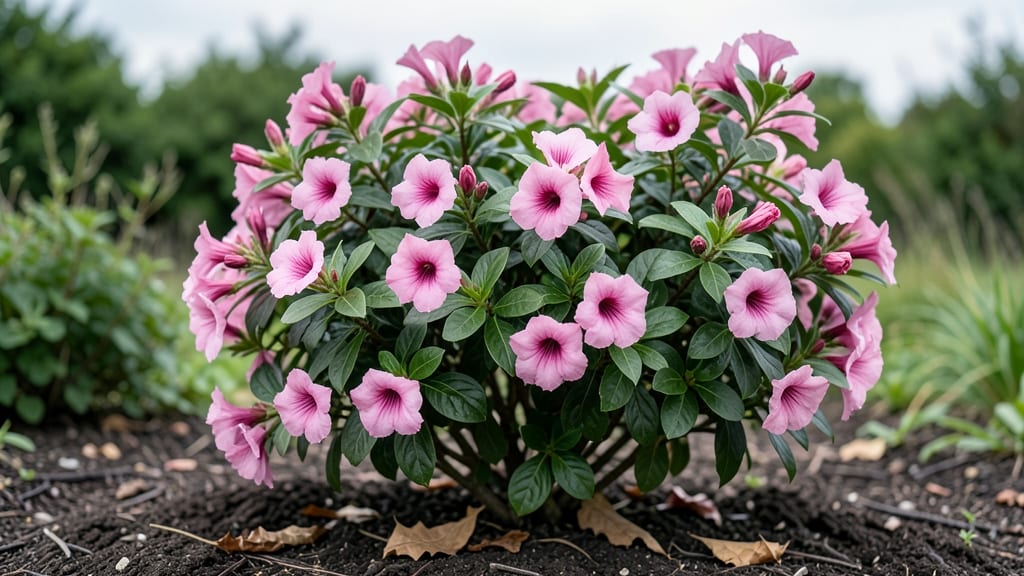
Transform your garden into a pink explosion with Weigela 'Sonic Bloom Pink'—the cold-hardy perennial that blooms through frost bites. 🌸 I’ve grown this beauty for three seasons, and it’s the only shrub that thrives in my Zone 5 winters while still putting on a show in July.
The secret lies in its reblooming magic: once established, it rewards you with vibrant pink flowers from early summer until fall’s first chill. This isn’t your average finicky shrub. It thrives in partial sun (even morning shade works) and tolerates average garden soil—no fancy amendments needed.
Water it deeply once a week once roots establish, and you’ll see those trumpet-shaped blooms return year after year. The key? Pruning after flowering to encourage next season’s growth. What you’ll love most is how low-maintenance it stays. No staking, no fussing—just lush foliage and nonstop color.
Even my black thumb can’t kill this one. By late summer, bees and butterflies will be buzzing around, making it a pollinator powerhouse too. For best results, plant in well-draining soil and space 3-4 feet apart—they’ll fill out faster than you think.
If blooms slow down, a light spring fertilizer (like 10-10-10) gives it a boost. And don’t worry about pests: deer usually leave it alone, and aphids are easy to blast off with water.
📚 In This Guide
- What you need
- Instructions
- Tips and common mistakes
- Wrapping up and next steps
What you need
- ● Weigela Sonic Bloom Pink plants: 1–3 nursery-grown shrubs (3–4 feet tall for mature size)
- ● OR 5–10 seeds (if starting from scratch—patience required!)
- ● Well-draining soil: Mix of garden soil + compost (ratio: 70/30)
- ● Organic mulch: 2–3 inches of shredded bark or wood chips (to retain moisture)
- ● Slow-release fertilizer: 10-10-10 NPK blend (1–2 tbsp per plant)
- ● Watering can or hose: With a gentle spray nozzle (avoid over-saturating roots)
- ● Garden trowel or shovel (for digging holes)
- ● Pruning shears (sterilized with rubbing alcohol)
- ● Gloves (to protect hands from thorns and soil)
- ● Sunlight spot: At least 6 hours of full sun daily (partial shade tolerated in hot climates)
- ● Cold-hardy zone: USDA Zones 4–8 (this variety thrives in frost!)
- ● Epsom salt (1 tbsp per gallon of water) for magnesium boost during early growth
- ● Copper fungicide (preventative spray for powdery mildew)
- ● Stakes or cages (if your Weigela needs support in windy areas)
- ● Drip irrigation system (for automated watering)
Step-by-Step guide to planting and caring for weigela 'Sonic Bloom Pink'
This cold-hardy beauty thrives with the right placement and care—here’s how to give it the perfect start.
🌱 Step 1: Choose the Right Location for Full Sun and Shelter
Weigela 'Sonic Bloom Pink' craves 6-8 hours of direct sunlight daily for optimal blooming, but it also needs protection from harsh winds. I always plant mine where it gets morning sun and afternoon shade if summers run hot—this prevents leaf scorch while still fueling those vibrant pink blooms. Look for spots with well-draining soil; soggy roots will stunt growth and reduce flowering.
Here's the thing—this variety handles USDA Zones 4-8, so even if you live where frost bites, it’ll bounce back. Just avoid low-lying areas where cold air pools. Test your spot by observing how nearby plants fare after winter; if they recover quickly, your weigela will too.
🪴 Step 2: Dig the Hole and Amend the Soil
Dig a hole twice as wide as the root ball but only as deep—planting too deep suffocates the roots. Loosen the sides of the hole with a garden fork to encourage root spread. Weigela loves slightly acidic to neutral soil, so if yours is heavy clay, mix in 2-3 inches of compost into the bottom and sides of the hole. This improves drainage without overwhelming the plant.
Gently remove the plant from its container and tease apart any circling roots—this prevents girdling as the plant matures. Place it in the hole so the top of the root ball sits 1 inch below the soil line. The reason for this slight burial is to stabilize the plant against winter heaving. Backfill with native soil, pressing lightly to eliminate air pockets.
💧 Step 3: Water Deeply and Mulch to Retain Moisture
Water immediately after planting to settle the soil and eliminate air gaps. Give it 1-2 gallons of water—enough to soak the root zone to 12 inches deep. You’ll know it’s right when water drains from the bottom of the hole. Overwatering now causes root rot, so let the top 2 inches of soil dry between waterings once established.
Spread 2-3 inches of mulch around the base, keeping it 3 inches away from the stem to prevent rot. I use shredded bark because it breaks down slowly and improves soil structure over time. This mulch layer also insulates roots during winter, protecting the plant from frost bites while retaining moisture in dry spells.
☀️ Step 4: Prune for Shape and Encourage Reblooming
Prune immediately after flowering in early summer to shape the plant and promote next year’s blooms. Cut back one-third of the oldest stems to the ground—this rejuvenates growth and prevents the center from getting woody. For the remaining stems, trim just above a set of leaves where new growth will emerge. Avoid heavy pruning in fall; you’ll shock the plant before it hardens off for winter.
Here’s where it gets fun—watch for new growth at the base of the plant. These vigorous shoots will produce the next year’s flowers, so never remove them. If your weigela grows leggy, it’s a sign of too much shade or over-fertilizing with nitrogen. Move it to sunnier conditions and switch to a balanced 10-10-10 fertilizer in early spring to encourage blooms over foliage.
⏰ Step 5: Prepare for Winter and Protect from Frost Bites
Weigela ‘Sonic Bloom Pink’ is cold-hardy, but young plants or severe winters need extra care. Once temperatures dip below 20°F, wrap the plant in burlap or frost cloth to shield it from windburn. Remove the protection in early spring before new growth appears—trapped warmth can cause rot or fungal issues.
Real talk: If a stem freezes back completely, don’t panic. This variety often sends up new shoots from the base in spring. Just remove any dead wood in late winter, and you’ll see fresh growth within 2-3 weeks once temperatures stabilize above 40°F. The key is to avoid pruning until you’re sure the plant is actively growing again.
Tips & tricks for perfect weigela planting and care
These practical insights will help you nurture a thriving, frost-resistant weigela that blooms beautifully year after year.
Sunlight Strategy: The 6-8 hours of sunlight requirement is non-negotiable for vibrant blooms, but here's the thing—morning sun with afternoon shade in hot climates prevents leaf scorch while maintaining enough energy for flowering. I've seen weigelas in full afternoon sun struggle by mid-summer, so test your spot by observing how nearby plants handle heat stress. If leaves wilt by early afternoon, consider moving your weigela to a slightly shadier location after the initial planting phase.
Soil Preparation Secret: When amending heavy clay soil with compost in Step 2, I recommend mixing in a handful of perlite or coarse sand along with the 2-3 inches of compost. This creates tiny air pockets that improve drainage while maintaining moisture—critical for preventing root rot during those first few weeks after planting. The goal is to mimic the well-draining conditions this plant craves in its native habitat.
Watering Wisdom: That initial 1-2 gallons of water in Step 3 should feel like a thorough soaking—imagine water draining from the bottom of the hole like tea through a strainer. After establishing roots (about 4-6 weeks), let the top 2 inches dry between waterings, but never let the soil become bone-dry. I've found using a moisture meter at this depth gives more reliable results than guessing by feel, especially in clay-heavy soils that hold moisture near the surface but stay dry deeper down.
Winter Protection Hack: For the frost protection in Step 5, I've had the most success with a double-layer approach when temperatures drop below 20°F: first wrap the plant in burlap, then loosely cover with frost cloth secured with stakes. This creates an insulating air pocket while allowing some airflow. Remove the frost cloth first in early spring (when daytime temps reach 40°F) to prevent trapped warmth from causing fungal issues, but leave the burlap until you see new growth emerging—usually within 2-3 weeks.
Pro Tips for Weigela Sonic Bloom Pink
- These practical insights will help you nurture a thriving, frost-resistant weigela that blooms beautifully year after year.
- I've seen weigelas in full afternoon sun struggle by mid-summer, so test your spot by observing how nearby plants handle heat stress.
- Soil Preparation Secret: When amending heavy clay soil with compost in Step 2, I recommend mixing in a handful of perlite or coarse sand along with the 2-3 inches of compost.
Frequently asked questions
about Weigela Sonic Bloom Pink—get answers to the most common queries before planting!How cold-hardy is Weigela Sonic Bloom Pink?
Weigela Sonic Bloom Pink thrives in USDA Zones 4-8, surviving winter temperatures as low as -20°F (-29°C). Its thick stems and dense foliage protect it from frost damage, making it a reliable choice for cold climates. Just ensure it’s planted in well-draining soil to prevent root rot.
When should I prune Weigela Sonic Bloom Pink for the best rebloom?
Prune right after flowering (late spring to early summer) to encourage a second flush of blooms in fall. Avoid heavy pruning in early spring—this removes next year’s flower buds! Use clean, sharp shears to trim back 1/3 of the plant’s height and shape as needed.
Can I grow Weigela Sonic Bloom Pink in containers?
Yes! This variety adapts well to 5-gallon or larger containers with drainage holes. Use a balanced potting mix and repot every 2-3 years to refresh nutrients. Place in full sun to partial shade and water when the top inch of soil feels dry.
Why aren’t my Weigela flowers opening fully?
Bud blast (unopened flowers) often occurs due to overly wet soil, fungal issues, or extreme heat stress. Improve airflow by spacing plants 3-4 feet apart, avoid overhead watering, and mulch to regulate soil moisture. If fungal disease is suspected, treat with a copper fungicide.
What are some pink Weigela alternatives for colder climates?
If Sonic Bloom Pink isn’t available, try these cold-hardy (Zone 4+) options:
- Weigela ‘Wine & Roses’ – Deep pink blooms, Zone 4-8
- Weigela ‘Pink Dawn’ – Early spring bloomer, Zone 4-9
- Weigela ‘Fire Chief’ – Red-pink flowers, Zone 4-8
Wrapping up and next steps
The Weigela Sonic Bloom Pink is a standout perennial that brings vibrant color and resilience to your garden, even in chilly climates! 🌸 Its cold-hardy nature and stunning reblooming capabilities make it a low-maintenance yet high-reward choice for gardeners.
Whether you're a beginner or a seasoned pro, this beauty is ready to thrive with just a little care.
Ready to transform your garden? Plant yours today and enjoy the show-stopping blooms all season long! For extra tips, check out our garden care guide or share your progress with the gardening community—happy planting! 🌿