
Blooming
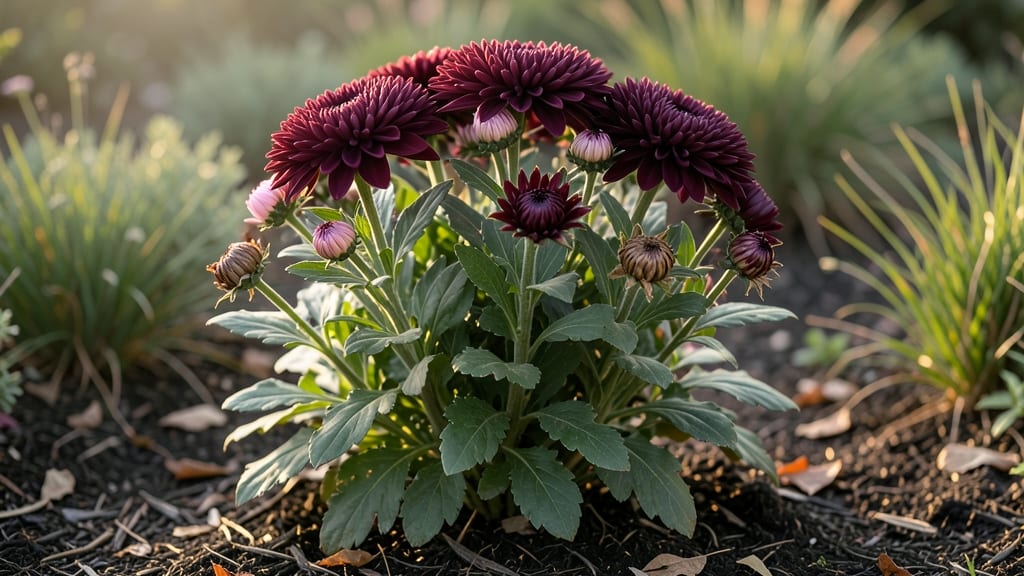
Chrysanthemums will bloom twice in a season only if they're refowering varieties like 'Indica' or 'Korean' types, which naturally produce two bloom cycles with proper growing conditions. Non-refowering types typically bloom once per year unless you prune them specifically to encourage reblooming.
Refowering chrysanthemums are bred specifically to produce two distinct bloom cycles in a single season, usually triggered by shorter daylight hours in fall. 🌸 The key difference lies in their genetic programming—these varieties store energy differently than once-blooming types, allowing them to recover and produce flowers again after their first flush.
For non-refowering varieties, you can sometimes coax a second bloom by pruning back stems after the first flowers fade, though the results may be smaller or less vibrant.
Light exposure plays a crucial role in this process. Most chrysanthemums need at least 6 hours of sunlight daily, but refowering types particularly benefit from bright, indirect light during their growth phase.
I've found that moving potted chrysanthemums to a sunnier spot in late summer can help stimulate that second bloom cycle. The right balance of nutrients—especially phosphorus and potassium—also makes a noticeable difference in encouraging reblooming.
💡 In This Article
- Why Some Chrysanthemums Reflower While Others Don’t
- How to Encourage Second Chrysanthemum Blooms
Why some chrysanthemums reflower while others don’t
The secret lies in their genetic programming. Refowering varieties like 'Indica' and 'Korean' chrysanthemums are specifically bred to store energy reserves in their roots during the first bloom cycle.
This stored energy allows them to recover and produce a second flush of flowers when daylight hours shorten in late summer or fall. 🌸 Unlike their once-blooming counterparts, these types have a built-in mechanism to respond to seasonal changes by redirecting nutrients from leaves and stems back into flower buds.
Light exposure triggers this process through a mechanism called photoperiodism. Most chrysanthemums need 12-14 hours of daylight to initiate blooming, but refowering types can sense when daylight drops below 12 hours—typically in late summer—and this shift signals their roots to prepare for a second bloom.
Temperature also plays a role: ideal daytime temperatures of 65-75°F combined with cooler nights (55-60°F) create optimal conditions for this second flowering cycle.
Non-refowering varieties lack this genetic ability to store and redirect energy. Their blooming cycle is more closely tied to their initial growth phase, which is why they typically produce just one flush of flowers.
However, some gardeners can encourage a second (though often smaller) bloom by pruning back stems after the first flowers fade, effectively giving the plant a second chance to redirect its energy.
This works because pruning stimulates new growth from lower buds, though the resulting flowers may not match the first flush in size or vibrancy.
Another key difference is root development. Refowering varieties develop more extensive root systems that can sustain two bloom cycles, while non-refowering types often have shallower roots designed for a single burst of energy.
Think of it like a marathon runner versus a sprinter—the refowering chrysanthemum has the endurance to go the distance, while the non-refowering type burns out after one race. 🏃♂️
Color and flower form also provide clues. Refowering varieties often have smaller, more numerous blooms in their second flush compared to their first, dramatic display. This is because the plant is prioritizing quantity over quality when redirecting limited energy reserves.
For example, a 'Bonanza' series chrysanthemum might produce large, showy 4-5 inch blooms first, but its second flush could feature 2-3 inch flowers that still contribute beauty to the garden.
Understanding these differences helps gardeners make informed choices. If you want reliable second blooms, select known refowering varieties from nurseries that specialize in chrysanthemums. These plants will reward you with continuous color from early summer through fall with minimal extra effort.
For non-refowering types, be prepared to put in extra work with pruning and care to coax even modest second blooms.