
Blooming
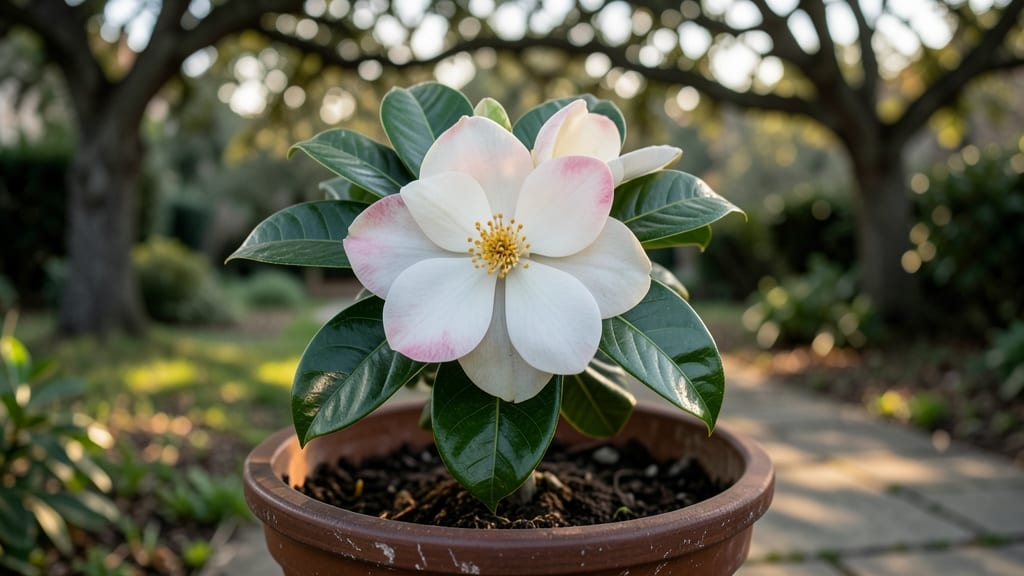
Gardenias typically bloom between late spring and early fall, with peak months varying by variety—summer for Cape Jasmine and late summer for August Beauty. Warmer regions (Zones 8-11) may enjoy continuous blooms year-round, while cooler climates (Zones 6-7) see shorter, seasonal displays. Proper light exposure and temperature management directly influence bloom timing.
Understanding gardenia blooming patterns helps you time care routines for maximum impact. 🌸 For example, Kleim’s Hardy varieties often start flowering in June and continue through September, while tropical types like Radicans may bloom sporadically in spring and fall.
The key difference between zones lies in frost sensitivity—plants in Zones 8-11 rarely experience dormancy, whereas those in Zones 6-7 need protection during winter months to ensure robust spring reblooming.
Light exposure plays a critical role in bloom timing, with gardenias requiring at least 6 hours of bright, indirect sunlight daily. 🌞 In cooler climates, supplementing with grow lights during shorter winter days can encourage earlier spring blooming.
I've found that consistent moisture levels (keeping soil evenly damp but not soggy) and regular feeding with acid-loving plant fertilizer during the growing season significantly extend the flowering window for both potted and in-ground plants.
💡 In This Article
- Gardenia Blooming Seasons by Variety and Climate Zones
- How to Extend Gardenia Blooming Season with Care Tips
Gardenia blooming seasons by variety and climate Zones
Gardenia blooming seasons are heavily influenced by both the specific variety and your local climate zone. For instance, Cape Jasmine (a popular gardenia cultivar) typically bursts into bloom from June to August, producing clusters of fragrant white flowers that release their sweetest aroma in the late afternoon.
Meanwhile, August Beauty lives up to its name by peaking in late July through September, with some varieties extending into early October in frost-free regions. The difference comes down to their natural growth cycles—Cape Jasmine is a mid-season bloomer, while August Beauty is bred for late-season performance.
Climate zones play an equally critical role in determining bloom timing. In Zones 8-11 (where winters rarely drop below 20°F), gardenias often enjoy year-round or near-continuous blooming, with only minor slowdowns during heatwaves or droughts.
For example, Radicans (a tropical variety) may produce sporadic blooms in spring and fall, but with consistent care, they can flower lightly even in winter.
In contrast, Zones 6-7 experience more dramatic seasonal shifts—buds form in late spring, but frost risks in fall and winter force plants into dormancy, typically resulting in a single concentrated bloom period from June to August.
Temperature thresholds are the hidden trigger for gardenia blooming.
Most varieties need consistent daytime temperatures between 65-85°F to set buds and nighttime temperatures above 55°F to prevent bud drop. 🌡️ In cooler zones, gardeners often see a "false start" where buds form in spring but fall off if a late frost hits. Kleim’s Hardy (a cold-tolerant variety) can handle brief dips to 15°F but still prefers the milder conditions of Zones 7-9 for optimal blooming.
The contrast between tropical and hardy varieties explains why a single gardenia bush might produce flowers in spring in Florida but wait until summer in New York.
Light exposure creates another layer of variation. Gardenias require bright, indirect sunlight (think dappled shade under trees) to bloom prolifically. In Zones 10-11, where sunlight is intense year-round, gardenias may produce smaller, more frequent blooms.
In Zones 6-7, where summer days are long but winter light is scarce, plants often enter a rest period after their main bloom cycle.
This is why gardeners in cooler climates sometimes see a "second flush" of blooms in late summer—when daylight hours begin shortening again, signaling the plant to push for another round of flowers before winter.
Soil conditions also interact with climate to shape bloom timing. Gardenias thrive in acidic soil (pH 5.0-6.5), and in alkaline regions (like much of the Southwest U.S.), their roots struggle to absorb nutrients, leading to delayed or sparse blooming.
For example, a Fortuniana gardenia in Arizona might bloom later than one in Georgia because the alkaline soil forces the plant to work harder to access phosphorus and iron—key nutrients for flower production. 🌿 This is why gardeners in non-native climates often need to amend soil with peat moss or sulfur to mimic the acidic conditions of gardenias' native Southeast Asia.
What most gardeners don’t realize is how pruning timing can shift bloom seasons by up to 6 weeks. If you prune Kleim’s Hardy in early spring (before buds form), you’ll encourage a later, more extended bloom period. Conversely, pruning in late fall can delay next year’s flowers until mid-summer.
The science here involves hormonal signals—when you cut back growth, the plant redirects energy toward flower production rather than leaf expansion, but this takes time to manifest. This is why professional gardeners recommend a light pruning in late winter for most varieties, just as new growth begins.