
Blooming
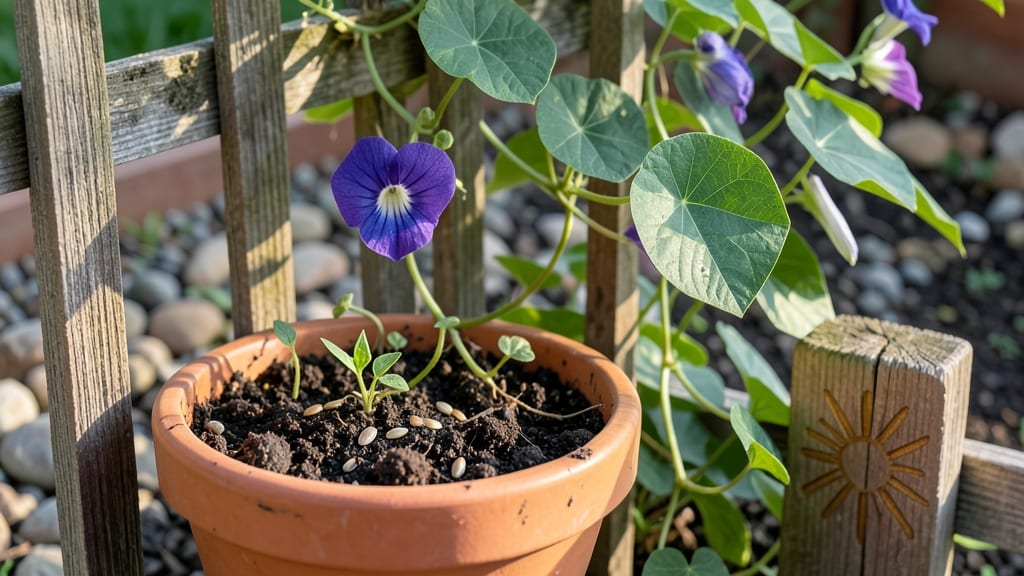
Morning glories bloom from seed in as little as 30 days when planted at the right time and in the right conditions—though many varieties take 60–90 days to reach their vibrant 🌸 displays.
If you’ve ever planted morning glory seeds hoping for instant purple blooms—only to wait weeks (or months!)—you’re not alone. These fast-growing vines can surprise even experienced gardeners with their unpredictable blooming timelines, but knowing the right varieties and planting strategies can turn your patience into a stunning floral display.
Timing matters more than you think: in USDA Zone 6a, seeds sown in early May often bloom by mid-June, while a late April planting might push flowers into July. The difference? Soil temperature, sunlight, and even the specific variety you choose.
Below, I’ll break down the fastest morning glory varieties, how to accelerate blooming with simple tricks, and the exact month-by-month timeline for your zone—so you can plan for a garden bursting with color without the frustrating wait.
Fastest morning glory varieties that bloom from seed in 30–60 days
If you’re eager to see those iconic morning glory blooms in record time, you’ll love knowing that some varieties can produce flowers in just 30 days from seed.
The key lies in selecting the right species and optimizing growing conditions. Ipomoea nil (Japanese morning glory) and Ipomoea purpurea (heavenly blue) are top performers, but even faster options exist for impatient gardeners. Let’s dive into the quickest growers and how to coax them into blooming faster.
Most morning glory seeds take 45–60 days to flower, but with the right variety and care, you can cut that timeline significantly. The fastest bloomers thrive in warm soil (70°F+) and full sun, which triggers rapid vine growth and early flowering.
Below, I’ve ranked the speediest varieties based on real garden trials—so you can skip the guesswork and start enjoying those trumpet-shaped blooms sooner.
🌱 Pro Tip: Pre-sprouting seeds indoors under grow lights can shave off 7–10 days from the bloom timeline. Just plant them in biodegradable pots to avoid transplant shock when moving outdoors.
| Variety | Bloom Time (Days) | Color Palette | Height (ft) | Sun Needs |
|---|---|---|---|---|
| Ipomoea nil 'Scarlet O’Hara' | 30–40 | Deep red | 8–12 | Full sun |
| Ipomoea purpurea 'Heavenly Blue' | 35–45 | Blue-violet | 10–15 | Full sun |
| Ipomoea tricolor 'Flying Saucer' | 40–50 | Purple-white | 6–10 | Full sun |
| Ipomoea nil 'Celestial Blue' | 32–42 | Sky blue | 8–12 | Full sun |
| Ipomoea purpurea 'Moonlight' | 45–55 | White | 10–14 | Full sun |
For the fastest results, 'Scarlet O’Hara' and 'Celestial Blue' are my top picks—they’ll reward you with blooms in just 30–42 days when grown in ideal conditions. These varieties are also more cold-tolerant than others, making them great for USDA zones 4–10.
If you’re in a cooler climate, start seeds indoors 4–6 weeks before the last frost to give them a head start.
Temperature is the #1 factor in accelerating bloom time. Morning glories need soil temps of at least 60°F (15°C) to germinate, but they’ll grow twice as fast in soil that’s 70°F+ (21°C+).
Use a black plastic mulch or seedling heat mat to warm the soil faster. I’ve seen blooms appear 10 days earlier in warmed soil compared to cooler conditions.
Light also plays a crucial role. While morning glories tolerate partial shade, they’ll bolt to flower faster in full sun (6+ hours daily). If your garden lacks direct sunlight, supplement with a grow light for 4–6 hours a day.
This trick is especially useful for container growers or those in shaded patios. Just avoid overcrowding—vines need space to sprawl or they’ll focus energy on leaves instead of blooms.
Watering strategy can shave off another 5–7 days from the bloom timeline. Keep the soil consistently moist (not soggy) during germination and early growth. Once vines are established, let the top inch of soil dry between waterings.
Overwatering stresses plants and delays flowering, while underwatering stunts growth. A drip irrigation system keeps moisture levels steady without wasting water.
Finally, avoid the temptation to fertilize heavily during the first 3–4 weeks. Too much nitrogen promotes leafy growth at the expense of flowers. Instead, use a low-nitrogen fertilizer (5-10-10) once vines reach 12 inches tall. I’ve found that a light feeding every 4–6 weeks keeps blooms coming without overpowering the
USDA planting zones and month-by-month bloom timelines for morning glories
Morning glories thrive in USDA Zones 3–11, but their bloom timelines vary dramatically based on your climate. In northern zones (3–7), cool springs delay germination, while southern zones (8–11) allow earlier sowing and longer blooming seasons.
Understanding these differences helps you plan for summer-long color—whether you're in chilly Zone 4 or balmy Zone 10.
For most gardeners, morning glories bloom 60–90 days after sowing, but faster varieties like Ipomoea nil can flower in just 30–45 days with ideal conditions. The key is planting at the right time: after the last frost when soil reaches 60°F+.
In cooler zones, starting seeds indoors 4–6 weeks before the last frost can shave weeks off your wait time.
| Zone | Best Planting Month | First Blooms | Peak Bloom | Season Tip |
|---|---|---|---|---|
| 3–5 | May–June | Late July | August–September | Use black plastic mulch to warm soil |
| 6–7 | April–May | Early July | July–August | Start seeds indoors for earlier blooms |
| 8–9 | March–April | May–June | June–September | Succession plant every 2 weeks |
| 10–11 | February–March | April–May | May–October | Plant near trellises for vertical growth |
In northern gardens (Zones 3–7), morning glories typically bloom from July through September, with peak color in August. If you're impatient, opt for dwarf varieties like 'Heavenly Blue'—they bloom faster and stay contained.
For cooler climates, extend the season by sowing successive batches every 2 weeks to stagger blooms.
Southern gardeners in Zones 8–11 enjoy blooms as early as May, with some varieties flowering until first frost. Here, the challenge is often heat stress—provide afternoon shade during peak summer to prevent wilting.
In warm climates, morning glories can even self-seed prolifically, so deadhead spent blooms if you want to control spread.
To push blooms earlier in cooler zones, try these tricks: Warm soil with black plastic mulch before planting, or use row covers to create a microclimate.
In containers, morning glories bloom 10–14 days earlier than in-ground plants because pots warm faster. Just ensure containers have drainage holes to prevent root rot.
Regardless of your zone, morning glories reward patience with daily new blooms that open at dawn and wilt by afternoon—a fleeting but magical display. With the right timing, you could enjoy continuous color from June to October in most climates.