
Blooming
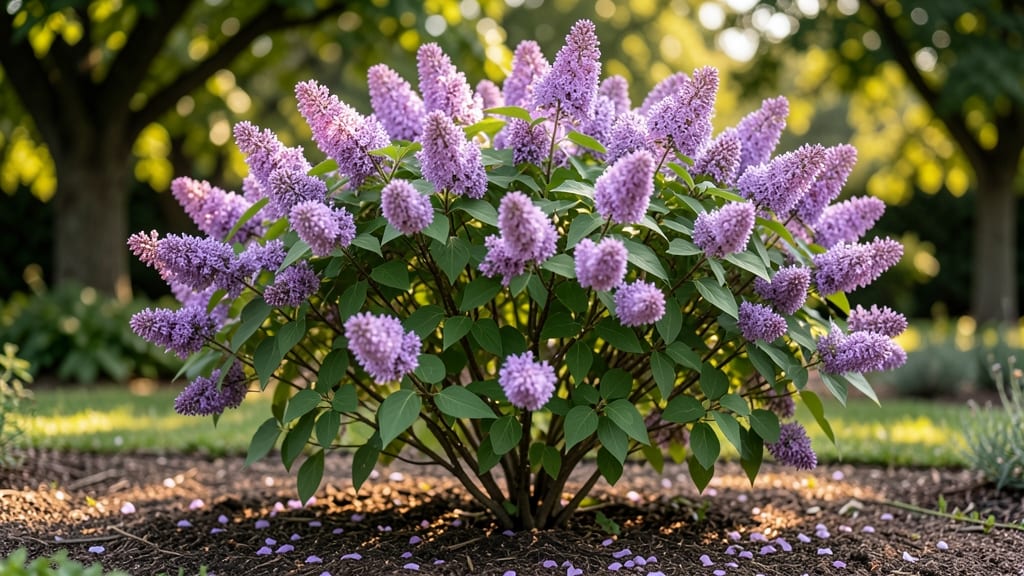
Lilacs bloom in Minnesota between late May and early June, when the air finally warms enough to wake their fragrant buds from winter’s grip.
If you’ve ever caught that intoxicating scent drifting through your yard, you know the magic they bring—but timing is everything. These fragrant blooms follow a precise schedule based on your garden’s hardiness zone, and missing their peak can mean waiting another year for that signature perfume.
In Minnesota’s 4a-5b zones, lilacs typically burst into color within 2-3 weeks after the last frost, though early varieties might surprise you with buds as soon as late April in sheltered spots.
Late frosts, however, can delay blooming by 1-2 weeks, leaving gardeners eagerly checking for those first signs of green.
Below, I’ll break down the exact weeks by zone, how to spot early blooming cues, and simple ways to encourage longer-lasting flowers—so you never miss another season of that sweet, unforgettable fragrance.
Lilac bloom timing in Minnesota by hardiness Zone (exact weeks & months)
Minnesota’s lilacs follow a predictable blooming schedule tied to USDA hardiness zones 3-5, where spring warmth and last frost dates dictate their timing.
In Zone 3 (northern MN), lilacs typically bloom 2-3 weeks later than in Zone 5 (southern MN), making precise planning essential for enjoying their fragrant blooms at their peak.
Your lilacs’ bloom window depends on variety selection, microclimate, and soil temperature. Early bloomers like 'Dwarf Korean' may appear as early as late April in Zone 5, while late varieties like 'Katherine Havemeyer' might not peak until mid-June in Zone 3.
Understanding these variations ensures you’re ready to capture their signature scent and stunning purple-pink clusters.
Last frost dates are the biggest factor—lilacs need consistent warmth above 50°F to trigger blooming. In Zone 4 (central MN), this usually happens around mid-May, while Zone 5 (southern MN) sees blooms as early as early May. A late frost can delay blooming by 1-2 weeks, so monitor local forecasts closely.
| Zone | Early Varieties | Mid Varieties | Late Varieties | Peak Bloom Month | Notes |
|---|---|---|---|---|---|
| Zone 3 | 'Dwarf Korean' (late April) | 'Common Lilac' (early June) | 'Katherine Havemeyer' (mid-June) | May-June | Blooms delayed by late frost |
| Zone 4 | 'Edith' (early May) | 'Sybille' (late May) | 'President Lincoln' (early June) | May-June | Urban areas bloom 1 week earlier |
| Zone 5 | 'Mme. Lemoine' (late April) | 'Beauty of Magenta' (mid-May) | 'Purple Plume' (late May) | April-June | Longest bloom season in MN |
In Zone 3, where winters are harshest, lilacs often bloom 3-4 weeks later than in Zone 5. This delay is due to soil warmth taking longer to reach the 50°F threshold needed for bud break.
If you’re in northern MN, prioritize early-blooming varieties like 'Dwarf Korean' to enjoy fragrance sooner.
For Zone 4 gardeners, the bloom window stretches from late April to early June, with urban areas typically seeing blooms 1 week earlier than rural zones. This microclimate effect is due to heat absorption from buildings and pavement, creating warmer pockets where lilacs thrive sooner.
In Zone 5, the longest bloom season in Minnesota begins as early as late April and can extend into early June. Varieties like 'Mme. Lemoine' are ideal here, offering prolonged fragrance and vibrant blooms.
If you’re in southern MN, you might even catch late-season blooms in September from fall-blooming varieties.
To extend your lilacs’ bloom season, choose a mix of early, mid, and late varieties. For example, plant 'Edith' (early) alongside 'President Lincoln' (late) to enjoy continuous fragrance from May to June.
Additionally, mulching in fall and watering deeply in spring can encourage healthier growth and longer blooming.
Watch for bud swell in early spring—a key sign that blooming is near. If buds swell but no leaves appear, a late frost is likely. In this case, protect your lilacs with frost cloth until temperatures stabilize.
Once blooms open, enjoy their intoxicating scent and stunning color contrasts against fresh green foliage.
For maximum fragrance, cut blooms in the morning after dew dries and place them in a vase with warm water. This preserves their scent and freshness for up to 10 days. If you’re growing lilacs for arrangements
How to predict your lilacs’ bloom time before they even bud
Predicting when your lilacs will bloom in Minnesota is easier than you think—if you know what to watch for. These fragrant shrubs follow predictable cues, like leaf emergence and soil temperature, that reveal their bloom schedule months in advance.
By mastering these early signs, you can plan your garden visits and even extend their flowering season with simple tricks.
One of the first clues is leaf emergence. When your lilac’s buds begin to swell in early spring, it’s a clear signal that blooming is just around the corner. Pair this with soil temperatures consistently above 50°F, and you’ve got a reliable predictor.
Urban gardens may bloom slightly earlier than rural areas due to the heat island effect, so adjust your expectations accordingly.
For proactive gardeners, creating a simple bloom prediction checklist can save you from missing the show. Start by marking the date when your lilac’s buds swell—this usually happens in early April for Minnesota’s Zone 4a and late March for Zone 5b.
Then, add 3 weeks to estimate peak bloom time, but adjust if your area experiences late frosts (common in northern MN).
Another pro tip: Dwarf Korean lilacs often bloom 1-2 weeks earlier than standard varieties, so if you’re growing both, time your garden visits accordingly. To maximize bloom duration, avoid heavy summer pruning, as this can reduce next year’s flowers. Instead, focus on light shaping after the blooms fade.
Don’t forget to account for microclimates in your yard. A south-facing wall or paved surfaces can create a warmer microclimate, causing lilacs near these spots to bloom up to a week earlier than those in open fields.
Use this knowledge to strategically place new lilacs for staggered blooming throughout your garden.
With these predictive hacks, you’ll never miss another lilac season—just follow the cues, adjust for your local conditions, and enjoy those fragrant blooms right on schedule. 🌸