
Blooming
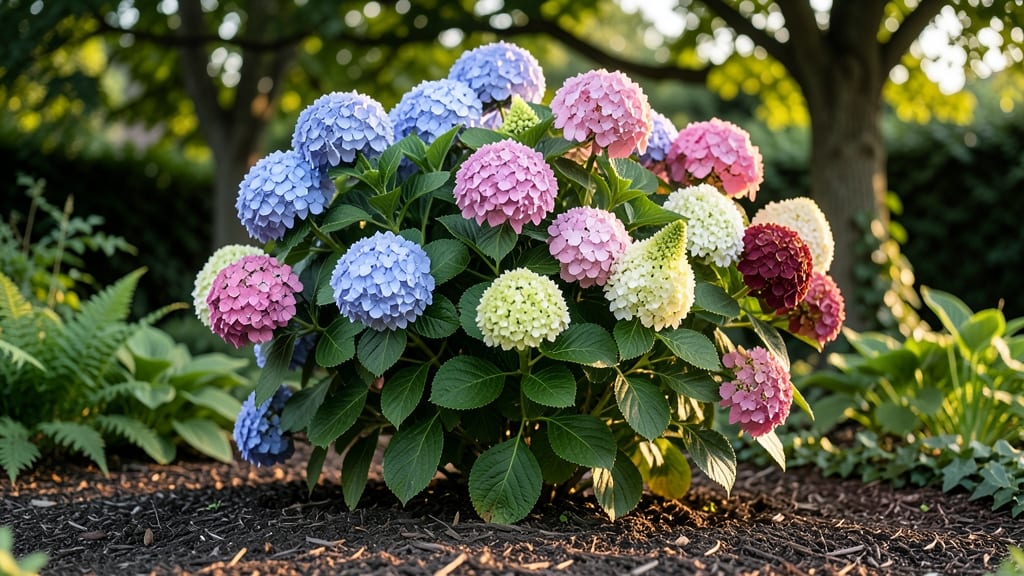
Hydrangeas bloom in Illinois between late May and August, with timing depending on your variety and microclimate—Chicago’s cooler shores may delay flowers by weeks compared to St. Louis’ warmer stretches.
Picture this: You’ve waited all spring, and then—just as the 🌸 buds swell—an unexpected frost nips them back. Or worse, your mophead hydrangea puts on one stunning show in June and then calls it quits for the year.
That’s why knowing exactly when to expect blooms (and how to coax a second flush) is the difference between a one-time floral display and months of color.
In Illinois’ USDA Zones 5-6, bigleaf hydrangeas (like ‘Endless Summer’) typically bloom in June-July, while panicle types (such as ‘Limelight’) stretch their show into August or September.
But here’s the catch: late spring frosts can push blooms back, and summer heat might shorten their lifespan if you don’t adjust care. The good news? With the right pruning and soil tweaks, you can turn a single-season splash into a longer, bolder display.
Below, I’ll break down the month-by-month timeline for Illinois gardens, share the reblooming secrets that work in your zone, and help you pick the best varieties for extended color—no matter whether you’re in Chicago’s chill or southern Illinois’ warmth.
Hydrangea bloom times in Illinois: month-by-month guide for zones 5-6
Illinois’ USDA Zones 5-6 create a unique gardening challenge for hydrangeas, where late spring frosts and summer heatwaves can shift bloom windows dramatically. Unlike coastal regions, Illinois hydrangeas face earlier frost risks in northern areas (like Chicago) and longer heat exposure in southern zones (like St. Louis).
Understanding these regional differences helps you predict—and even extend—your hydrangea’s peak bloom periods.
The key to Illinois hydrangea success lies in recognizing three major varieties: bigleaf (like 'Endless Summer'), panicle (like 'Limelight'), and oakleaf (like 'Pee Wee').
Each has distinct bloom timing, with bigleaf hydrangeas typically flowering on old wood (last year’s growth) while panicle and oakleaf bloom on new wood, giving gardeners more flexibility for pruning and reblooming strategies.
| Variety | Bloom Period (Zones 5-6) | Peak Month | Frost Risk | Regional Note |
|---|---|---|---|---|
| Bigleaf (e.g., 'Endless Summer') | Late May - July (first flush) August - September (rebloom) |
June | High in May (northern IL) | Southern IL blooms 2-3 weeks earlier |
| Panicle (e.g., 'Limelight') | June - August (continuous) | July | Low (new wood blooms) | Chicago areas may see delayed blooms |
| Oakleaf (e.g., 'Pee Wee') | June - September | July-August | Moderate (tolerates heat) | Rural areas bloom longer |
In northern Illinois (including Chicago), hydrangeas typically bloom 2-3 weeks later than southern regions due to cooler spring temperatures.
For example, 'Endless Summer' bigleaf hydrangeas in Zone 5a may not reach peak bloom until mid-June, while St. Louis gardeners in Zone 6b often see flowers by late May. Rural areas with microclimates (like sheltered valleys) can experience earlier blooms by 10-14 days compared to urban heat islands.
Late spring is the critical window for Illinois hydrangea blooms. May frost risks are highest in northern Illinois, where temperatures can dip below 32°F as late as May 15.
To protect bigleaf hydrangeas (which bloom on old wood), cover plants with frost cloth or burlap wraps if a frost is forecasted. Panicle and oakleaf varieties, however, are more resilient since they bloom on new growth, making them better choices for Zone 5 gardens.
By June, most Illinois hydrangeas reach their primary bloom peak. Bigleaf varieties like 'Nikko Blue' and 'Allure' shine brightest during this month, while panicle types such as 'Little Lime' and 'Bobo' continue to develop conical flower heads.
This is also when reblooming potential becomes visible—if you’ve pruned correctly in late winter, you may see secondary buds forming for a late summer flush.
July and August bring the second bloom opportunity for reblooming hydrangeas. In southern Illinois, temperatures often stay warm enough to support extended flowering through September. However, northern Illinois gardeners may see blooms fade by mid-August due to earlier cooling.
To maximize late-season color, deadhead spent blooms in July and avoid heavy pruning—this encourages the plant to redirect energy toward new flowers rather than seed production.
Understanding your local last frost date is key to timing hydrangea care. In
How to extend hydrangea blooming season in Illinois with reblooming hacks
If your Illinois hydrangeas put on a stunning show in early summer but fade too soon, you’re not alone! Most varieties bloom just once, but with the right reblooming hacks, you can coax second flushes that last well into fall.
The key lies in understanding your hydrangea variety and Illinois’ climate quirks—like late frosts and summer heatwaves—that can sabotage blooms. Let’s unlock the secrets to longer bloom seasons without sacrificing plant health.
First, identify your hydrangea type: bigleaf (like ‘Endless Summer’), panicle (like ‘Limelight’), or oakleaf (like ‘Pee Wee’). Reblooming varieties are your best bet, but even once-blooming types can be tricked into secondary blooms with precise timing.
Illinois’ USDA Zones 5-6 mean you’ll need to protect early blooms from late frosts (often until mid-April) and shield summer flowers from heat stress after July. Here’s how to beat the odds.
- 1 Deadhead strategically after first bloom: Snip spent flowers just above the 5th leaf from the top of the stem. For bigleaf hydrangeas, do this by late July to encourage reblooming buds. Panicle types can be pruned later (up to August).
- 2 Adjust soil pH for color control: For blue flowers, aim for pH 5.5–6.0 (add sulfur or pine needles). For pink blooms, raise pH to 6.5–7.0 with lime. Test soil in early spring and amend before buds form.
- 3 Prune for Illinois climate: Cut back last year’s growth by 1/3 in late winter (before buds swell). Avoid heavy pruning in fall—it stresses plants before winter dormancy. Panicle hydrangeas can handle harder pruning (up to half the plant).
- 4 Protect from late frosts: Cover young blooms with frost cloth if temps dip below 28°F after April 15. In northern Illinois, wait until May 1 to remove covers. Mulch heavily (3–4 inches) in fall to insulate roots.
- 5 Fertilize in 2 phases: Feed balanced fertilizer (10-10-10) at spring green-up and again after deadheading (late July). Avoid high-nitrogen fertilizers in summer—they promote leafy growth over blooms. Water deeply after fertilizing to prevent root burn.
Don’t overlook watering habits—Illinois summers can turn hydrangea blooms crispy if you’re not consistent. Aim for 1–2 inches of water weekly, delivered at the base of the plant in the morning to reduce evaporation.
Mulch with wood chips to retain moisture and regulate soil temperature. I’ve seen second blooms thrive when plants stay evenly hydrated, even during 90°F heatwaves.
For extra-long blooms, consider planting panicle hydrangeas like ‘Little Lime’ or ‘Vanille Fraise’—they’re heat-tolerant and often rebloom into October. Pair them with oakleaf varieties (like ‘Snow Queen’) for fall foliage color that lasts until frost.
In southern Illinois, where summers are hotter, these types outperform bigleaf hydrangeas for extended seasonal interest.
Finally, embrace patience and observation. Some years, Illinois’ weather won’t cooperate—drought or early cold snaps can cut blooms short. But with these reblooming hacks, you’ll maximize your hydrangea’s potential and enjoy months of color instead of weeks.
Start with one plant this season, test the techniques, and expand next year. Your future self (and your neighbors!) will thank you for the show-stopping display.