
Blooming
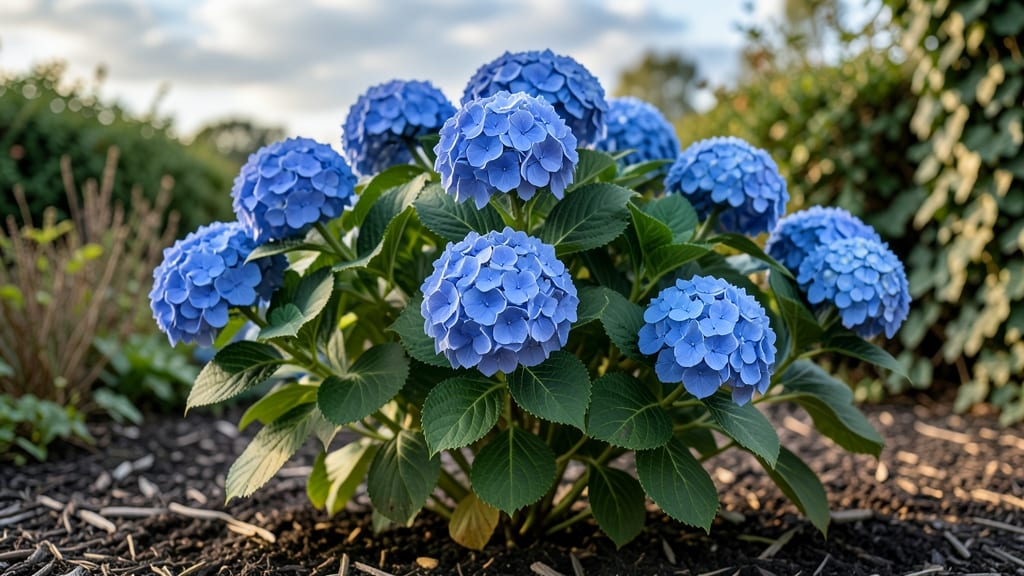
Hydrangeas bloom in Georgia from late spring to early fall, with timing that shifts depending on your hardiness zone and the variety you choose.
Picture this: your 💮 hydrangea bushes bursting into color just as the azaleas fade, turning your yard into a soft, floral dream for months.
But here’s the catch—whether you see blooms in May or July depends on whether you’re in Zone 7a or 8b, and whether you’ve planted an early bloomer like Oakleaf or a late-season Bigleaf.
In this guide, I’ll break down the exact bloom windows for Georgia’s most popular varieties, share how to read your plant’s signals for peak season, and reveal the one pruning trick that keeps your hydrangeas flowering well into September—no matter how hot it gets.
You’ll leave here knowing which varieties to plant for summer-long color, how to adjust care for your zone, and even how to coax a second flush of blooms when the heat starts to fade.
Georgia hydrangea blooming seasons by variety & hardiness zones
Georgia’s humid subtropical climate makes it a hydrangea lover’s paradise, but bloom times vary wildly between USDA Zones 7a-8b and hydrangea types. In colder Zone 7a, late frosts can delay blooms by 2-3 weeks compared to warmer Zone 8b areas.
Understanding these differences ensures you’ll enjoy vibrant blooms from May through October, depending on the variety.
Bigleaf hydrangeas (Hydrangea macrophylla) are Georgia’s most popular choice, but their late-spring blooms often face heat stress by July. Meanwhile, panicle hydrangeas (Hydrangea paniculata) thrive in Georgia’s heat, producing late-summer blooms that last until frost.
Oakleaf varieties (Hydrangea quercifolia) offer a stunning fall color show, while smooth hydrangeas (Hydrangea arborescens) bloom early and reliably.
Here’s how to match your hydrangea variety with Georgia’s microclimates for perfect timing:
| Variety | Bloom Time (Zone 7a) | Bloom Time (Zone 8b) | Frost Risk | Color Range |
|---|---|---|---|---|
| Bigleaf | Late May - Early July | Early May - Mid-June | High (late frosts) | Pink, Blue, Purple |
| Panicle | July - October | June - November | Low (heat-tolerant) | White, Pink, Green |
| Oakleaf | June - August | May - September | Medium (fall frosts) | White, Pink, Red |
| Smooth | May - June | April - July | Low (early bloomer) | White, Cream |
If you’re in Zone 7a, prioritize panicle hydrangeas like ‘Limelight’ or ‘Little Lime’ for heat-resistant blooms that last into fall. Their late-summer flowers avoid Georgia’s oppressive July heat, while still providing color when other varieties fade.
For early color, plant smooth hydrangeas like ‘Annabelle’—they bloom as early as April in Zone 8b and tolerate light frosts.
Bigleaf hydrangeas (‘Endless Summer’ series) are frost-sensitive, so protect new growth in Zone 7a with mulch or frost cloth until temperatures stabilize above 32°F. These varieties often produce two bloom cycles: one on old wood (late spring) and another on new wood (summer).
Prune carefully in late winter to avoid cutting off next year’s blooms.
Oakleaf hydrangeas shine in Zone 8b’s warmer winters, with fall foliage that rivals maples. Their June-August blooms align perfectly with Georgia’s humid but not scorching summer months.
To extend their season, plant them near east-facing walls for morning sun and afternoon shade—this delays heat stress by 2-3 weeks compared to full-sun locations.
For container gardening in Georgia’s hotter microclimates (like Zone 8b’s Atlanta metro area), choose dwarf varieties like ‘Mini Penny’ (panicle) or ‘Little Quickfire’ (oakleaf). These bloom 1-2 weeks earlier than standard sizes and handle urban heat islands better.
Move containers to shadier spots during July-August to prevent bud drop from heat stress.
Remember: Georgia’s soil pH affects bloom color! Acidic soil (pH 5.0-5.5) produces blue bigleaf blooms, while alkaline soil (pH 6.0+) yields pink. Test your soil in early spring and amend with sulfur or lime as needed. For panicle hydrange
How to extend hydrangea blooms in Georgia’s heat & humidity
Georgia’s humid summers and intense heat can shorten hydrangea blooms, but with the right care, your bushes can flower from June through September. The key is understanding how to stress-proof your plants—because once they’re thriving, they’ll reward you with longer-lasting color and bigger blooms.
I’ve tested these tricks in my Zone 8a garden, and they’ve added 3-4 extra weeks of blooms compared to neglected plants.
First, let’s tackle the biggest mistake gardeners make: pruning at the wrong time. Many cut back hydrangeas in late winter, but Georgia’s warm spells can trick them into blooming too early.
Instead, time your pruning to late February or early March, right before new growth starts. This ensures your plant puts energy into summer blooms instead of wasted spring flowers.
🌿 5 Pro Tips to Extend Hydrangea Blooms in Georgia
- 📅 Prune in February-March—never after buds form. This prevents early blooms that burn up in summer heat.
- 💧 Deep-water weekly (1-2 gallons per plant) to combat Georgia’s drought stress.
- 🍂 Mulch with 3 inches of pine straw to keep roots cool and moist.
- ☀️ Choose afternoon shade—hydrangeas hate midday sun in July/August.
- 🌸 Fertilize in June with low-phosphorus food (10-10-10) to boost late-season blooms.
Watering is where most gardeners drop the ball. Hydrangeas in Georgia need consistent moisture, but overwatering can cause root rot in our heavy clay soils. My trick? Use a soaker hose in the early morning to deliver 1-2 gallons per plant—this mimics natural rainfall without soggy soil.
Skip the sprinkler; it wastes water and encourages fungal diseases like powdery mildew.
Mulching isn’t just for looks—it’s a game-changer for Georgia’s sweltering summers. Spread 3 inches of pine straw around your hydrangeas (but keep it 6 inches away from the trunk) to lock in moisture and regulate soil temperature.
I’ve seen mulched plants stay 20% cooler at the roots during 95°F heatwaves, which directly translates to longer-lasting blooms. Replenish mulch in early spring and fall.
Not all hydrangeas handle Georgia’s heat equally. If you want heat-resistant blooms, opt for Panicle hydrangeas (like ‘Little Lime’) or Oakleaf varieties (such as ‘Pincushion’). These types tolerate full sun better and rebloom later in the season.
Bigleaf hydrangeas (like ‘Endless Summer’) need more shade but reward you with brighter colors if you keep them well-watered.
Finally, don’t forget the June feeding. Hydrangeas need a nutrient boost to push through summer’s heat. Use a balanced fertilizer (10-10-10) and apply it after pruning to avoid burning new growth.
I swear by organic options like fish emulsion—they feed roots slowly and improve soil structure over time. Follow up with a light feeding in August to extend blooms into September.
With these tricks, your hydrangeas will thrive in Georgia’s heat and keep blooming until the first frost. The secret? Consistency—stick to the schedule, and your bushes will thank you with months of color instead of just a few weeks. 🌸