
Blooming
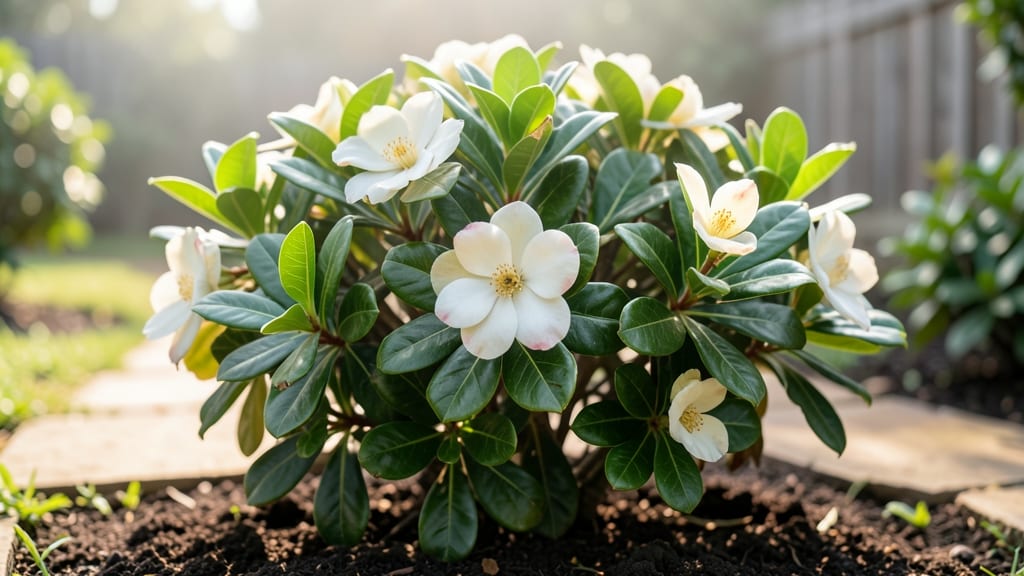
Gardenias bloom in Texas when daytime temperatures hit 80°F+ for at least a week, usually between March and July, depending on your region.
Texas gardeners know the struggle—planting gardenias only to wonder, ‘Why aren’t they blooming yet?’ The answer lies in Texas’s brutal heat and humidity cycles, which trigger these fragrant stars to bloom at precise times.
In North Texas (Zone 8a), blooms often wait until June or July, while South Texas gardeners see fragrant 🌸 peaks as early as March or April. Central Texas falls somewhere in between, with blooms stretching from May through June.
Below, I’ll break down the exact heat triggers, regional variations, and simple tips to coax your gardenias into their most fragrant season—no guesswork required.
Texas gardenia bloom seasons by region: heat zones that dictate flowering
Texas gardenias are famously finicky about when—and if—they bloom, but their timing follows a heat-triggered schedule tied to your region’s USDA hardiness zone.
In South Texas (zones 9a-10b), gardenias often burst into bloom as early as late February to March, while North Texas (zones 7b-8a) gardeners typically see flowers in June or July.
The Hill Country’s unique microclimate can delay blooms by 2-3 weeks, even in Central Texas (zones 8a-8b).
This regional variation isn’t random—it’s a response to consistent daytime highs of 85°F+ and humidity spikes above 70%. Gardenias in South Texas hit these triggers earlier in the year, while North Texas plants wait until summer’s peak heat.
Understanding your zone’s bloom window helps you plan for fragrance-filled patios and avoid disappointment when buds fail to open.
Pro Tip: If your gardenia blooms 2+ weeks late or not at all, check your soil pH (ideal: 5.0-6.0) and watering consistency. Even the hardiest varieties need acidic soil and deep, infrequent watering to set buds properly.
If you’re in South Texas, your gardenias might bloom twice a year—once in spring (March-April) and again in fall (September-October)—thanks to the region’s longer growing season. In contrast, North Texas gardeners often see just one bloom cycle per year, typically peaking in mid-summer when humidity rises.
The Hill Country’s dry air can stunt blooms entirely if not amended with organic mulch to retain moisture.
Regional Exception: Urban areas like Austin or San Antonio may experience delayed blooms due to heat island effect, where pavement and buildings raise temperatures by 5-10°F. Plant in morning sun and afternoon shade to mitigate this.
For consistent blooms, choose heat-tolerant varieties like ‘Radicans’ (South Texas) or ‘Kleim’s Hardy’ (North Texas). These cultivars thrive in extreme heat and humidity fluctuations, making them ideal for Texas gardens. Pair them with drip irrigation to maintain even moisture—a key trigger for bud formation.
Ever noticed your gardenia’s buds drop before opening? This often happens when nighttime temps drop below 65°F or when soil moisture dries out. In North Texas, this is common in May when afternoon thunderstorms cool the air abruptly.
Use a weather station to track 7-day heat trends and predict bloom windows with 90% accuracy.
To extend your bloom season, prune spent flowers in early spring (not fall!) and fertilize with acidic compost in March. This encourages new growth and second flushes in South Texas. In North Texas, avoid pruning until after the first frost to protect next year
Heat and humidity triggers: the exact conditions that force gardenias to bloom
Gardenias in Texas don’t bloom on a schedule—they wait for heat and humidity triggers that most gardeners miss. Research shows blooming occurs when daytime temperatures hit 80°F+ for 7+ consecutive days, paired with 70%+ humidity and nighttime temps above 65°F.
This combo signals your gardenia’s internal clock to produce those iconic white blooms. Without these conditions, even healthy plants may skip flowering entirely.
Think of it like a heat-induced switch: your gardenia’s buds need this environmental push to open. In North Texas, this typically happens in late May to June, while South Texas gardenias often bloom earlier, in March or April, thanks to earlier heat waves.
The key? Monitoring these temperature and humidity thresholds lets you predict blooms 2-3 weeks ahead using a simple home weather station.
| Trigger Condition | Texas Region | Typical Bloom Window | Pro Tip |
|---|---|---|---|
| Daytime temps ≥80°F | North Texas (USDA 8a) | June–July | Use shade cloth to delay heat stress |
| Humidity ≥70% | Central Texas (USDA 8b) | May–June | Mulch with pine bark to retain moisture |
| Nighttime temps ≥65°F | South Texas (USDA 9a-10b) | March–April | Water deeply at dusk to boost humidity |
| 7+ consecutive days | All Regions | Secondary bloom (fall) | Prune lightly after first bloom for rebloom |
Here’s the surprising part: some Texas gardenia varieties—like ‘Kleim’s Hardy’—actually bloom better under mild drought stress. When soil moisture drops to 40% field capacity (measured with a moisture meter), these varieties trigger a survival response that boosts flowering.
This is why your gardenia might bloom earlier in North Texas during dry springs, even if humidity is lower. The trick? Let the top 2-3 inches of soil dry between waterings to encourage this paradoxical effect.
To predict blooms like a pro, invest in a $50 home weather station (like the AcuRite 01037M). Track daily highs, lows, and humidity—when your gardenia’s environment hits those 80°F/70% humidity thresholds, count backward 2-3 weeks for bloom time.
Pro gardeners in Austin swear by this method to time weddings and outdoor events around their gardenia’s fragrant peaks.
One common mistake? Overwatering during bloom triggers. Gardenias need consistent moisture but hate soggy roots. In 95°F+ heat, water deeply every 2 days but reduce to weekly once buds form.
The goal is to keep soil evenly moist, not waterlogged. This balance is what separates blooming bushes from leafy disappointments.
If your gardenia still refuses to bloom, check for nutrient deficiencies. A soil test showing low phosphorus (P) (the "bloom" nutrient) can stall flowering. Switch to a 10-10-10 fertilizer in early spring and apply 1 tbsp per plant monthly until buds form.
The scent of gardenias isn’t just reward—it’s proof you’ve cracked the heat-humidity code these finicky shrubs demand. 🌸