
Blooming
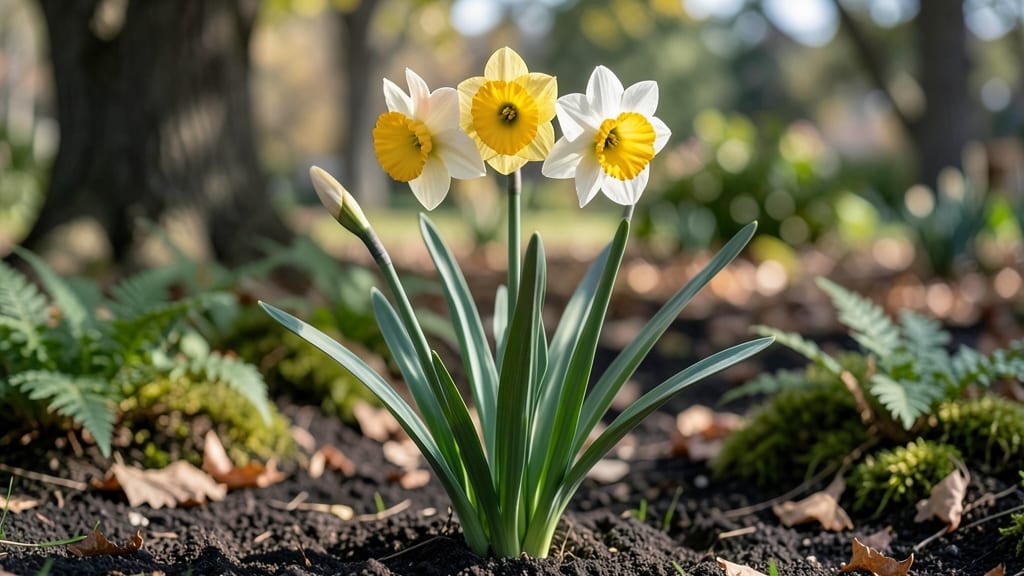
Daffodils in Michigan typically bloom between late March and early May, with frost-resistant varieties pushing through snow as early as February in warmer southern regions.
Michigan gardeners know timing is everything—plant too early, and daffodils risk frost damage; too late, and they may miss the spring show entirely. Understanding the frost-resistant bloom stages of daffodils helps you align planting with Michigan’s unpredictable climate for vibrant, reliable blooms every year.
This year’s bloom window could shift by three weeks depending on whether winter was mild or harsh. For example, in USDA Zone 5b (northern Michigan), expect blooms around mid-April, while southern Michigan’s Zone 6b often sees flowers as early as late March.
Below, I’ll break down the exact stages to watch for, how to adjust planting for your region, and which varieties thrive in Michigan’s short but intense growing season.
Michigan daffodil bloom timeline: frost-resistant stages by region
Michigan’s daffodils bloom in stages, with frost-resistant varieties pushing through snow and ice as early as late March in southern regions. However, late frosts between April 15–May 15 can delay or damage blooms, especially in USDA Zones 5b-6b.
Understanding your region’s bloom window ensures you plant the right varieties for reliable spring color.
In southern Michigan (e.g., Detroit, Ann Arbor), daffodils often bloom from mid-April to early May, while northern regions (e.g., Traverse City, Upper Peninsula) see blooms 2–3 weeks later. The Upper Peninsula may not see full blooms until early to mid-May, depending on snow cover and soil temperature.
Critical temperature thresholds for daffodils include 32°F (0°C) for bulb survival and 28°F (-2°C) for bloom protection. Late frosts after buds emerge can blacken petals, but hardy varieties like ‘Ice Follies’ or ‘Tête-à-Tête’ often recover.
| Region | Avg. Bloom Start | Peak Bloom | Frost Risk Window | Hardiness Notes |
|---|---|---|---|---|
| Southern MI (Detroit, Ann Arbor) | Late March–Early April | Mid-April–Early May | April 15–May 5 | Zone 6b; minimal frost after April 15 |
| West MI (Traverse City, Grand Rapids) | Early April–Mid-April | Late April–Early May | April 20–May 10 | Zone 6a; occasional late frosts |
| Upper Peninsula (Marquette, Houghton) | Mid-April–Early May | Early–Mid May | May 1–May 15 | Zone 5b; heavy snow cover delays blooms |
To protect emerging buds from late frosts, plant early-blooming varieties in sheltered microclimates, like near south-facing walls or under lightweight row covers. In Zone 5b (Upper Peninsula), consider late-blooming varieties like ‘Canary Bird’ or ‘Minnow’ to avoid frost damage entirely.
Layered planting is a smart strategy: mix early bloomers (e.g., ‘February Gold’) with late bloomers (e.g., ‘Peach Sorbet’) to extend your daffodil season by 4–6 weeks. This ensures color from late March to early June, even with Michigan’s unpredictable weather.
Monitor your local Michigan State University Extension frost forecasts for real-time updates. In 2023, for example, a late-April frost in Detroit delayed blooms by 10–14 days for some gardeners. Using frost-hardy varieties and mulching with straw or leaves can mitigate these risks.
If you’re in Zone 6b (e.g., Detroit or Kalamazoo), you can push the envelope with early planting in September to encourage earlier blooms. However, avoid planting after mid-October, as bulbs need 6–8 weeks to establish roots before winter.
For container gardening in cold climates, use insulated pots or move containers to protected locations (e.g., against a garage wall) during late frosts. This can advance bloom times by 1–2 weeks compared to in-ground plantings.
Remember: Daffodil foliage needs 6–8 weeks after blooming to replenish energy for next year. Don’t cut back leaves until they yellow naturally, or you’ll weaken future blooms. This is especially critical in Michigan’s short growing season.
Optimal planting window for Michigan daffodils: when to plant for spring blooms
Michigan’s clay-heavy soils and unpredictable frost dates demand precise timing for daffodil planting. The ideal window is late September through October, when soil temps drop below 60°F but before ground freezes. This ensures roots establish before winter while avoiding winter heaving—when bulbs push up from freezing/thawing cycles.
Fall planting gives daffodils a 6-8 week head start to develop roots, making them resilient to Michigan’s late spring frosts (often hitting April 15–May 15). Spring planting is possible but riskier—bulbs planted in March may bloom 2-4 weeks later and struggle in heavy clay without proper soil amendments.
🌱 Michigan Daffodil Planting Countdown
- 1. Late August–Early Sept: Prep soil with compost to break up clay; avoid fresh manure.
- 2. Mid-Sept: Plant 6-8" deep, 6" apart in full sun (6+ hours/day).
- 3. Oct 1–15: Last chance for northern Michigan (UP); mulch with 2" straw to insulate.
- 4. Nov: Cover bulbs with 12" of mulch if ground isn’t frozen; prevents winter heaving.
- 5. March (spring backup): Plant as soon as soil thaws; expect delayed blooms.
📅 Pro Tip: Check your county’s last frost date (e.g., Detroit: April 15, Traverse City: May 1) and plant 6 weeks prior.
Michigan’s clay soils need extra prep to prevent waterlogging, which rots bulbs. Amend beds with sand or perlite (20% mix) to improve drainage, and avoid compacting soil after planting. A 2-inch layer of mulch (straw or shredded leaves) after planting insulates roots and suppresses weeds—critical in Michigan’s humid springs.
For spring planting (March), choose smaller bulbs (size 12–14) to reduce heaving risk, and plant in raised beds if your yard has heavy clay. Water deeply after planting to encourage root growth, but avoid overwatering—daffodils hate soggy soil. Expect blooms 4–6 weeks later than fall-planted varieties.
Timing isn’t just about months—it’s about soil temperature. Use a soil thermometer to confirm temps are below 60°F before planting in fall. In southern Michigan, this often aligns with early October, while northern regions (UP) may need to plant by mid-September.
Adjust for early freezes by planting 2–3 weeks earlier in exposed areas.
Remember: Patience pays off. Daffodils planted in fall may not bloom until year two, but once established, they’ll reward you with low-maintenance color for decades. Mark your calendar now—September 15–October 15 is your best shot at Michigan-grown daffodils that outshine the snow! 🌼