
Blooming
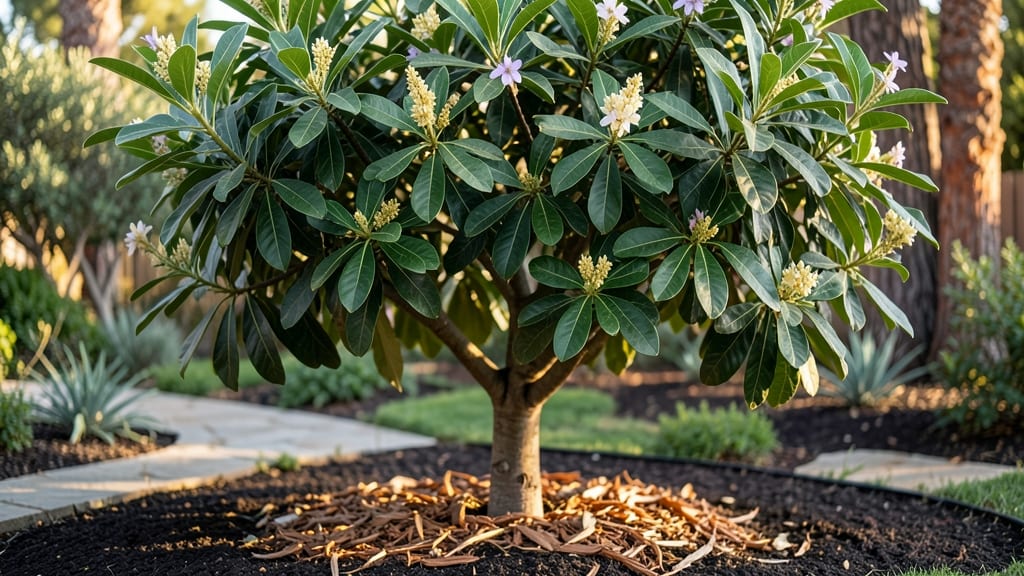
Avocados in Florida bloom in late winter through early spring 🥑 — a window that shifts slightly depending on your heat zone and the variety you’re growing.
If you’ve ever waited months for those first white flower clusters only to see them drop without setting fruit, you’re not alone. Florida’s warm climate actually complicates timing—too hot too soon, and blooms abort; too cool, and they never kick off at all.
Below, I break down the exact bloom schedules for Hass, Reed, and Choquette varieties across Florida’s zones, plus the three key factors that trigger flowering—temperature, daylight, and water stress—so you can align your care with nature’s calendar.
You’ll also learn how to spot blooms early, when to hand-pollinate for better fruit set, and why pruning in fall (not spring) sets up a healthier bloom cycle the following year.
Florida avocado bloom timing by heat zone: what to plant when
Understanding Florida avocado bloom timing starts with recognizing how USDA heat zones influence flowering. Florida spans zones 8A-10B, creating microclimates where Hass avocados might bloom in February in zone 10B but wait until April in cooler zone 8A. These differences affect fruit production windows and harvest readiness.
Avocados are Type A or Type B bloomers, meaning some varieties flower in late winter while others wait for early summer.
In Florida, this translates to two primary bloom seasons: spring (March-May) and a secondary fall bloom (September-October) in warmer zones. Temperature triggers between 60°F-75°F kickstart flowering, with consistent warmth being critical.
Here’s how Florida’s heat zones break down bloom timing for popular varieties:
| Heat Zone | Peak Bloom Window | Hass Variety | Reed Variety | Choquette Variety | Temp Trigger |
|---|---|---|---|---|---|
| Zone 8A | April-May | Late bloomer (May-June) | April-May | May-June | 65°F+ for 3+ weeks |
| Zone 9A | March-April | March-April | March-April | April-May | 68°F+ for 2+ weeks |
| Zone 9B | February-March | February-March | February-March | March-April | 70°F+ for 1+ week |
| Zone 10A | January-February | January-February | January-February | February-March | 72°F+ (year-round risk) |
| Zone 10B | December-January | December-January | December-January | January-February | 75°F+ (year-round blooms) |
*Bloom windows may shift 2-4 weeks with early/late freezes or heatwaves.
In Zone 8A, where cold snaps can delay blooming, Reed avocados often outperform Hass varieties because they tolerate cooler temperatures. Meanwhile, Zone 10B growers enjoy year-round blooming potential, though fall blooms typically produce smaller fruit due to shorter daylight.
For Hass avocados, the golden rule is to plant Type A and Type B varieties together—this ensures cross-pollination and better fruit set.
In Florida, Type A (e.g., Hass) blooms in spring, while Type B (e.g., Reed) follows in summer, creating a continuous pollination chain.
Watch for temperature fluctuations—a sudden drop below 50°F can shock flowers off the tree. In Zone 9A-10B, I’ve seen secondary blooms triggered by light rains after a dry spell. Mulching with wood chips helps stabilize soil temps and reduce stress during bloom.
If you’re planting new avocado trees, aim for spring planting (February-April) in cooler zones or fall planting (September-October) in warmer zones.
Young trees need 2-3 years to mature enough for first blooms, so patience is key. Prune lightly in late winter to encourage airflow and sunlight to developing flowers.
Pro tip: Use a thermometer to monitor canopy temperatures—avocados bloom best when daytime highs hit 75°F-85°F and nighttime lows stay above 60°F. In Zone 10B, I’ve had success with shade cloth during summer blooms to prevent flower drop from heat stress.
Timing your fertilizer applications matters too. Apply balanced fertilizer (e.g., 6-6-6 NPK) in early spring to fuel bloom development, then switch to low-nitrogen fertilizer once flowers appear to promote fruit growth over foliage. Zinc and magnesium sprays can also boost bloom health in nutrient-poor soils.
Finally, keep an eye out for <
How to trigger avocado blooming in Florida: pollination & care tips
Florida’s avocado trees typically bloom between late winter and early spring, with peak flowering around February to April. However, this timing can shift based on temperature fluctuations and tree maturity.
To encourage blooming, focus on three key factors: consistent watering, strategic pruning, and proper pollination. Avocados are Type A or Type B flowers—meaning they need cross-pollination between varieties to produce fruit. Without intervention, your tree might bloom but fail to set fruit.
Start by ensuring your tree receives 6+ hours of full sun daily and well-draining soil. Overwatering or poor drainage can stress the tree, delaying blooms. Florida’s humid climate also means fungal diseases like root rot are a risk—always plant in slightly elevated beds with organic mulch.
If your tree is younger than 3 years, it may not bloom at all, as it prioritizes root and canopy growth over fruit production.
🌱 Numbered Highlights: Triggering Avocado Blooms in Florida
- 1. Prune in late winter to remove dead branches and shape the tree. Avoid heavy pruning—focus on opening the canopy for sunlight penetration to flower clusters.
- 2. Hand-pollinate if you have only one variety. Use a soft brush to transfer pollen from Type A to Type B flowers (or vice versa) in the morning when blooms are fresh.
- 3. Fertilize in early spring with a balanced 6-6-6 NPK fertilizer. Add magnesium sulfate (Epsom salt) to prevent nutrient deficiencies that stunt blooming.
- 4. Water deeply weekly but reduce frequency 2 weeks before blooming to signal the tree to focus on flowers, not foliage.
- 5. Protect from pests like avocado lace bugs or scale insects, which sap energy needed for blooming. Use neem oil or horticultural oil as a preventive spray.
One of the biggest mistakes growers make is over-fertilizing with nitrogen in spring. While nitrogen promotes leafy growth, it can delay flowering by encouraging vegetative growth instead.
Use a low-nitrogen, high-phosphorus fertilizer (like 6-12-6) to boost bloom production. Also, avoid pruning during bloom season—this can shock the tree and drop flowers prematurely.
If your avocado tree blooms but fails to set fruit, check for pollen viability. Type A and Type B flowers release pollen at different times—Type A blooms in the morning, while Type B opens in the afternoon.
Planting two compatible varieties (e.g., Hass + Reed) ensures natural cross-pollination. For container-grown trees, hand-pollination is often necessary due to limited pollinator access.
Monitor your tree for stress signs like yellowing leaves or dropping buds, which can indicate overwatering, underwatering, or pest damage. Florida’s unpredictable spring rains can also wash away pollen, reducing fruit set.
If blooms appear but fall off quickly, it may signal poor pollination or environmental stress. Adjust care immediately—healthy trees bloom more reliably and produce better-quality fruit.
With the right care, your Florida avocado tree can bloom annually and yield fruit within 2–3 years. Start with proper pruning, balanced fertilization, and active pollination—these steps will maximize your chances of a successful bloom season. 🌿