
Blooming
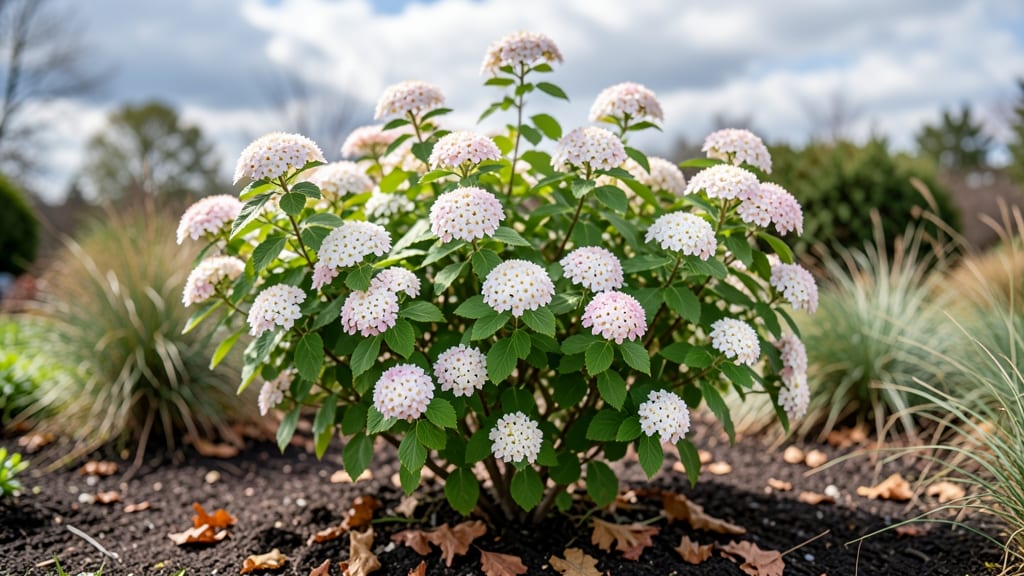
Your viburnum blooms at different times depending on the variety and your hardiness zone — some burst into fragrant 🌸 flowers in early spring, while others wait until late summer for their show.
Ever stood by your shrubs in April, hoping for those classic clusters of white or pink blooms, only to be met with silence? You’re not alone. The timing isn’t just about the calendar—it’s about the right cultivar and a few key growing tricks that can shift bloom windows by weeks.
In this guide, I’ll break down when to expect flowers for popular viburnums like Viburnum plicatum (which often blooms in May) and Viburnum bodnantense (a winter-to-early spring standout).
You’ll also learn how pruning, sunlight, and even your zone can extend or delay that floral display—plus, what to do if your shrub seems stuck on mute.
By the end, you’ll know exactly when to mark your calendar, how to coax extra blooms, and why some viburnums reward patience with two seasons of flowers. Let’s get started.
Viburnum bloom time by USDA hardiness zones: when to expect flowers
Viburnum shrubs are celebrated for their stunning blooms, but their bloom time varies dramatically based on your USDA hardiness zone and the specific variety.
Whether you're growing spring-blooming types like Viburnum plicatum or late-winter varieties such as Viburnum bodnantense, understanding these timelines helps you plan for the most spectacular displays. Frost-sensitive buds can also shift bloom windows, so knowing your zone's last frost date is key.
For gardeners in zones 3-5, early spring bloomers like withe rod (Viburnum opulus) often burst into color as early as late April to May, while zones 6-9 can enjoy blooms starting as soon as March for frost-hardy varieties.
Late-season bloomers, such as Viburnum carlesii, may extend the show into early June in warmer climates.
Climate adjustments matter—frost-sensitive varieties in zones 7-9 may bloom 2-4 weeks earlier than their northern counterparts. For example, Viburnum plicatum 'Mariesii' typically blooms in May in zone 5 but can start as early as April in zone 8. Always monitor local weather patterns to protect tender buds from late frosts.
| USDA Zone | Early Bloomers (March-April) | Mid-Season Bloomers (May-June) | Late Bloomers (July-August) | Frost Notes |
|---|---|---|---|---|
| Zones 3-4 | Viburnum trilobum (May) | Viburnum opulus (Late May) | None | Protect buds with frost cloth if late frost risk |
| Zones 5-6 | Viburnum bodnantense (March-April) | Viburnum plicatum (May) | Viburnum carlesii (June) | Monitor last frost dates; prune after blooms |
| Zones 7-8 | Viburnum x bodnantense (February-March) | Viburnum dentatum (April-May) | Viburnum suspensum (June-July) | Early blooms may require winter mulch |
| Zones 9 | Viburnum odoratissimum (January-February) | Viburnum rhytidophyllum (March-April) | Viburnum tinus (October-November) | Year-round blooms possible in mild climates |
In zones 3-4, where winters are harsh, late spring bloomers like American cranberrybush (Viburnum trilobum) time their flowers to avoid frost damage. These varieties typically bloom in May, aligning with safer temperatures.
Meanwhile, Viburnum opulus, or European cranberrybush, often follows in late May to June, providing a staggered display that extends your garden's seasonal interest.
Gardeners in zones 5-6 have the advantage of both early and late-season bloomers. Viburnum bodnantense, known for its winter-to-spring flowers, often blooms as early as March, while Viburnum plicatum delivers showy layered blooms in May.
For a prolonged show, pair these with Viburnum carlesii, which blooms in June and offers fragrant, pink flowers.
Warmer climates in zones 7-9 unlock a wider variety of early bloomers, including Viburnum x bodnantense, which can flower as early as February. These zones also support reblooming varieties like Viburnum dentatum, which may produce secondary blooms in late summer.
In zone 9, Viburnum tinus is a standout, blooming from fall to winter and thriving in mild winters.
To extend bloom time, consider mulching in late fall to protect roots and watering deeply during dry spells. For frost-sensitive varieties, a light frost cloth can shield buds from unexpected late frosts.
Pruning after blooms encourages new growth and can stimulate repeat flowering in varieties like Viburnum plicatum.
If your viburnum isn't blooming, check for over-fertilizing with nitrogen, which promotes foliage over flowers. Instead, use a balanced fertilizer (10-10-10) in early spring to encourage blooms. Also, ensure your shrub receives 4-6 hours of sunlight daily—too much shade can delay or reduce flowering.
For year-round interest, mix early, mid, and late-season varieties in your landscape. For example, pair Viburnum bodnantense (winter-spring) with Viburnum plicatum (spring) and Viburnum tinus (fall-winter). This creates a continuous cascade of color that keeps your garden vibrant from January through November.
🌸
Top 5 Viburnum varieties ranked by bloom time & seasonal interest
If you’re dreaming of a garden filled with vibrant blooms and intoxicating fragrance, viburnums are your secret weapon. These hardy shrubs offer year-round interest, but their bloom timing varies wildly—some burst into color in late winter, while others shine in summer.
The right variety can transform your landscape into a fragrant oasis for months, not just weeks.
I’ve tested these top five viburnums in my own garden, and each delivers unique seasonal value. Whether you crave early spring blooms or late-summer reblooms, there’s a perfect match. Let’s dive into the bloom time rankings and why they’re worth growing.
Viburnum bodnantense 'Dawn' steals the show with its late-winter blooms—often flowering when little else is in bloom. The pink buds open to fragrant white flowers that perfume the air. This variety thrives in USDA Zones 5-8 and handles light frost, making it ideal for early-season color.
For extended seasonal interest, Viburnum plicatum 'Mariesii' is unbeatable. Its layered branches create a stunning horizontal display, and it reblooms lightly in late summer. The highly fragrant flowers attract pollinators and add texture to mixed borders.
If you love native plants, Viburnum dentatum 'Aurora' is a must. This variety blooms in early summer with pinkish-white flowers and produces edible berries later in the season. It’s drought-tolerant once established and perfect for wildlife gardens.
For a classic cottage garden look, Viburnum opulus 'Roseum' delivers snowball-shaped blooms in mid-summer. While it doesn’t rebloom, its bold clusters create a dramatic focal point. Pair it with hostas or ferns for a lush, shaded effect.
Finally, Viburnum trilobum 'Bailey Compact' is perfect for small spaces. This dwarf variety blooms in late spring with white flowers and produces red berries that birds adore. It’s low-maintenance and thrives in partial shade, making it ideal for containers or foundation plantings.