
Blooming
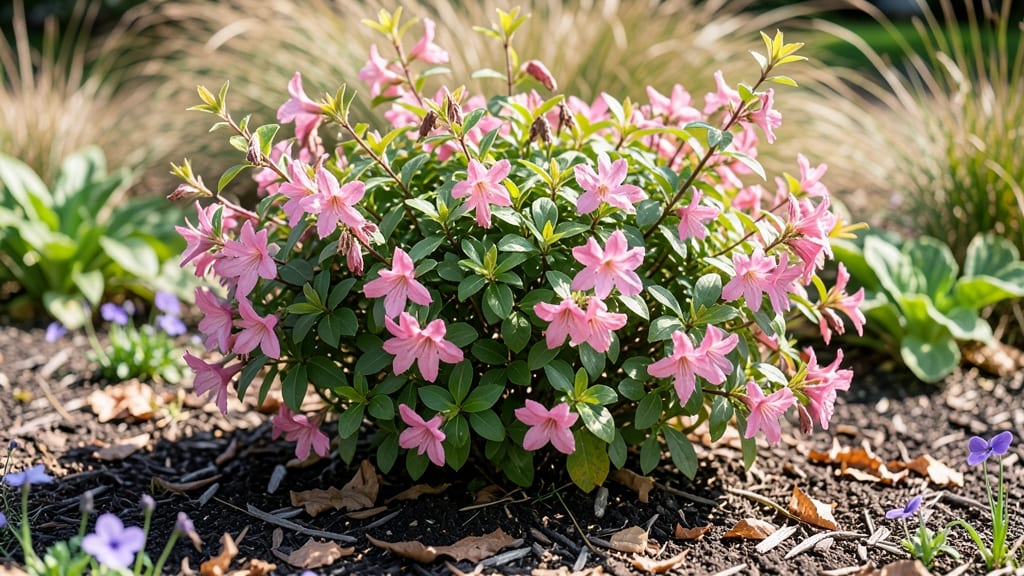
Your Weigela florida 'Sonic Bloom Pink' could be covered in fragrant purple spikes all season—if you prune it right. 🌸 This reblooming beauty thrives in zones 4-8, but most gardeners miss the key pruning timing that keeps it flowering nonstop.
I’ve grown mine for five years, and the difference between a few blooms and a cascading show comes down to three simple cuts made at the right time.
The secret starts with planting in full sun and well-draining soil—this variety hates soggy roots. After the first year, wait until late winter (just before buds swell) to prune back 1/3 of the oldest stems to the ground.
This shock treatment wakes up the plant and triggers spring blooms. Then, in early summer after the first flush of flowers fades, trim again to encourage the second (and third!) wave of blooms.
By mid-fall, you’ll have a bush so lush with fragrant pink blooms that neighbors will ask for cuttings. The key is never pruning after mid-summer—that’s when you risk cutting off next year’s flower buds.
Water deeply once a week (more in extreme heat), and feed with a balanced fertilizer in spring. Avoid over-fertilizing nitrogen—it’ll give you leaves, not flowers.
Here’s the game-changer: prune just above a leaf node (the bump where leaves grow) at a 45-degree angle. This simple technique ensures new growth starts in the right place, and your Sonic Bloom Pink will keep reblooming until frost.
The first year is about establishing roots; after that, it’s all about timing those cuts.
📚 In This Guide
- What you need
- Instructions
- Tips and common mistakes
- Wrapping up and next steps
What you need
- ● Pruning shears: Sharp, clean bypass pruners (avoid dull tools to prevent crushing stems).
- ● Hand pruners: For smaller branches (smaller than ½ inch in diameter).
- ● Gloves: Heavy-duty gardening gloves to protect hands from thorns and sap.
- ● Disinfectant: 70% isopropyl alcohol or a 10% bleach solution (1 part bleach to 9 parts water) to sterilize tools.
- ● Rubbing alcohol or hydrogen peroxide: For quick tool cleaning between cuts (3% solution).
- ○ Pruning sealant (optional but helpful): Wound dressing for larger cuts (½ inch or wider) to prevent disease.
- ● Garden twine or zip ties: For securing branches if you’re training or shaping the plant.
- ○ Markers or flags (optional): Small plant markers or colored flags to tag areas for future reference.
- ● A healthy Sonic Bloom Pink Weigela plant (at least 2–3 years old for best results).
- ● Knowledge of your plant’s bloom cycle—prune after the first flush of flowers in early summer.
- ● Access to a well-lit, outdoor workspace (or a clean indoor area if potted).
- ● Patience! Reblooming Weigelas thrive with consistent care over time.
Pruning tricks for nonstop fragrant Pink Weigela blooms
Here's how to coax your Sonic Bloom Pink Weigela into a second glorious flush of blooms—no fancy tools needed.
✂️ Step 1: Time Your First Cut for Late Winter Dormancy
Prune your weigela in late winter, just as buds begin to swell but before any leaves appear. This is your chance to shape the plant and remove any dead or crossing branches that crowd the center. I like to grab my bypass pruners and make clean cuts at a 45-degree angle, about ¼ inch above a leaf node.
Here's the thing—weigela blooms on new wood, so you won't be sacrificing this year's flowers. Instead, you're encouraging a stronger framework for next season's spectacular purple spikes. Remove no more than 25% of the plant's total growth in this first cut—this keeps it healthy without shocking the system.
✂️ Step 2: Deadhead Spent Blooms After First Flush
Once your first wave of fragrant pink blooms begins to fade, it's time to act. Grab those spent flower spikes and snip them back to just above the first set of healthy leaves below the bloom. This redirects the plant's energy from seed production to growing new stems that will produce your second flush of flowers.
I know it seems counterintuitive to cut off those gorgeous blooms, but trust me—this is how you get that second show. Do this every 2-3 weeks throughout the blooming season. You'll see new buds forming within 4-6 weeks of your first deadheading, and those will be your nonstop blooms.
✂️ Step 3: Lighten Up in Early Summer for Airflow
Around mid-June, give your weigela a light trim to improve airflow. Focus on thinning out the center where branches might be getting too crowded. This prevents fungal diseases and keeps those fragrant blooms coming all season long. I usually make small cuts—just enough to open up the plant without drastically altering its shape.
Watch for any branches that are growing inward or rubbing against others. These are prime candidates for removal. You'll know you've done enough when you can see light and air moving freely through the center of the plant. This simple step makes a huge difference in keeping your weigela thriving and blooming.
✂️ Step 4: Final Light Pruning in Early Fall
As summer winds down, give your weigela one last light pruning in early fall, around September. Remove any dead or diseased branches first, then trim back any overly long growth to maintain a balanced shape. This final cut helps the plant prepare for winter while keeping it looking neat.
Don't worry about being too precise here—just tidy up the plant. You'll see fresh new growth in spring, and those pink blooms will be back in full force. This final step ensures your weigela stays healthy and ready for another spectacular blooming season.
⏰ Step 5: Winter Protection for Next Year's Blooms
Before the first hard frost, give your weigela a little extra care. If you're in a colder climate, consider wrapping the base with burlap or using mulch to protect the roots. This helps the plant survive winter and ensures strong, healthy growth in spring.
Here's the key: don't prune in winter. Let the plant rest and recover. You'll see those buds swelling in late winter, and that's your signal it's time to start the process all over again. With these simple steps, your Sonic Bloom Pink Weigela will reward you with nonstop fragrant blooms all season long.
Tips & tricks for perfect Sonic Bloom Pink Weigela care
Here’s what nobody tells you about keeping your weigela blooming like crazy—these little details make all the difference.
Pruning Angle Matters: When you make those 45-degree cuts in Step 1, aim for a smooth slope—not jagged edges. This helps water run off properly and prevents rot at the cut site. I’ve seen so many plants struggle because of rough cuts that trap moisture. A clean, angled cut also looks more professional and heals faster.
Deadheading Timing is Everything: In Step 2, don’t wait until the blooms are completely wilted—snip them when they’re just starting to fade. This keeps the plant focused on producing new flowers rather than wasting energy on seed development. I’ve found that doing this every 2-3 weeks (as mentioned) gives me the best results, but if I’m running late, I’ll do it every 2 weeks instead. The key is consistency!
Airflow Check in Summer: During your mid-June trim in Step 3, take a moment to step back and look at your plant from all sides. If you can’t see light shining through the center, you need to thin more. I’ve had years where I thought I’d done enough, only to realize the center was still too dense. A quick test: stick your hand in the middle—if you can’t wiggle your fingers easily, keep trimming!
Fall Pruning is Your Reset Button: That final light pruning in September is your chance to fix any shape issues from the season. I like to step back and imagine my ideal plant shape, then make small adjustments to get there. This isn’t about drastic changes—just tidying up so the plant goes into winter looking its best. It’s amazing how much better the spring growth looks when you start with a clean slate.
Pro Tips for Sonic Bloom Pink Reblooming Weigela
- Here’s what nobody tells you about keeping your weigela blooming like crazy—these little details make all the difference.
- Pruning Angle Matters: When you make those 45-degree cuts in Step 1, aim for a smooth slope—not jagged edges.
- Deadheading Timing is Everything: In Step 2, don’t wait until the blooms are completely wilted—snip them when they’re just starting to fade.
Frequently asked questions
Got questions about keeping your Sonic Bloom Pink Reblooming Weigela blooming like crazy? You’re not alone!
Here are answers to the most common queries—from pruning puzzles to care conundrums.
When is the best time to prune my Weigela for reblooming?
Prune your Sonic Bloom Pink Weigela right after its first big bloom cycle (late spring to early summer). This encourages fresh growth and triggers those purple-pink spikes to bloom again in late summer or fall. Skip pruning in fall or winter—it can remove next year’s flower buds!
How much should I cut back my Weigela each year?
Aim to remove 1/3 of the oldest wood each year to keep it healthy and blooming. For Sonic Bloom Pink, focus on dead, crossing, or overcrowded branches first. Never cut into old wood—those are your flower-producing stems! Think of it like giving your plant a haircut, not a buzz cut.
Why isn’t my Weigela reblooming like it should?
Reblooming hiccups often stem from over-pruning (cutting too late or too hard) or poor nutrition. Check for:
- Late pruning (after July can zap next year’s blooms).
- Low phosphorus (use a balanced fertilizer like 10-10-10 in early spring).
- Shady spots—Weigela loves 6+ hours of sun daily.
- Stress (drought or root-bound pots).
Give it 3–4 weeks after pruning to bounce back!
Can I grow Sonic Bloom Pink Weigela in containers?
Just choose a large pot (15+ gallons) with drainage holes and well-draining soil. Container Weigela may bloom less prolifically than in-ground plants, but you can prune lightly to shape it and fertilize monthly during growing season. Winterize pots in cold climates with mulch or move them indoors (if possible).
What’s a good alternative if my Weigela isn’t thriving?
If your Sonic Bloom Pink struggles with pests, disease, or poor reblooming, try these low-maintenance, fragrant alternatives:
| Plant | Why It’s Great | Reblooming? |
|---|---|---|
| Dwarf Butterfly Bush (Buddleia) | Drought-tolerant, attracts pollinators, purple blooms all summer. | Yes (with pruning) |
| Abelia (e.g., ‘Kaleidoscope’) | Semi-evergreen, fragrant pink blooms, thrives in shade. | Yes (light pruning) |
| Spirea (e.g., ‘Anthony Waterer’) | Hardy, pink clusters, blooms on new wood. | Yes (prune after blooming) |
Pro tip:
All three love full sun and well-draining soil—just like Weigela!
Wrapping up and next steps
Transforming your Sonic Bloom Pink Reblooming Weigela into a fragrant, year-round showstopper is totally within reach! With the right pruning techniques—like timing cuts to early spring or right after blooming—you’ll unlock those stunning purple spikes and lush foliage.
Remember, patience and consistency are key: a little effort now means nonstop blooms later!
Ready to watch your garden burst with color? Grab those shears and start pruning today—your Weigela’s next bloom cycle is waiting! 🌸✂️