
Blooming
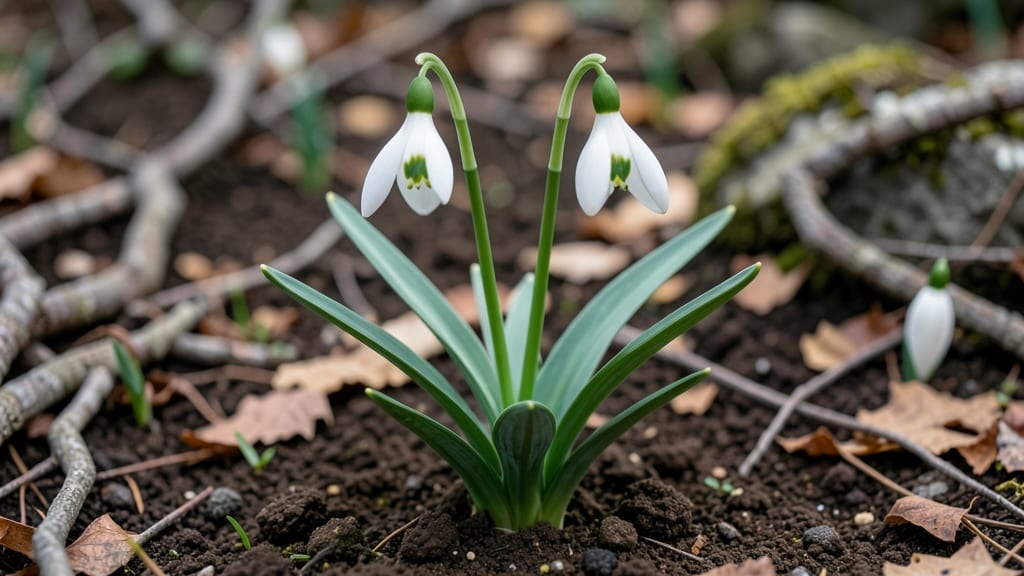
Snowdrops bloom time defies winter’s grip by emerging as early as January in mild climates—sometimes even while snow still clings to the ground. 🌱 Their delicate white bells are nature’s first promise of spring, and they thrive where other plants would freeze.
The exact bloom time depends on your hardiness zone, but most gardeners spot them between late winter and early spring, often before daffodils or tulips even think about waking up.
In colder regions like Zone 4, snowdrops might wait until March, while Southern gardeners can enjoy them as early as December. The secret to their early show? They need a cold period to trigger blooming, but they’re tough enough to handle frost and even light snow.
Well-drained soil and partial shade help them perform their best, especially in areas with harsh winters.
Once they bloom, snowdrops reward you with weeks of cheerful flowers—sometimes even reblooming later in the season. Their simple beauty makes them perfect for underplanting shrubs, lining paths, or brightening shady corners where little else grows. Just avoid overwatering; their bulbs rot easily in soggy soil.
For the best display, plant them in the fall when soil temps drop below 60°F. They multiply over time, so a few bulbs can become a stunning drift within a few years.
If you love winter interest, snowdrops are the ultimate low-maintenance star—just plant, forget, and enjoy their early magic.
📚 In This Guide
- What you need
- Instructions
- Tips and common mistakes
- Wrapping up and next steps
What you need
- ● Snowdrop bulbs (Galanthus spp.) – Choose certified disease-free bulbs (e.g., Galanthus nivalis or Galanthus elwesii). Quantity: 10–20 bulbs for a small cluster or 50+ for a naturalized look.
- ● Well-draining soil – Mix 60% garden soil with 30% compost and 10% coarse sand or perlite to prevent rot.
- ● Garden trowel or bulb planter – A 6-inch trowel works best for digging.
- ● Organic mulch – 2–3 inches of shredded bark, straw, or leaf mold to insulate roots.
- ● Watering can with a fine rose nozzle – For gentle, deep watering (avoid splashing bulbs).
- ● Garden gloves – To protect hands from sharp soil and bulb edges.
- ● Label markers & stakes – If planting multiple varieties (e.g., Galanthus plicatus vs. Galanthus rizeensis).
- ● Slow-release fertilizer (e.g., 5-10-10 NPK ratio) – Sprinkle lightly at planting for a nutrient boost.
- ● Shade cloth (30–50%) – If planting in full sun areas to mimic their woodland habitat.
- ● Soil pH test kit – Snowdrops thrive in slightly acidic to neutral soil (pH 6.0–7.0).
- ● Companion plants – Pair with heuchera, ferns, or early spring crocuses for a layered look.
- ● Dibber tool – For precision when planting in tight spaces or grids.
How to time snowdrop blooms for early season beauty
Here’s how I guarantee snowdrops burst into bloom as soon as the ground thaws—no waiting for spring.
🌱 Step 1: Plant in Fall for Winter Chilling
Snowdrops need a solid 4-6 weeks of cold (below 40°F) to trigger blooms. I plant mine in October or November when soil temps drop but before hard frost. Dig holes 3-4 inches deep—deeper than most bulbs—since snowdrops thrive in cool, damp soil. Space them 4-6 inches apart so they form natural clusters over time.
Don’t rush! Planting too early (like summer) lets bulbs rot before winter. Wait until soil feels cool to the touch—50-55°F—and has started to harden. This ensures they’ll get their required chill without freezing solid.
☀️ Step 2: Choose the Right Location for Early Light
Snowdrops bloom when days are still short, so they need partial shade (morning sun, afternoon shade) to conserve energy. I place mine under deciduous trees or along north-facing walls where they’ll catch dappled light but avoid harsh midday rays. Too much sun in winter can dry out the soil too quickly, delaying blooms.
Watch for yellowing leaves in spring—that’s a sign of too much sun. If your spot gets full sun, mulch heavily with 3-4 inches of organic matter (like shredded leaves) to keep roots cool. The goal is to mimic their woodland habitat.
💧 Step 3: Water Strategically After Planting
Water deeply once after planting to settle the soil around the bulbs, then stop watering until spring. Snowdrops store moisture in their bulbs and don’t need winter irrigation. Overwatering now can rot the bulbs before they’ve had a chance to harden off.
In early spring (when shoots appear, usually February-March), resume watering lightly every 10-14 days—just enough to keep the soil moist but not soggy. You’ll see blooms within 2-4 weeks of the first green shoots, depending on your climate.
⏰ Step 4: Monitor for Blooms and Deadhead Gently
Snowdrops typically bloom 2-4 weeks before daffodils, often in late winter to early spring (as early as January in mild climates). Look for white or pale green drooping flowers—that’s your cue they’re ready. The blooms last 2-3 weeks, so enjoy them before they fade.
After flowering, leave the foliage alone until it yellows naturally (usually 6-8 weeks later). This gives the bulbs time to photosynthesize and store energy for next year’s blooms. If you cut back too soon, you’ll weaken future flowers.
🌿 Step 5: Mulch and Protect for Next Year’s Blooms
Once foliage dies back, add a 2-inch layer of mulch (like shredded bark or leaves) to insulate the bulbs through winter. This keeps soil temps stable and prevents heaving during freeze-thaw cycles. Snowdrops are tough, but a little extra protection ensures they’ll bloom earlier and more reliably each year.
Here’s the thing—snowdrops multiply over time. If you see extra shoots popping up nearby, that’s natural! Just leave them be. In 3-5 years, you’ll have a self-sustaining patch that blooms like clockwork every winter.
Tips & tricks for perfect snowdrop bloom timing
These little-known tricks will help you coax snowdrops into blooming weeks before other spring flowers—no waiting required!
Chilling Is Non-Negotiable: The 4-6 weeks below 40°F is absolutely critical for triggering blooms. I've seen snowdrops planted in early October bloom by January in mild climates, while those planted too late (December) often wait until March. Use a soil thermometer to confirm temps—if your winter stays above 40°F for weeks, consider moving your planting spot to a colder microclimate like a shaded north wall.
Location Secrets for Early Blooms: That partial shade isn't just about avoiding sunburn—it's about conserving moisture. In Step 2, look for spots where snow lingers longest in winter (like under evergreens or along foundations). These areas stay cooler and moister, which actually speeds up the bloom cycle by 1-2 weeks compared to sunnier spots. The key is dappled light that mimics their woodland home.
Spring Watering Strategy: When those first green shoots appear in February-March, resist the urge to water heavily! Snowdrops are adapted to damp but not soggy conditions. I water mine with a gentle spray every 10-14 days—just enough to keep the soil from drying out completely. Overwatering now can actually delay blooms by causing the bulbs to focus on root growth instead of flowering.
Mulch Like a Pro: That 2-inch mulch layer in Step 5 isn't just decoration—it's insulation. In late winter, when temps fluctuate wildly, mulch helps maintain stable soil temperatures around the bulbs. For even earlier blooms, add a 1-inch layer of straw over your regular mulch in December. This extra insulation can push blooms forward by 10 days or more in marginal climates.
Pro Tips for Snowdrops Bloom Time
- These little-known tricks will help you coax snowdrops into blooming weeks before other spring flowers—no waiting required!
- Chilling Is Non-Negotiable: The 4-6 weeks below 40°F is absolutely critical for triggering blooms.
- Location Secrets for Early Blooms: That partial shade isn't just about avoiding sunburn—it's about conserving moisture.
Frequently asked questions
Got questions about snowdrops and their early bloom? Here are some of the most common inquiries—plus quick answers to help you plan your garden with confidence!
When exactly do snowdrops bloom?
Snowdrops typically bloom between late January and early March, depending on your climate. In warmer regions, they may appear as early as December, while colder areas might see them in late February or March. Their early bloom makes them a harbinger of spring!
Can snowdrops bloom more than once in a season?
No—snowdrops are uniflorous (one bloom per stem) and unifoliate (one leaf per stem). However, mature plants often produce multiple stems, creating clusters of flowers. Each stem blooms just once, but the plant may rebloom in subsequent years if conditions are right.
What happens if snowdrops bloom too early or late?
Early blooms can be frost-sensitive, but snowdrops are hardy and usually survive light frosts. Late blooming may indicate stress from poor soil, lack of sunlight, or overcrowding. Ensure they’re planted in partial shade with well-draining, moist soil for optimal timing.
Are there snowdrop alternatives for later bloomers?
Yes! If you love early blooms but want variety, try winter aconite (yellow, blooms December–February) or heliconia (tropical but thrives in mild climates). For true early spring color, crocuses (purple/white) or snowflakes (Leucojum) are great companions.
Why aren’t my snowdrops blooming at all?
Common culprits include overcrowding (divide clumps every 3–4 years), too much shade (they need dappled light), or poor soil. Fertilize lightly in fall with compost, and ensure they’re not planted too deep—they prefer surface-level bulbs.
Still stumped? Drop your snowdrop struggles in the comments—we’re happy to help!
Wrapping up and next steps
Snowdrops are nature’s early celebrators—their delicate blooms herald the arrival of spring even when winter lingers. Whether you’re admiring them in gardens, forests, or your own backyard, their resilience and beauty remind us that patience and persistence pay off in the most stunning ways. 🌱✨
Ready to welcome this chill-resistant charm into your space? Start by marking your calendar for late winter or early spring, then plan where to spot—or plant—them. Share your snowdrop moments with fellow plant lovers and let their magic inspire your next gardening adventure!