
Blooming
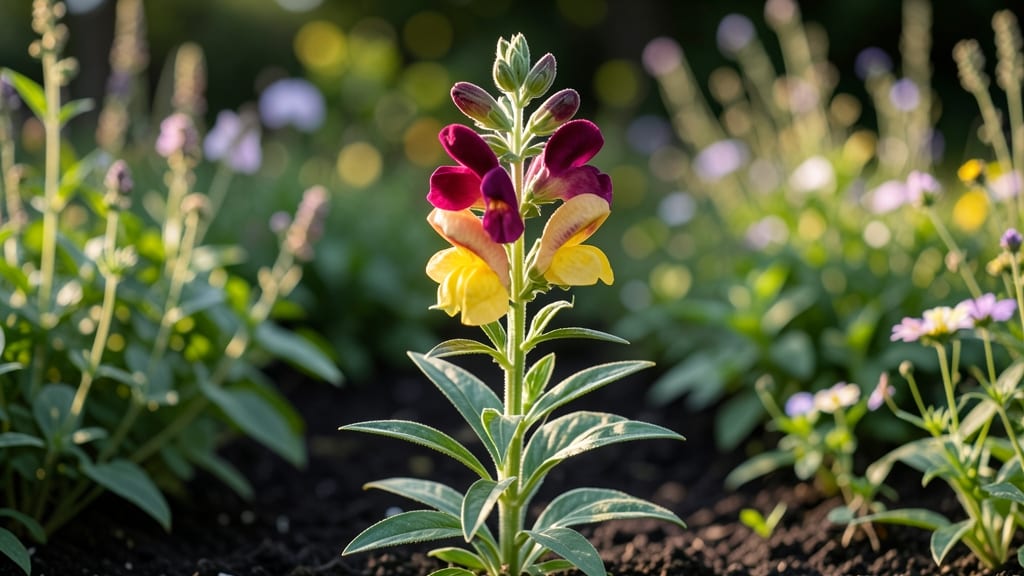
Your snapdragons will bloom between 60 and 90 days after planting, depending on the variety and your hardiness zone — but timing it right means the difference between a summer of vibrant 🌸 blooms and a season of disappointment.
Picture this: you’ve waited all spring, carefully nurturing your seedlings, only to wonder why they’re still just green stems when your neighbor’s garden is bursting with color.
The truth? Snapdragon bloom time isn’t just about patience—it’s about knowing your zone, choosing the right varieties, and giving them the conditions they crave.
In USDA Zone 6a, where most gardeners live, expect the first buds to appear around mid-June for early varieties, while late bloomers might not peak until early October.
But cooler climates like Zone 5 can push that timeline back, while warmer Zones 8-10 might see flowers as early as late May.
Here’s what you’ll discover: how to adjust your planting schedule for your exact zone, the 3 key factors that extend bloom time, and why deadheading isn’t just optional—it’s the secret to keeping your snapdragons flowering until frost.
Snapdragon bloom time by USDA hardiness Zones: exact weeks to flower
If you're dreaming of vibrant snapdragons gracing your garden, timing is everything. These colorful bloomers thrive in USDA Zones 3-10, but their bloom schedules vary wildly depending on where you live—and whether you start from seed or transplant.
In cooler zones (3-5), expect flowers as early as 8-10 weeks from seed, while warmer climates (8-10) may see blooms in just 6-8 weeks with the right care.
The key difference? Direct sowing vs. transplanting shifts timelines by 2-4 weeks. Transplants get a head start, but seeds sown after last frost can still deliver stunning results. Let’s break down the exact weeks to bloom by zone, so you can plan your garden like a pro.
Pro Tip: Early varieties like 'Matrix' bloom 2-3 weeks faster than late varieties such as 'Black Prince'. Choose wisely based on your first frost date!
| USDA Zone | Avg. First Bloom (Weeks from Seed) | Avg. First Bloom (Weeks from Transplant) | Early Variety Bloom Time | Late Variety Bloom Time | Best Planting Window |
|---|---|---|---|---|---|
| Zones 3-4 | 10-12 weeks | 8-10 weeks | 8-9 weeks ('Matrix Early Mix') | 11-12 weeks ('Black Prince') | April 15 - May 15 |
| Zones 5-6 | 8-10 weeks | 6-8 weeks | 7-8 weeks ('Tango Series') | 9-10 weeks ('Rocket Series') | April 1 - May 10 |
| Zones 7-8 | 6-8 weeks | 5-6 weeks | 5-6 weeks ('Hot Shot Series') | 7-8 weeks ('Cupcake Series') | March 1 - April 15 |
| Zones 9-10 | 5-7 weeks | 4-5 weeks | 4-5 weeks ('Pocket Rocket') | 6-7 weeks ('Monarch') | February 15 - March 30 |
*Bloom times assume 6+ hours of sun daily and consistent moisture. Adjust for partial shade (+2 weeks).
In Zones 3-4, where frosts linger late, transplanting is your best bet for earlier blooms. Start seeds indoors 8-10 weeks before your last frost date, then move them out after soil warms to 50°F.
For Zones 5-6, you can direct sow after May 1 and still expect flowers by mid-July.
Warmer zones like 7-10 offer flexibility. In Zone 9, you can sow seeds as early as February for blooms by late April, while Zone 10 gardeners might see flowers in just 5 weeks with Pocket Rocket varieties.
The trade-off? Heat stress can shorten bloom cycles in Zones 9-10, so provide afternoon shade during peak summer.
Zone-Specific Hack: In Zones 5-6, use black plastic mulch to warm soil faster and shave off 1-2 weeks from bloom time. Just avoid touching stems to prevent rot!
Don’t overlook light conditions. Snapdragons need full sun (6+ hours) for optimal blooming, but in Zones 8-10, partial shade can extend bloom duration by 2-3 weeks during scorching summers. Test your garden’s sunlight with a sun gauge to avoid misjudging.
For longer-lasting blooms, pair early varieties (like 'Matrix') with late varieties (like 'Black Prince'). This staggered planting strategy ensures continuous color from June to October in most zones. Just remember: late varieties need longer daylight, so they’ll bloom later in northern zones.
If you’re transplanting instead of sowing seeds, time it right: 4-6 weeks before your last frost date. Seedlings should have 4-6 true leaves and be hardened off for 1 week before moving outdoors. This head start can shave 2-3 weeks off bloom time!
Finally, soil temperature matters. Snapdragons won’t germinate well in cold soil (<50°F). Use a soil thermometer to confirm conditions—especially in Zones 3-5. If soil is too cool, wait 1-2 weeks longer for faster germination and earlier blooms.
With these zone-specific timelines, you’ll know exactly when to expect those snapdragon smiles lighting up your garden. Now go plant—and watch the magic unfold! 🌸
How to extend snapdragon bloom time: season-long flowering tips
If you’ve ever watched your snapdragons bloom in a glorious burst only to fade too soon, you’re not alone. The secret to season-long flowering lies in a few simple but powerful strategies.
With the right care, your snapdragons can keep producing vibrant blooms from early summer through fall—sometimes even into winter in mild climates. Let’s dive into the techniques that will transform your garden into a continuous floral display.
First, deadheading is your best friend. This isn’t just about snipping off spent blooms—it’s about sending a signal to your snapdragons to produce more flowers. When you remove faded blooms, you’re encouraging the plant to redirect its energy toward new growth instead of seed production.
Pair this with consistent watering and fertilizing, and you’ll see a dramatic difference in bloom duration.
- 🌸 Deadhead daily: Snip off spent blooms below the next set of leaves to encourage new growth.
- 💧 Water deeply in the morning to prevent fungal diseases and keep roots hydrated.
- 🌱 Adjust soil pH to 6.5-7.0—acidic soil can stunt blooming and weaken plants.
- ☀️ Ensure 6+ hours of sun—partial shade can reduce flowering but prevents bolting in hot zones.
- 🌿 Plant with companions like marigolds or basil to deter pests and improve health.
Next, pay attention to your soil conditions. Snapdragons thrive in well-draining soil with a slightly acidic to neutral pH (6.5-7.0). If your soil is too alkaline, your plants may struggle to absorb essential nutrients, leading to fewer blooms.
Test your soil in early spring and amend it with compost or peat moss if needed. A healthy soil foundation is the backbone of prolonged flowering.
Your watering schedule plays a crucial role too. Snapdragons prefer consistent moisture but hate soggy roots. Water deeply in the morning to give the soil time to dry slightly during the day.
Avoid evening watering, as damp foliage can invite fungal diseases like powdery mildew. Mulching around the base of your plants helps retain moisture and keeps roots cool, especially during hot summer days.
Don’t overlook the power of companion planting. Strategic pairings can boost your snapdragons’ health and longevity. For example, planting marigolds nearby deters aphids, while basil repels thrips.
Both companions improve air circulation and reduce disease risk, allowing your snapdragons to focus their energy on producing more vibrant blooms for longer. It’s a win-win for your entire garden bed.
Finally, consider seasonal adjustments. In cooler climates (Zones 3-5), snapdragons may benefit from a light winter mulch to protect roots. In warmer zones (Zones 8-10), provide afternoon shade during peak summer to prevent bolting.
By tailoring your care to your local climate, you’ll create the perfect conditions for extended blooming throughout the growing season.