
Blooming
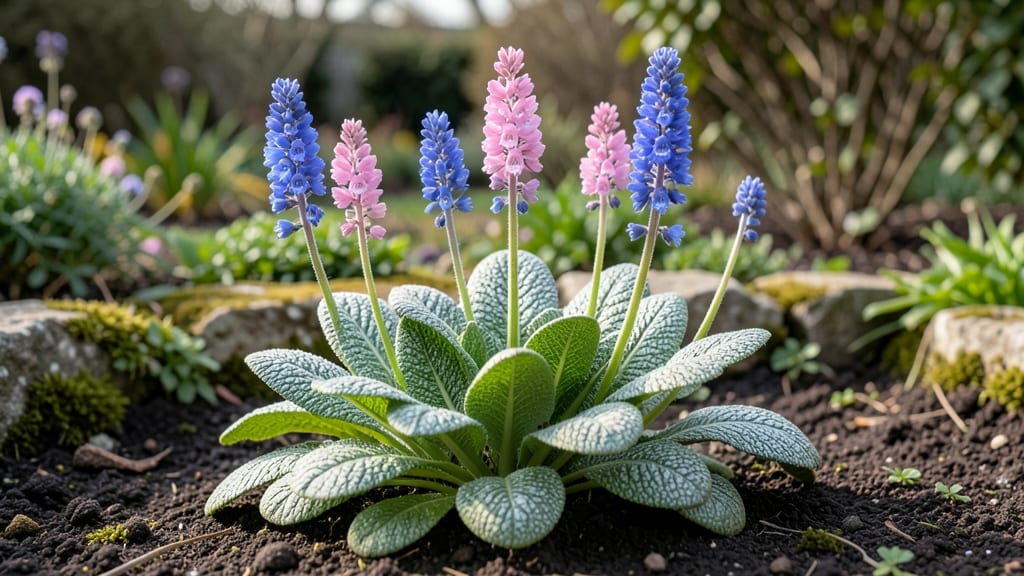
Lungwort unfurls its fragrant purple blooms at a time when most perennials are still dormant. 🌿 That’s right—this shade-tolerant stunner often blooms from late winter to early spring, sometimes as early as February in warmer zones, making it one of the first harbingers of spring in my garden.
The flowers even have a little magic trick: they start deep purple and gradually shift to pink as they age, creating a stunning two-tone display. The secret to coaxing those early blooms? Part shade and rich, moist soil—lungwort thrives where others struggle.
In my Zone 5 garden, it pops up in March, but in colder zones, expect April or even May. A thick layer of mulch keeps roots cozy and extends the bloom season, while avoiding summer drought stress ensures it’ll rebloom later in the year.
What you’ll love most is how low-maintenance this plant is—it spreads gently, handles neglect, and still looks stunning. The foliage stays attractive even when not in bloom, with its distinctive spotted leaves adding texture year-round.
With the right care, you’ll get two bloom cycles: a bold early show and a softer rebloom in late spring. Works beautifully in woodland gardens, under trees, or along shady borders. Here’s how to keep those blooms coming back stronger every year!
📚 In This Guide
- What you need
- Instructions
- Tips and common mistakes
- Wrapping up and next steps
What you need
- ● Lungwort plants (Pulmonaria spp.) – Choose Pulmonaria officinalis (for early blooms) or Pulmonaria saccharata (for later, vibrant blooms). Quantity: 3–5 plants for a small garden patch; 10+ for a full border.
- ● Well-draining potting mix – A blend of 50% peat-free compost, 30% perlite, and 20% coarse sand (for containers). Volume: 1–2 gallons per plant.
- ● Garden soil amendment – 2–3 cups of compost or aged manure per square foot of planting area (for in-ground planting).
- ● Mulch – 2–3 inches of organic mulch (e.g., shredded bark or straw) to retain moisture and suppress weeds.
- ● Watering can or hose with a gentle spray nozzle – Lungwort loves consistent moisture but hates soggy roots.
- ● Pruners or sharp scissors – For trimming spent blooms and shaping plants post-season.
- ○ Garden gloves – Optional but helpful for handling soil and plants comfortably.
- ● USDA Hardiness Zones 3–8 – Lungwort thrives in cool to moderate climates (check your zone here).
- ● Partial to full shade – Ideal spots receive 3–6 hours of morning sun or dappled shade all day.
- ● pH-neutral to slightly acidic soil – Aim for a soil pH of 6.0–7.0 (test kits available at garden centers).
- ● Protective microclimate – Avoid windy or exposed areas; lungwort prefers sheltered, humid spots (e.g., near shrubs or under trees).
- ● Slow-release fertilizer – A balanced 10-10-10 or organic fish emulsion (apply in early spring).
- ● Container gardening setup – 10–14-inch pots with drainage holes for urban gardeners.
- ● Soil moisture meter – Ensures lungwort stays consistently moist without overwatering.
- ● Companion plants – Pair with heuchera, ferns, or hostas for a lush, shade-loving display.
How to time lungwort blooms in your growing Zone
Lungwort’s fragrant purple blooms arrive at different times depending on your climate—here’s how to predict them.
🌿 Step 1: Identify Your USDA Hardiness Zone
Lungwort’s bloom schedule shifts dramatically between zones. Check your zone on the USDA map—most gardeners fall between Zone 3 and 8. In colder zones (3-5), expect blooms to arrive 4-6 weeks later than in warmer zones (6-8). This delay happens because lungwort needs cold stratification to trigger spring growth.
If you’re unsure, observe nearby plants like bleeding heart or hellebore—they bloom in the same general window. Lungwort typically flowers 2-3 weeks after these early spring stars. I always mark my calendar when forsythia blooms, knowing lungwort will follow within three weeks.
⏰ Step 2: Track Seasonal Cues for Zone-Specific Timing
In Zones 3-5, lungwort usually blooms between mid-to-late May and early June, often coinciding with the first appearance of lily-of-the-valley. The key is watching for new growth emerging from the crown—this happens when soil temperatures reach 50°F consistently. I test this by pressing my finger into the soil; if it feels cool but not icy, it’s time to scout for buds.
Gardeners in Zones 6-8 see blooms 2-4 weeks earlier, typically from late April through May. Here, lungwort often flowers alongside wild ginger or epimedium. The plant’s leaves unfurl first, followed by flower stalks that appear when nighttime temperatures stay above 45°F. I’ve noticed that in Zone 7, a late frost after buds form can delay blooms by up to two weeks.
☀️ Step 3: Adjust Care to Extend the Bloom Window
Lungwort naturally reblooms in late summer (August-September) if given the right conditions. After the first spring bloom fades, deadhead spent flowers by snipping the stems back to the first set of healthy leaves. This redirects energy to foliage, which stores nutrients for the next flowering cycle. I always use clean, sharp pruners to avoid damaging the crown.
For a second flush of blooms, ensure the plant receives partial shade (morning sun with afternoon relief) and consistent moisture—never let the soil dry out completely. In hotter zones (7-8), mulch with 2-3 inches of organic material to keep roots cool. The rebloom appears when daytime temperatures drop below 85°F, usually in late summer when humidity rises.
🌱 Step 4: Prepare for Next Year’s Blooms
Lungwort’s long-term bloom performance depends on fall care. After leaves yellow in late fall, cut back foliage to ground level but leave the crown intact. This prevents disease while allowing the plant to photosynthesize through its basal leaves. I avoid removing leaves until they’ve fully browned—this ensures the plant stores enough energy for next spring’s buds.
In colder zones (3-5), add a 3-inch layer of mulch after the first hard frost to protect the crown from temperature swings. In warmer zones (6-8), a light mulch suffices. The goal is to maintain soil temperatures between 32°F and 45°F during winter—this cold period is what triggers next year’s blooms. I’ve found that lungworts in containers need extra winter protection, like wrapping the pot in burlap.
Tips & tricks for perfect lungwort bloom timing
Here's what nobody tells you about getting those fragrant purple blooms just right in your garden.
Zone-Specific Soil Temperature: The 50°F soil temperature mentioned for Zones 3-5 is your golden number. Use a soil thermometer to check in the morning—if it's consistently at this mark, that's your cue to start watching for new growth. I've found that in Zone 5, this often happens around mid-April, but it can vary by a week depending on whether we had a warm winter. The key is consistency—don't rely on air temperature alone, as soil warms more slowly.
Frost Watch in Zone 7: That two-week delay from late frosts in Zone 7 is real. I learned this the hard way when a surprise frost in early May wiped out my lungwort buds. Now I set up a simple frost alert system using my weather app—it gives me a heads-up so I can cover tender new growth with frost cloth if needed. The 45°F nighttime temperature threshold is crucial here; if you see temps dropping below that after buds form, be prepared to protect them.
Rebloom Trigger: The 85°F daytime temperature threshold for late summer reblooms is often misunderstood. What actually matters is the combination of heat and humidity—think of it as your plant's "cool-down signal." In my Zone 6 garden, I've noticed reblooms appear when daytime highs hit 85°F but nights stay above 65°F. This creates that perfect balance where the plant feels summer's end approaching, triggering another flowering cycle. Keep a garden journal to track these patterns in your specific microclimate.
Mulch Depth Matters: That 2-3 inch mulch recommendation for hotter zones isn't just about looks—it's about creating the right thermal blanket. I've experimented with different depths and found that 3 inches works best in full sun areas, while 2 inches suffices in partial shade. The goal is to keep roots cool enough to prevent stress while still allowing water penetration. In containers, I use a lighter mulch layer (1 inch) since they dry out faster, but I always add extra insulation around the pot edges with burlap during winter.
Pro Tips for Lungwort Bloom Time
- Here's what nobody tells you about getting those fragrant purple blooms just right in your garden.
- Zone-Specific Soil Temperature: The 50°F soil temperature mentioned for Zones 3-5 is your golden number.
- Frost Watch in Zone 7: That two-week delay from late frosts in Zone 7 is real.
Frequently asked questions
When does lungwort typically bloom, and how long does it last?
Lungwort usually blooms in early to mid-spring (March–May, depending on your zone), with a second, lighter flush in late summer (August–September). Each bloom lasts 3–6 weeks, offering fragrant purple flowers that attract pollinators. In warmer climates (Zones 5–9), the summer rebloom may be more pronounced!
Does lungwort bloom at the same time every year?
While lungwort is perennial and reliable, bloom times can shift slightly due to weather, sunlight, or soil conditions. For consistency, plant in partial shade (3–6 hours of sun) and water deeply during droughts. If blooms are sparse, fertilize lightly in early spring with balanced 10-10-10 for a boost.
Will lungwort bloom in full shade? Can it handle heat?
Yes! Lungwort thrives in full to partial shade (Zones 3–8) and tolerates heat better than sun. In hotter zones (7–9), mulch with wood chips to retain moisture. Avoid soggy soil—ensure well-draining conditions to prevent root rot. Pro tip: Prune spent blooms in early summer to encourage a second flush of flowers!
Why isn’t my lungwort blooming? Troubleshooting tips.
If your lungwort skips blooms, check these fixes:
- Too much sun? Move to dappled shade.
- Hosta (white/purple blooms, Zone 3–9)
- Bleeding heart (Dicentra) (pink/white, Zone 3–9)
- Foxglove (Digitalis) (spikes of purple, Zone 4–8)
- Coral bells (Heuchera) (colorful foliage + spring blooms)
Over-fertilized? Cut back on nitrogen (use low-phosphorus fertilizer).
Crowded roots? Divide clumps every 3–4 years in early spring.
Dormant now? Wait until spring—it may bloom later!
Bonus: Lungwort often blooms after leaves emerge, so don’t panic if flowers are late!Are there lungwort alternatives with similar blooms?
If you love lungwort’s purple flowers and shade tolerance, try these:
Wrapping up and next steps
Watching lungwort bloom is like unwrapping a fragrant purple surprise each season! 🌸 Whether you’re in Zone 3 (early May) or Zone 9 (late winter), timing is everything—but patience pays off with reblooms that last until summer.
Armed with the right tools and care tips, you’re ready to nurture these woodland gems into showstoppers.
Now’s your moment to act—check your zone, prep your soil, and give these beauties the love they deserve. Happy gardening! 🌿