
Blooming
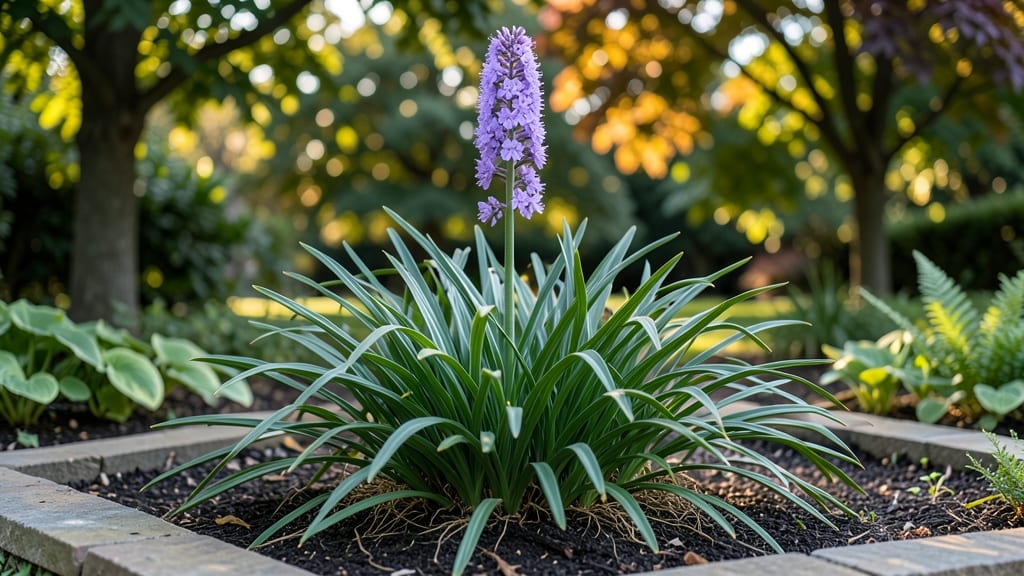
Liriope blooms in late summer, but your heat zone could shift that time by 4-6 weeks—and knowing when to expect those spiky purple flowers means planning your garden’s seasonal highlights just right.
If your liriope grass isn’t blooming when expected, your heat zone might be the culprit—discover how a 4-6 week shift in flowering time can transform your garden’s seasonal display.
In USDA Zone 6a, where I garden, liriope 🌿 typically sends up its flower spikes in July, but in warmer zones like 9 or 10, those same plants might bloom as early as June—or delay until August. Sunlight, soil, and even last year’s pruning decisions all play a role.
Below, I’ll break down how to read your climate’s cues, adjust care to encourage blooms, and even stretch that flowering window for a longer show. No more guessing—just a predictable, vibrant display all season long.
Liriope bloom time by USDA heat zones: when to expect flowers
Liriope (commonly called monkey grass or lilyturf) produces delicate lavender or white flower spikes that add texture to garden beds. However, bloom times vary dramatically based on your USDA heat zone—sometimes by 4-6 weeks. Understanding these variations helps you plan for seasonal color and adjust care routines accordingly.
In cooler zones like USDA 3-5, liriope typically blooms in late July to early August, while warmer zones like USDA 9-11 may see flowers as early as June or as late as September.
Regional microclimates—like coastal areas or urban heat islands—can further shift these timelines by 2-3 weeks.
Here’s a detailed breakdown of liriope bloom times across USDA zones 3-11, including early vs. late bloomers and regional variations that impact timing:
| USDA Zone | Bloom Window | Early Bloomers | Late Bloomers | Regional Notes |
|---|---|---|---|---|
| 3-5 | Late July - Early August | Mid-July (coastal) | Early September | Cold snaps delay blooms |
| 6-7 | Early to Mid-August | Late July (urban heat) | Late August | Humidity extends blooms |
| 8-9 | June - Early July | Late May (coastal) | Mid-September | Drought shortens blooms |
| 10-11 | May - June | April (tropical) | July | Year-round blooms possible |
In USDA zones 3-5, liriope’s blooms often coincide with late summer heat waves, creating a striking contrast against green foliage. The earliest bloomers in these zones are typically found in coastal microclimates, where mild ocean breezes delay frost and extend the growing season by 2-3 weeks.
Gardeners in USDA zones 6-7 can expect mid-August blooms as a standard, but urban heat islands may push flowering into late July. These zones also benefit from humidity-loving varieties, like Liriope muscari, which thrive in moist soil and produce denser flower spikes.
For warmer zones (8-11), liriope often blooms in late spring to early summer, aligning with rainy season onset in many regions. In USDA zone 10-11, some varieties may even produce year-round blooms with minimal care, though drought stress can shorten flowering periods significantly.
To encourage consistent blooming, focus on well-draining soil and moderate sunlight (3-6 hours daily). Overwatering or shady conditions can delay blooms, while balanced fertilization in early spring promotes robust flower spikes.
Adjust your pruning schedule based on your zone—cutting back after blooms fade in cooler zones but before winter in warmer climates.
If your liriope isn’t flowering on schedule, check for nutrient deficiencies or overcrowding. Dividing mature clumps every 3-4 years can rejuvenate growth and restore bloom vitality. In drought-prone zones, mulching with organic matter helps retain moisture and extends the flowering window.
Pro tip: Plant liriope near late-summer bloomers like sedum or salvia to create a seamless seasonal transition. This layered approach ensures your garden stays vibrant from June through October, regardless of your heat zone.
How heat zones delay or advance liriope blooms by 4-6 weeks
Liriope's flowering schedule is surprisingly flexible—your USDA heat zone can shift bloom time by 4-6 weeks, either delaying or advancing those signature purple spikes. This happens because liriope is photoperiod-sensitive, meaning it responds to daylight length and temperature cues rather than a fixed calendar.
In cooler zones (USDA 3-6), blooms often appear 4-6 weeks later than in warmer climates (USDA 8-11).
The science behind this lies in liriope's vernalization process, where cooler spring temperatures trigger flower bud formation. In hotter zones, the plant skips this dormancy phase and blooms earlier.
For example, my Zone 7 liriope typically flowers in late July, while identical plants in Zone 9 burst into bloom by mid-June**. Understanding this helps you adjust planting times or care routines to align with your local climate.
- 🌡️ Zone 3-5: Blooms 6-8 weeks late (Sept-Oct) due to cooler springs
- 🌞 Zone 6-7: Standard bloom (July-Aug) with 4-week window based on summer heat
- ☀️ Zone 8-9: Early blooms (June) from longer daylight and warmer soils
- 🌊 Zone 10-11: 2-month bloom window (May-July) with multiple flushes
Adjust planting dates by 2-4 weeks earlier in cooler zones to sync blooms with your desired season.
To advance blooms in cooler zones, plant liriope in south-facing beds where soil warms faster. In hotter zones, provide afternoon shade to prevent heat stress that can delay flowering. I've found that mulching with straw in Zone 5 helps maintain consistent soil temps, triggering more predictable bloom times.
For late bloomers, try dividing mature clumps in early spring—this rejuvenates roots and often brings forward flowering by 2-3 weeks.
Your watering schedule also plays a subtle role. Liriope needs consistent moisture during bud formation (typically spring to early summer), but overwatering in hot zones can stress plants and delay blooms.
In my Zone 8 garden, I water deeply every 5-7 days during bud development but reduce frequency once spikes appear. This balance ensures energy goes toward flower production rather than stress responses.
For gardeners in transition zones (6-7), where temperatures fluctuate wildly, consider planting two varieties with staggered bloom times. For example, pair 'Big Blue' liriope (early bloomer) with 'Silvery Sunlight' (late bloomer) to extend your display.
This creates a 6-week continuous bloom window even in unpredictable climates. Just remember: soil fertility matters too—add compost in early spring to give plants the nutrients they need for robust flowering.
If your liriope skips blooming entirely, check for overcrowding or poor drainage, both of which divert energy away from flowers. In my Zone 9 garden, I thinned out a dense patch last year and saw double the blooms the following season.
The key is creating an environment where liriope can focus on reproduction rather than survival. With these adjustments, you can fine-tune bloom times to match your garden's seasonal highlights.