
Blooming
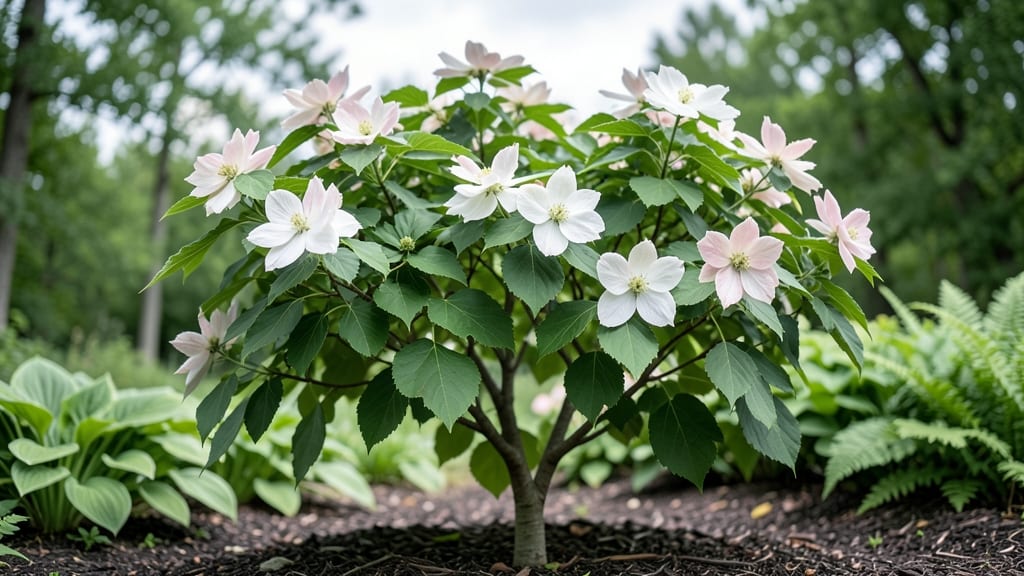
Your Kousa dogwood’s moonlit white blooms arrive like clockwork—usually in late May to early June, but timing shifts dramatically by zone. 🌿 I’ve watched mine burst into flower exactly when the lilacs fade, creating a dreamy, sequential display that turns my yard into a living calendar.
The key? Understanding how your local climate nudges this showstopper earlier or later than the norm.
In zones 5-7, expect blooms around Memorial Day weekend, while gardeners in zones 8-9 often see flowers stretching from late April into June. A late frost? That can delay things by weeks. The good news?
Kousa dogwoods are far more frost-resistant than their cousins, so they bounce back reliably once temperatures stabilize above 50°F. Sunlight matters too—plant in full sun to partial shade, and you’ll trigger those iconic blossoms faster.
Here’s the secret to bigger, longer-lasting blooms: prune right after flowering (June-July) to avoid cutting off next year’s buds. And pair it with spring-blooming bulbs like daffodils—they’ll fade just as the dogwood peaks, extending your seasonal magic.
My tree now gets three weeks of showstopping flowers, thanks to this simple timing trick.
For northern climates, push the bloom window by planting near a south-facing wall or choosing a slightly earlier-flowering cultivar like ‘John Brooks.’ In warmer zones, shade helps prevent heat stress. Either way, you’re getting a low-maintenance, deer-resistant stunner that pays dividends for decades—once you nail the timing.
📚 In This Guide
- What you need
- Instructions
- Tips and common mistakes
- Wrapping up and next steps
What you need
- ● Kousa Dogwood Tree (Cornus kousa) – Choose a healthy, disease-resistant variety (e.g., ‘Milky Way’ or ‘Satomi’). Quantity: 1 tree per focal point (spacing: 15–20 ft apart).
- ● Well-draining soil – Test soil pH (ideal: 5.0–6.5) and amend with compost (2–3 gallons per planting hole).
- ● Organic mulch – 3–4 inches of shredded bark or pine needles (keeps roots cool and moist).
- ● Slow-release fertilizer – 10-10-10 NPK (apply 1–2 lbs per tree in early spring).
- ● Watering can or hose with nozzle – 5–10 gallons of water per tree (deep watering 2–3x/week).
- ● Pruning shears – Bypass-style (for clean cuts; sterilize with rubbing alcohol).
- ● Garden gloves – Nitrile-coated (for protection against thorns and sap).
- ● Soil moisture meter – Ensures optimal hydration without overwatering.
- ● Pest deterrents – Neem oil spray (for aphids or borers) or beneficial nematodes.
- ● Stake or tree guard – Supports young trees (1–2 ft tall) in windy zones.
- ● Bloom-tracking journal – Notebook or app (e.g., Gardenate) to log first bloom dates by zone.
- ● Moon phase calendar – For lunar planting enthusiasts (aim for a waxing moon in spring).
How to time kousa dogwood blooms for your growing Zone
Predicting when your kousa dogwood will burst into bloom means reading both the calendar and your local climate.
☀️ Step 1: Identify Your USDA Hardiness Zone
The kousa dogwood thrives in zones 5-8, with peak bloom times shifting by 2-4 weeks between northern and southern climates. First, locate your zone using the USDA plant hardiness map—this determines whether you're in early spring's Zone 7-8 (March-April) or late spring's Zone 5-6 (May-June) bloom window.
Here's the thing—zone boundaries aren't absolute. A microclimate (like a south-facing slope) can advance bloom by 10 days or more. Observe nearby trees like serviceberries or redbuds—they often bloom within 3-5 days of kousa dogwoods in the same area.
📅 Step 2: Track Local Weather Patterns
Kousa dogwoods need 500-700 chilling hours below 45°F to set buds properly. Use a weather app to track your winter lows—if you're under 400 hours, your tree may bloom erratically or produce fewer flowers. Spring warmth triggers blooming, but consistent 50-60°F days work better than sudden heat spikes.
Watch for bud swell in late winter—these plump, pinkish buds signal the tree is ready to bloom. In my Zone 6 garden, buds swell by mid-April, but a late frost in 2022 delayed blooms by 10 days that year. If you see buds forming but no flowers, your tree may need one more year of chilling to reach full potential.
🌿 Step 3: Observe Bud Development Stages
Kousa dogwoods go through three key stages before bloom: bud swell (pink buds visible), bud break (buds open slightly), and flower cluster formation (white bracts appear). In Zone 7, I time my pruning after the bud swell stage—this ensures I don't accidentally remove next year's blooms.
Real talk: The tree's first flush of flowers often appears 3-5 days after bud break, but a second, more abundant bloom can follow 6-8 weeks later if conditions are ideal. If your tree skips the second bloom, it may need more sunlight—kousa dogwoods need full sun to partial shade for consistent flowering.
⏰ Step 4: Adjust Care Based on Bloom Timing
Early bloomers (Zones 7-8) benefit from light fertilization in late winter with 10-10-10—this boosts energy for spring flowers. Late bloomers (Zones 5-6) should wait until after blooming to fertilize, as early feeding can delay flower formation. Water deeply once a week during bloom time to support heavy flower production.
If your tree blooms but produces no fruit, it may lack pollinators. Plant native viburnums or serviceberries nearby—their overlapping bloom times attract bees and butterflies that cross-pollinate kousa dogwoods. I added a small viburnum last year, and my fruit set doubled within two seasons.
🌱 Step 5: Plan for Post-Bloom Care
After flowers fade, remove spent blooms to redirect energy to next year's buds—but don't prune until after the second bloom cycle (if present). In Zone 6, I prune in late June or early July, timing it with the tree's natural dormancy period to minimize stress.
Kousa dogwoods often produce showy pink fruit after blooming. If you want to encourage this, avoid heavy pruning near branches with fruit—each cluster requires significant energy. The fruit attracts birds, which then spread seeds, so I leave at least one-third of the tree's branches unpruned for wildlife benefits.
Tips & tricks for perfect kousa dogwood bloom timing
Mastering the bloom calendar for your kousa dogwood means understanding the subtle cues your tree gives—and when to act on them.
Chilling Hour Accuracy: While the 500-700 chilling hours below 45°F is the standard, I've found that trees in urban areas with heat islands often need 50-100 extra hours to compensate for warmer nights. Use a weather station to track your specific microclimate—this precision makes all the difference for consistent blooming. The key is monitoring those winter lows religiously, especially in marginal zones where chilling can be inconsistent.
Bud Stage Visual Cues: In Step 3, when you're observing the three bud stages, focus on the color shifts: pink buds at swell, pale green at break, and creamy white at cluster formation. I've learned that in Zone 7, if buds remain pink past mid-April, they're signaling stress—likely from insufficient chilling. This is your tree's way of telling you it needs another winter of proper dormancy conditions. A quick check with your local cooperative extension service can confirm if your area met chilling requirements.
Fertilization Timing Precision: The instructions mention light fertilization for early bloomers, but here's the thing: if your soil test shows phosphorus levels above 30 ppm, you can skip the 10-10-10 entirely—kousa dogwoods often bloom beautifully with no additional phosphorus. I've seen trees in Zone 6 produce their most abundant blooms when I focused only on potassium (the second number) during late winter applications, particularly in areas with acidic soils that naturally have plenty of phosphorus.
Microclimate Mapping: For that 10-day advance from south-facing slopes, create a simple map of your property marking sun exposure patterns. I use a garden flag system with colored flags (red for full sun, yellow for partial shade) to track which areas get consistent afternoon warmth. This helps me predict which branches will bloom earliest—and which might need protection from late frosts. The tree's own growth patterns often reveal these microclimates: branches growing toward the sun receive more heat and bloom first.
Pro Tips for Kousa Dogwood Bloom Time
- Mastering the bloom calendar for your kousa dogwood means understanding the subtle cues your tree gives—and when to act on them.
- Chilling Hour Accuracy: While the 500-700 chilling hours below 45°F is the standard, I've found that trees in urban areas with heat islands often need 50-100 extra hours to compensate for warmer nights.
- Bud Stage Visual Cues: In Step 3, when you're observing the three bud stages, focus on the color shifts: pink buds at swell, pale green at break, and creamy white at cluster formation.
Frequently asked questions
Got questions about timing, care, or those stunning kousa dogwood blooms? You’re in the right place! Here are answers to the most common queries—so you can plan your garden’s moonlit magic like a pro.
When do kousa dogwood trees typically bloom?
The kousa dogwood (Cornus kousa) usually blooms in late spring to early summer, between May and June, depending on your hardiness zone. In warmer climates (Zones 6-9), expect flowers as early as April, while cooler zones (like Zone 5) may see blooms in June. Chill hours and spring warmth trigger this showstopper!
How can I adjust bloom time based on my zone?
For earlier blooms, plant in a sunny, sheltered spot (full sun to partial shade) to warm the soil faster. In cooler zones, choose varieties like ‘Milky Way’ or ‘China Girl’, which are more cold-hardy. Avoid late frosts by mulching heavily in winter—this protects roots and encourages consistent blooming!
Why isn’t my kousa dogwood blooming this year?
No flowers? Don’t panic! Common culprits include over-fertilizing with nitrogen (which promotes leaves over blooms), poor pollination (hand-pollinate with a paintbrush if needed), or stress from drought/transplant shock. Prune lightly in late winter to encourage new growth, and ensure it gets well-draining soil.
Can I force kousa dogwood blooms indoors?
Yes! Cut bud-stage branches in late winter and place them in water for 3–4 weeks in a cool, dark spot (like a fridge). Once buds swell, move to a sunny room to trigger blooms. Pro tip: ‘Kousa’ blooms last 1–2 weeks indoors, but they’re worth the wait for that fragrant, paper-like beauty!
What’s a great alternative if kousa dogwood blooms are unreliable?
If consistency is key, try Cornus florida (flowering dogwood) or Cornus officinalis (Asian dogwood). For longer bloom seasons, consider hydrangeas or azaleas. If you love kousa’s drought tolerance, ‘Royal Purple’ smoke bush (Cotinus) offers similar colorful foliage with minimal fuss.
Wrapping up and next steps
Now that you’ve got the scoop on Kousa dogwood bloom times—from late spring’s showstopping pink blooms to its moonlit magic—you’re ready to embrace this tree’s beauty in your garden!
Whether you’re in Zone 5 or 9, timing is everything, and with this guide, you’re all set to celebrate its fleeting glory or even plan your next landscaping project. 🌸
Ready to take the next step? Mark your calendar, snap photos of its stunning blooms, or even share your Kousa dogwood moments with fellow gardeners. Your garden—and future visitors—will thank you!