
Flowers
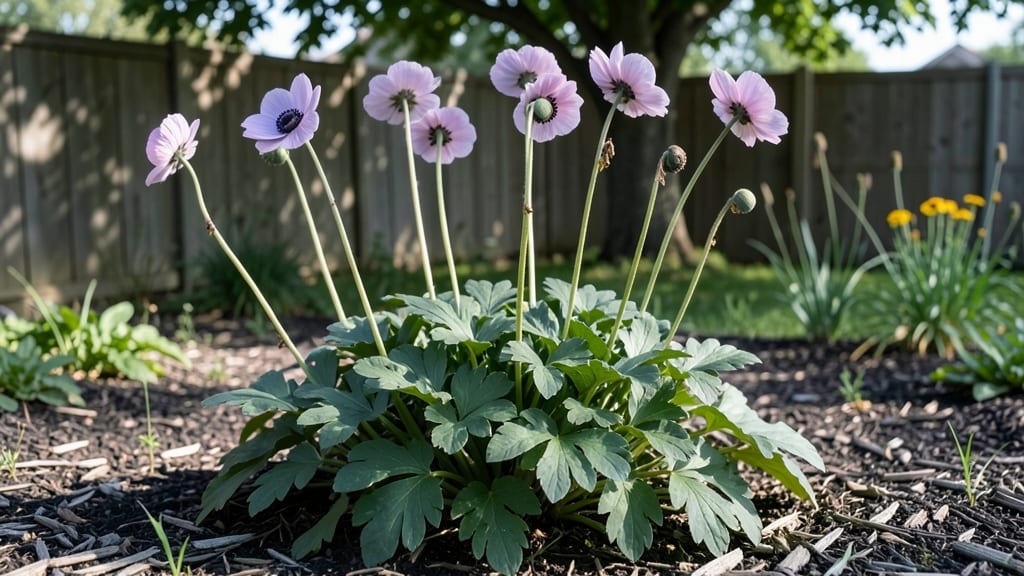
Growing Japanese anemone perennials 🌸 brings late-season magic to gardens when most flowers call it quits.
If your garden fades into dullness as summer winds down, these plants are the secret weapon for dramatic color—deep pinks, purples, and whites that bloom when everything else has quit.
They thrive in partial shade, making them perfect for under trees or along shady fences, and their easy-care nature means even beginners can enjoy their striking blooms for years.
In this guide, you’ll learn the best planting times, soil tips, and simple care routines to keep your Japanese anemones flourishing from spring through fall.
Best planting times and locations for Japanese anemones
Timing your Japanese anemone planting is everything—these perennials thrive when given the right seasonal window to establish roots before their late-summer-to-fall blooming season. Fall planting (September-October) is my top recommendation because cooler temps reduce transplant shock, while spring planting (March-May) works for zones with early last-frost dates.
The key is avoiding extreme heat or frost during establishment.
Japanese anemones love moist, well-draining soil rich in organic matter, but they’ll tolerate clay soil as long as it’s amended with compost. Partial shade (4-6 hours of morning sun) is ideal, especially in hot climates, though they’ll bloom in full shade with slightly fewer flowers.
For microclimate success, prioritize spots with afternoon shade and protection from harsh winds.
| Factor | Optimal Condition | Notes |
|---|---|---|
| Planting Window | Fall (Sept-Oct) or Spring (Mar-May) | Fall preferred in warm zones; spring for cold climates |
| Soil Type | Moist, well-draining | Amend clay with compost; avoid soggy soil |
| Sunlight Needs | Partial shade (4-6 hrs sun) | Morning sun best; afternoon shade in hot areas |
| USDA Hardiness Zones | 4-9 | Mulch heavily in Zone 4 for winter protection |
| Spacing | 18-24 inches apart | Prevents overcrowding and fungal issues |
| Microclimate Tips | North-facing slopes or tree dappled shade | Ideal for hot, dry summers |
For best blooms, plant Japanese anemones where they’ll receive morning sunlight and afternoon shade—this mimics their native woodland understory conditions. In container gardening, use large pots with drainage holes and place them where they get dappled shade from nearby trees.
I’ve found that east-facing locations near foundations or under deciduous trees create perfect microclimates.
Your USDA hardiness zone dictates planting timing: In Zone 4-5, wait until late spring after frost danger passes, while Zones 6-9 can plant in early fall for root establishment before winter. Always check your last frost date—planting too early risks frost damage to tender new growth.
Japanese anemones perform best in humid climates but adapt well to dry conditions if mulched properly. In arid regions, pair them with hostas or ferns to increase soil moisture retention. Avoid planting in low-lying areas where water pools after rain, as these perennials hate soggy roots.
When selecting a planting location, consider mature size—these can reach 3-5 feet tall and wide. Place them at the back of borders or near trees/shrubs where their late-season blooms will stand out against evergreens. I’ve seen stunning displays when planted alongside black-eyed Susans or Russian sage for extended color.
For container growing, choose pots at least 12 inches deep with well-draining mix (50% potting soil, 30% perlite, 20% compost). Place containers where they get bright indirect light and water when the top 1-2 inches of soil dry.
Containers dry out faster, so monitor moisture closely during summer heat.
One of my biggest tips is to plant Japanese anemones in groups of 3-5 for a dramatic garden impact. Their delicate, papery blooms create a stunning focal point when massed together.
Pair them with low-growing perennials like heucheras or ajugas to contrast their height and add texture to the garden.
Remember that Japanese anemones are long-lived perennials—once established, they’ll reward you with years of blooms with minimal care. The right planting time and location sets the stage for their late-season magic, turning your garden into a fall spectacle when other flowers have faded.
Step-by-step guide to planting Japanese anemones for maximum impact
Japanese anemones thrive when planted with care, and the difference between mediocre blooms and show-stopping displays often comes down to proper technique. These perennials reward patience with bold late-season flowers that outshine summer's fading blooms.
Whether you're planting bare-root tubers or dividing established clumps, follow these steps to give your anemones the best possible start.
Timing matters most—fall planting (September-October) gives roots time to establish before winter, while spring planting (March-May) works in milder climates. Choose a location with partial shade (4-6 hours of morning sun) and well-draining soil to prevent root rot.
Amend heavy clay with compost or sand if needed, as soggy soil is their biggest enemy.
- Prepare the soil: Loosen soil to 12 inches deep and mix in 2-3 inches of compost or aged manure. Test pH—aim for 6.0-7.0 (neutral to slightly acidic).
- Soak bare-root tubers: Place roots in lukewarm water for 1-2 hours to rehydrate before planting. Discard any mushy or shriveled roots.
- Dig planting holes: Space holes 18-24 inches apart (closer for dwarf varieties). Dig holes twice as wide as the root ball but only 2 inches deep—roots should sit just below soil level.
- Position roots carefully: Spread roots outward in the hole, ensuring the eyes (buds) face upward. Cover with soil, leaving 1 inch of crown exposed to prevent rot.
- Water thoroughly: Apply 1 gallon of water per plant to settle soil. Use a soaker hose to avoid displacing roots.
- Mulch generously: Spread 3 inches of mulch (straw or shredded bark) around the base, keeping it 2 inches away from stems to prevent moisture buildup.
- Pair with companions: Plant ferns, asters, or hostas nearby for shade and moisture retention. Avoid aggressive spreaders like mint or creeping charlie.
After planting, avoid heavy watering for the first week to let roots establish. Instead, check soil moisture by sticking your finger 2 inches deep—water only if dry. In hot climates, provide afternoon shade with a lightweight shade cloth (30-50% shade) to prevent wilting.
For established plants, divide clumps every 3-4 years in early spring to rejuvenate growth. Dig up the entire plant, separate roots with a sharp knife, and replant immediately. This ensures vibrant blooms and prevents overcrowding, which reduces flower production.
With the right care, your Japanese anemones will reward you with months of drama from late summer through fall. The key is patience—these perennials take 2-3 years to reach their full glory, but the wait is worth it for those showy, wind-resistant blooms that dance in the breeze.