
Flowers
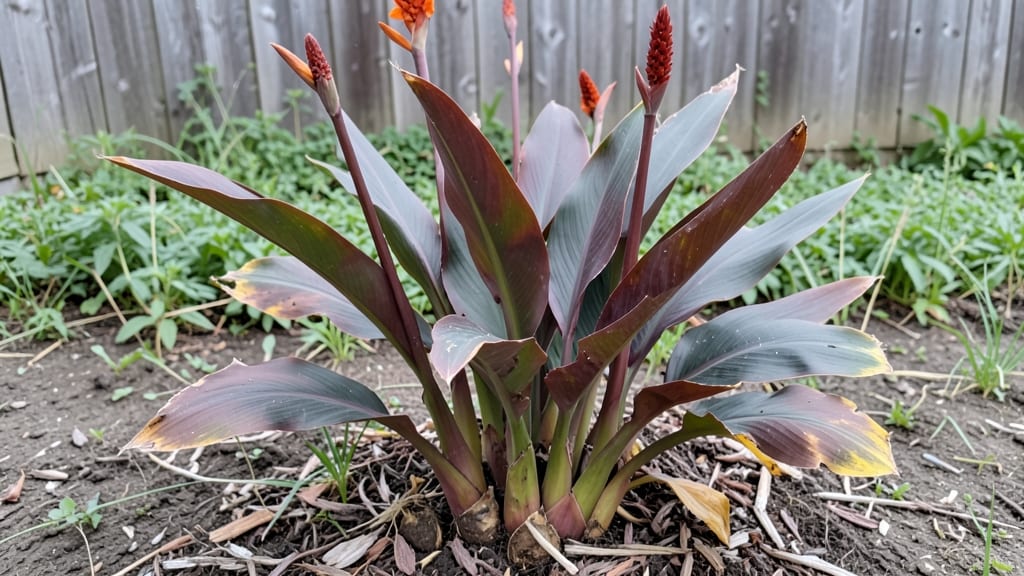
Canna plants are perennial in warm climates (USDA zones 9-11) but typically die back in colder regions, requiring winter storage to survive. Their rhizomes can regrow when temperatures rise again.
In frost-free zones like Florida or Southern California, canna plants thrive year-round because their underground rhizomes naturally store energy to fuel regrowth. 🌱 When temperatures dip below 30°F, these tropical beauties go dormant—leaves and stems die back, but the rhizomes remain alive beneath the soil, ready to burst back to life when warmth returns.
This survival strategy makes them perfect for gardeners who love bold foliage but want a low-maintenance perennial option.
For those in colder regions, the key to keeping cannas alive through winter is proper storage—think of it like putting them in a cozy hibernation state.
Unlike annuals that die completely, cannas hold onto their genetic memory, so with the right care, they'll reward you with vibrant blooms season after season.
The trick is protecting those precious rhizomes from freezing, which is why many gardeners dig them up before the first frost and store them in a cool, dark spot until spring.
💡 In This Article
- Canna Plant Lifecycle and Cold Weather Survival
- Winterizing Canna Rhizomes for Cold Climates
Canna plant lifecycle and cold weather survival
Here's what's actually happening underground when cannas behave like perennials: their thick, fleshy rhizomes act as natural storage organs, packed with starches that fuel regrowth. These underground stems contain specialized cells that store energy—similar to how sweet potatoes store nutrients—allowing the plant to survive harsh conditions.
In frost-free zones like Miami or Los Angeles (USDA zones 9-11), cannas continue this cycle naturally, with rhizomes growing deeper each season to escape heat while maintaining their energy reserves.
The magic number for canna dormancy is 40°F—when nighttime temperatures consistently drop below this threshold, the plant triggers a hormonal response that causes leaves to yellow and stems to die back.
This isn't death—it's a survival mechanism where the plant redirects all resources to the rhizome, which becomes a living battery. 🌱 What most people don't realize is that these rhizomes can remain viable for years if stored properly, unlike annuals that must be replanted each season.
The thicker the rhizome (typically 2-3 inches in diameter), the more energy it stores for future growth.
Tropical cannas have evolved differently than their temperate cousins. Plants in frost-free zones develop a more aggressive regrowth strategy because they don't experience seasonal die-back—they simply grow continuously when conditions are favorable.
This creates a feedback loop where the rhizomes grow larger each year, capable of producing more stems and leaves. In contrast, cannas in colder climates have adapted by becoming more sensitive to temperature changes, entering dormancy earlier as an evolutionary safeguard against unpredictable freezes.
What makes cannas unique compared to other perennials is their ability to regenerate from just small pieces of rhizome. Even a 1-inch segment with an eye (growth node) can produce a new plant when conditions improve—this is why gardeners can often revive seemingly dead rhizomes that have been stored improperly.
The key is maintaining moisture levels between 50-70% during storage, which prevents both rot and desiccation of these stored energy reserves.
Consider this comparison: A canna rhizome is like a potato's cousin—both store energy, but cannas have evolved for tropical climates where water is abundant but cold snaps are rare. While potatoes go dormant to survive winter, cannas go dormant to survive heat stress and occasional cold snaps.
This tropical adaptation explains why they thrive in humid climates but struggle in dry, freezing conditions—their survival strategy is optimized for warm, moist environments where energy storage is more about continuous growth than seasonal survival.
The science behind this involves a fascinating interplay between plant hormones and temperature sensitivity. When nights dip below 50°F, cannas produce higher levels of abscisic acid (ABA), the same hormone that triggers dormancy in many plants.
This hormone helps the plant close stomata (pores) to conserve water while redirecting sugars to the rhizome. The result? A plant that looks dead above ground but is actually preparing for a spectacular comeback when temperatures rise again. 💫