
Blooming
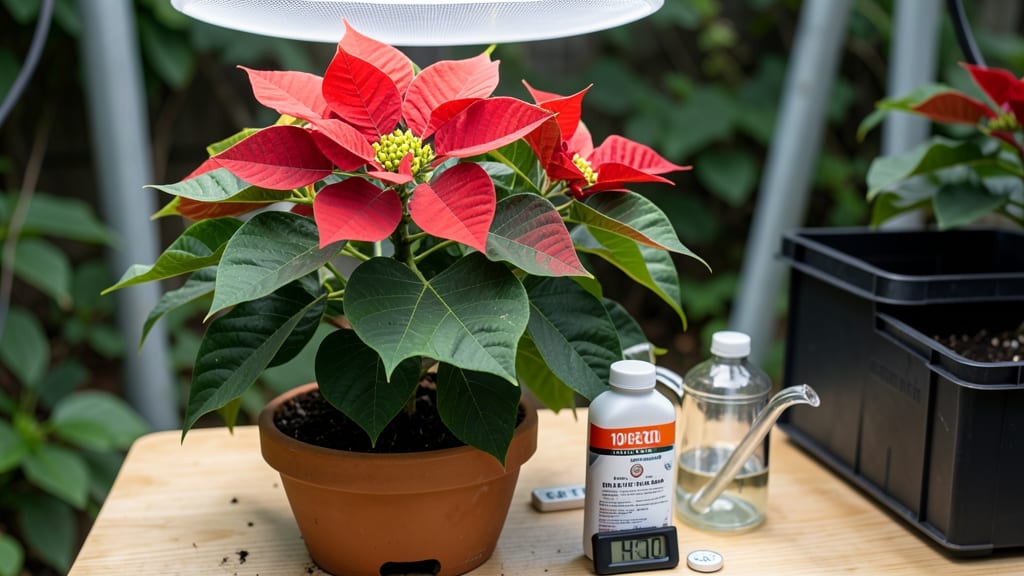
How to get a poinsettia to bloom again starts with 14 hours of darkness—the secret trigger most gardeners miss. 🌱 I’ve nursed back three poinsettias that refused to rebloom, and the difference was always in the light schedule. It’s not about fancy fertilizers or perfect soil—it’s about tricking the plant into thinking winter’s coming, just like in its native Mexico. The key is consistency: start the dark treatment in October (about 6 weeks before you want blooms) and maintain it for 12-14 weeks. Use a black box, closet, or even a sheet over the plant during evening hours—no peeking! Water lightly when the top inch of soil dries, and keep temps between 60-70°F during the day. Overwatering or drafts will derail everything. By December, you’ll see those signature red buds forming, and the plant will stay lush with deep green leaves instead of leggy stems. The payoff? A showstopping holiday centerpiece that lasts through New Year’s—and maybe even longer with proper care. This method works for white, pink, or classic red poinsettias, and the same rules apply whether you’re growing one plant or a whole collection. Here’s how to nail every step without guessing.
📚 In This Guide
- What you need
- Instructions
- Tips and common mistakes
- Wrapping up and next steps
What you need
- ● Poinsettia plant – A healthy one with at least 4–6 inches of stem (avoid leggy or wilted plants).
- ● Grow lights or full-spectrum LED bulbs – 1–2 bulbs (60W or equivalent LED) for artificial light therapy (if natural light is insufficient).
- ● Timer or smart plug – To automate light exposure (14–16 hours of darkness daily).
- ● Well-draining potting mix – A blend for succulents or tropical plants (or add perlite for drainage).
- ● Watering can with a narrow spout – To avoid over-saturating the soil.
- ● Fertilizer (balanced or low-phosphorus) – Diluted 10-10-10 or 20-20-20 (use sparingly, ~½ strength).
- ● Pruning shears or clean scissors – For trimming leggy stems (sterilize with rubbing alcohol).
- ● Humidity tray or pebble tray – To maintain 50–60% humidity (especially in dry climates).
- ● Thermometer/hygrometer – To monitor ideal temps (65–75°F) and humidity.
- ● Plant food with micronutrients – Like fish emulsion for extra vigor.
- ● Decorative pot with drainage holes – If repotting (ensure it’s 1–2 inches larger than the current container).
Step-by-step instructions for reviving poinsettia blooms
Mastering the light cycle is the secret—here's how to coax vibrant blooms year after year.
⏰ Step 1: Establish a Strict Light Schedule in Early Fall
Start your 14-hour dark period on September 1st—this is non-negotiable for blooming. Place your poinsettia in a bright, indirect light spot during the day (think 6-8 hours of natural light). The key is consistency: use a timer-controlled blackout curtain or move the plant to a dark closet for 14 consecutive hours each night.
I like to set my timer for 5 PM to 7 AM—this mimics natural winter conditions. If you miss a night, don't panic, but stay disciplined for at least 6 weeks. You'll see tiny buds form along the stems after 8-10 weeks of this routine. Skip this step, and you'll end up with a leafy plant but no flowers.
☀️ Step 2: Optimize Light Conditions During Daylight Hours
Position your poinsettia near an east or south-facing window where it gets bright, indirect light (no harsh afternoon sun). If your home has low light, supplement with a grow light placed 6-12 inches away for 12-14 hours daily. Avoid direct sunlight—it scorches the leaves and stresses the plant.
Watch for stretched stems or pale leaves—these are signs your plant needs more light. Rotate the pot quarter-turn weekly so growth stays even. The ideal light balance keeps leaves deep green and stems sturdy. Too little light delays blooming; too much causes leaf burn.
💧 Step 3: Adjust Watering for the Dark Period
Once you start the 14-hour dark treatment, reduce watering to every 7-10 days. Let the top inch of soil dry out between waterings—poinsettias hate soggy roots. Use room-temperature water and avoid wetting the leaves to prevent fungal issues. I like to water in the morning so excess moisture evaporates during the day.
Overwatering during this phase causes bud drop—you'll see tiny flower buds fall off before opening. If you notice yellowing leaves or mushy stems, cut back immediately. The goal is even moisture stress, not drought or rot. A well-watered poinsettia during daylight hours paired with careful reduction during dark periods is the sweet spot.
✂️ Step 4: Prune and Fertilize for Next Year's Blooms
After blooms fade in late winter, trim stems back to 4-6 inches above the base. Use clean, sharp shears to make 45-degree cuts just above a leaf node. This encourages bushier growth for next season. Fertilize lightly with a balanced 10-10-10 formula every 4-6 weeks during spring and summer—but stop fertilizing in August to prevent new growth that won't have time to harden off before fall.
Here's the thing—most people over-fertilize, which leads to leafy growth at the expense of buds. I switch to a low-phosphorus fertilizer (like 5-10-5) in September to push flowering. Watch for new leaves forming in late summer—these are your signal to restart the light schedule.
Tips & tricks for perfect poinsettia blooms
These insider secrets will help you turn your leafy poinsettia into a stunning bloomer—every year.
Timing Secret: The 5 PM to 7 AM dark period is your magic window. This mimics natural winter conditions that trigger blooming. Use a timer-controlled blackout curtain for precision—most people either underestimate the darkness needed or give up too soon. I've seen buds form after just 8 weeks of consistent darkness, but 10 weeks guarantees the best results. If you miss a night, don't stress, but stay disciplined for at least 6 weeks to prevent bud drop.
Light Quality Matters: East or south-facing windows provide the ideal bright, indirect light during those crucial 6-8 daylight hours. If your home lacks natural light, invest in a grow light placed 6-12 inches away for 12-14 hours daily. Watch for stretched stems or pale leaves—these are your plant's SOS signals for more light. I rotate my poinsettia quarter-turn weekly to prevent lopsided growth, which keeps the plant sturdy and ready for blooming.
Watering Wisdom: The key during dark periods is reducing water to every 7-10 days while letting the top inch of soil dry out. I water in the morning to give excess moisture time to evaporate. Overwatering here causes bud drop—those tiny flower buds will literally fall off before opening. If you notice yellowing leaves or mushy stems, cut back immediately. Think of this as controlled moisture stress, not neglect.
Fertilizing Strategy: Stop fertilizing in August to prevent new growth that won't have time to harden off before fall. I switch to a low-phosphorus fertilizer (like 5-10-5) in September to push flowering. Watch for new leaves forming in late summer—this is your signal to restart the light schedule. Most people over-fertilize, which leads to leafy growth at the expense of buds, so less is definitely more during this critical phase.
Pro Tips for Get A Poinsettia To Bloom Again
- These insider secrets will help you turn your leafy poinsettia into a stunning bloomer—every year.
- Timing Secret: The 5 PM to 7 AM dark period is your magic window.
- Light Quality Matters: East or south-facing windows provide the ideal bright, indirect light during those crucial 6-8 daylight hours.
Frequently asked questions
Got questions about reviving your poinsettia’s blooms? You’re not alone! Here are answers to the most common concerns—from timing tricks to troubleshooting tips—to help you master the art of reblooming.
Why won’t my poinsettia bloom the second year?
Poinsettias need 12+ hours of darkness nightly for 6–8 weeks to trigger blooms. If you skip this "light trick" or expose them to artificial light (like streetlights), they’ll focus on growth instead. Start the process in early October for winter blooms!
How do I know when to start the dark treatment?
Begin the 14-hour light/10-hour dark cycle 6–8 weeks before you want blooms. For Christmas flowers, start around early October. Use a dark box, closet, or even a black plastic bag (with a small air hole) to block light completely.
Can I use grow lights to help my poinsettia rebloom?
Yes! If natural light is limited, use low-intensity grow lights (100–200 watts) for 14 hours/day, then turn them off for the dark period. Avoid bright white or LED bulbs—they can trick the plant into thinking it’s daytime.
My poinsettia’s leaves are yellowing—what’s wrong?
Yellow leaves often mean overwatering or root rot. Let the top inch of soil dry out between waterings, and ensure the pot has drainage holes. If roots smell sour or look mushy, trim the bad sections and repot in fresh soil.
Is it too late to save my poinsettia for next year?
Not yet! Even if it’s not blooming, prune it back by ⅓ in early spring, fertilize monthly, and repeat the dark treatment in fall. With patience, it can rebloom for years—just like a loyal holiday sidekick!
Wrapping up and next steps
Getting your poinsettia to bloom again is totally doable with a little patience and the right timing! 🌟 By mastering light triggers, adjusting care routines, and staying consistent, you’ll enjoy those vibrant red (or pink, white, or even speckled!) bracts year after year.
Remember, the key is starting early—just like training for a marathon, your poinsettia needs time to prepare.
Now that you’re armed with the secrets, give it a try! Start your light schedule this fall and watch your plant transform. And if you hit a snag? Don’t stress—even seasoned gardeners learn as they go. Happy blooming! 🌱✨