
How To
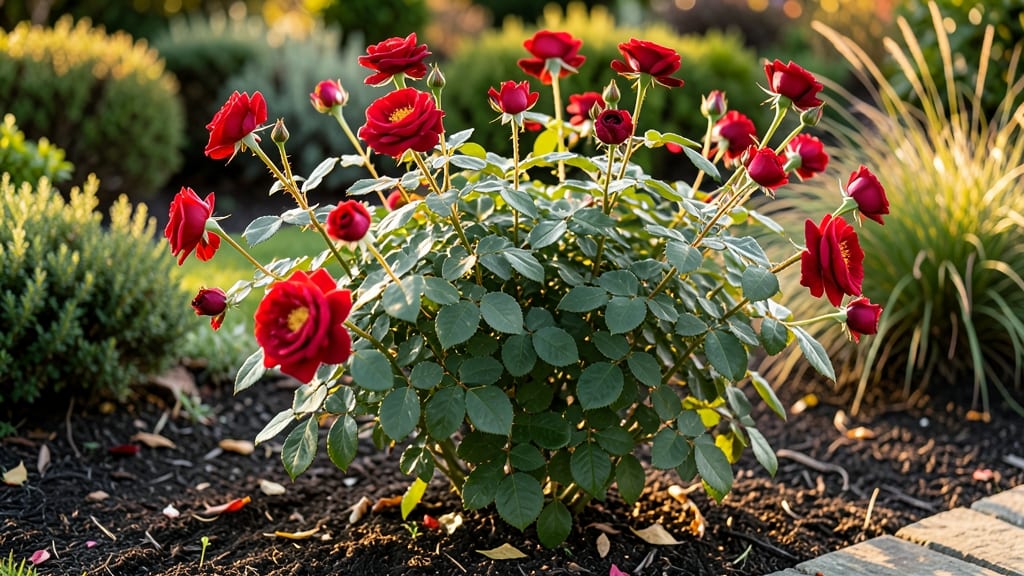
Roses bloom for 3 to 7 days per individual flower, with repeat-blooming varieties like hybrid teas and floribundas producing multiple cycles throughout the growing season. Single-bloom types such as climbers and shrub roses typically flower once before fading, while reblooming varieties can be encouraged with proper seasonal care and pruning techniques.
Understanding rose bloom duration depends on the variety and growing conditions.
The 3-7 day lifespan per bloom applies to most roses, but what makes hybrid teas and floribundas special is their ability to produce multiple bloom cycles per season—often 3-5 times—when given the right care. 🌹 For example, a single climber rose might put on one stunning show, while a well-maintained floribunda bush could reward you with fresh blooms every 6-8 weeks during its active season.
The key difference lies in their genetic programming: single-bloomers focus energy on one grand display, while rebloomers allocate resources across multiple growth spurts.
What truly extends bloom life isn't just variety selection but also proper maintenance. Deadheading spent blooms immediately signals the plant to produce new buds, while consistent watering (1-2 inches per week) and morning sunlight exposure prevent stress that shortens bloom cycles.
In cooler climates, late-winter pruning removes dead wood and encourages stronger spring growth, while in warmer zones, light pruning after each bloom flush maintains shape without sacrificing reblooming potential.
💡 In This Article
- Roses Bloom Duration by Variety: Single vs Repeat-Blooming Types
- Maximizing Rose Bloom Longevity: Pruning, Care, and Seasonal Tips
Roses bloom duration by variety: single vs repeat-blooming types
The 3-7 day bloom lifespan you see in most roses stems from their natural biological cycle. Each flower's life begins when it fully unfurls from its bud stage—a process called anthesis—and ends when the petals begin to brown and fall.
This timeline is governed by the plant's energy allocation: roses prioritize reproduction (seed production) over extended display, which is why even the longest-lasting blooms eventually fade. 🌸 What varies dramatically between types is how often they produce these blooms throughout the season.
Single-blooming varieties like climbing roses and shrub roses (e.g., 'Knock Out' roses) focus all their energy on one spectacular display, often in late spring or early summer.
These roses produce flowers on old wood (last year's growth), meaning they bloom once before fading completely unless you prune aggressively—which can risk removing next year's buds.
In contrast, repeat-blooming hybrids (like 'Double Delight' floribundas or 'Mister Lincoln' hybrid teas) grow new wood each season, allowing them to produce multiple flushes of blooms.
Hybrid teas, for example, may bloom for 5-6 weeks in a single season if conditions are ideal, with each bloom lasting 5-7 days before dropping.
The genetic difference lies in their growth habits: single-bloomers are once-flowering (often called "one flush" roses), while rebloomers are repeat-flowering with a more complex hormonal regulation.
Scientists link this to the plant's auxin and gibberellin hormone levels—rebloomers maintain higher gibberellin activity throughout the growing season, which stimulates continuous bud formation. 🌿 This is why a floribunda might produce 3-5 bloom cycles in a season, while a climber's single bloom show can last just 2-3 weeks before the plant shifts energy to seed production.
Environmental factors also play a critical role. Roses in USDA Zones 7-9 (mild winters) often rebloom more prolifically than those in colder zones because they experience fewer growth interruptions.
For instance, a hybrid tea in Zone 8 might produce 4-5 bloom cycles, while the same variety in Zone 5 may only manage 2-3 due to winter dormancy.
Even within reblooming types, there's variation: grandifloras (like 'Iceberg') tend to bloom longer per cycle (7-10 days) than floribundas (5-7 days), though they may have fewer total flushes.
Here's how the bloom durations compare across popular types:
- Climbers/Shrubs: Single bloom cycle, 2-3 weeks of display (each bloom lasts 5-7 days)
- Hybrid Teas: 3-5 bloom cycles per season, 5-7 days per bloom
- Floribundas: 4-6 bloom cycles, 5-6 days per bloom (more clusters = longer total season)
- Grandifloras: 3-4 bloom cycles, 7-10 days per bloom (larger blooms = longer individual lifespan)
The key takeaway? While every rose bloom lasts roughly the same amount of time individually, reblooming varieties compensate with frequency and volume.
A single floribunda bush might produce 50-100 blooms in a season, compared to a climber's 10-20—making the total "rose show" duration far longer, even if each flower follows the same 5-7 day rule. 🌺