
Blooming
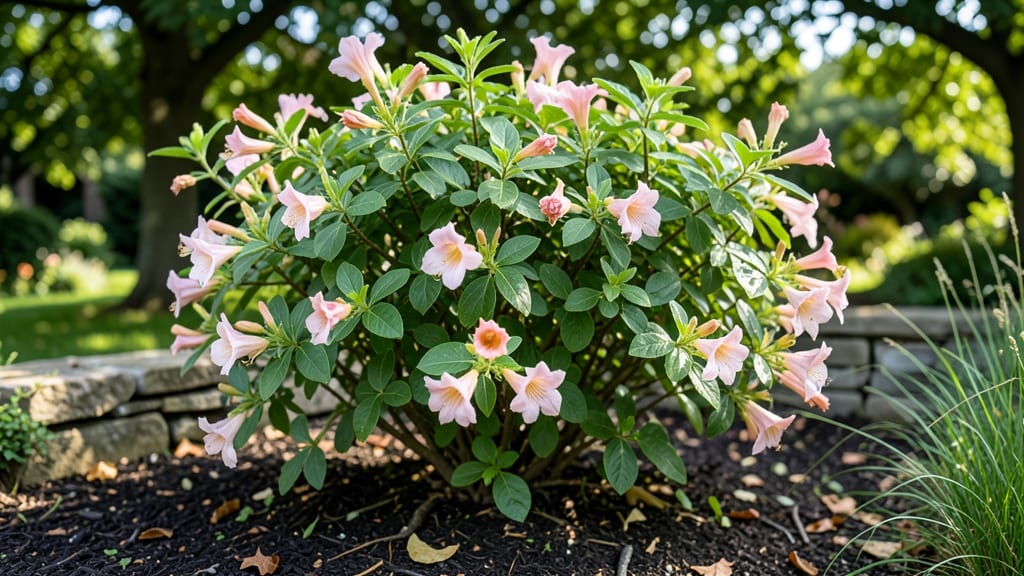
The honeysuckle bloom season stretches from early summer through late fall 🌸, turning your yard into a fragrant haven—but only if you time your pruning just right.
Picture this: you’ve waited all year for those sweet, tubular flowers to burst open, only to realize next spring’s blooms are half as plentiful. The key? Pruning after the flowers fade, not before. That’s when you encourage next year’s showstopping display.
Regional climate plays a big role—cooler zones like 6a see blooms start in June, while warmer areas can enjoy them into September. Sunlight and variety also shift the timeline, with some honeysuckles flowering twice a year if given the right care.
Below, I’ll walk you through the exact bloom windows by variety, how to extend the season, and the one pruning mistake that kills future flowers. Ready to maximize those fragrant spikes?
Honeysuckle bloom season timeline: when to expect flowers by variety
Timing your garden plans around honeysuckle's fragrant bloom season ensures you never miss the show. These Lonicera varieties offer flowers from early spring to late fall, depending on the type. Understanding each variety's bloom window helps you choose plants that extend your garden's fragrance and color palette year-round.
Climate plays a crucial role in honeysuckle blooming. Cooler northern zones (3-6) often see earlier blooms, while warmer southern zones (7-10) may experience prolonged summer flowering. Even within the same zone, microclimates can shift bloom timing by 2-4 weeks. Let's explore the specific bloom seasons for popular honeysuckle varieties.
For gardeners in USDA zones 3-6, early bloomers like Lonicera nitida 'Maigrün' (April-May) provide welcome color before summer arrives. These varieties often bloom on old wood, meaning they set flower buds the previous season. Pruning after blooms ensures next year's flowers appear.
Southern gardeners in zones 7-10 can enjoy extended blooming from Lonicera japonica varieties that flower from June through September. The warm climate allows these vines to produce multiple bloom cycles. In humid southern climates, provide afternoon shade to prevent leaf scorch while maintaining morning sun for optimal flowering.
Regional adjustments are key. In Pacific Northwest zones 7-9, coastal areas may see blooms 2-3 weeks earlier than inland locations due to milder winters. For example, 'Hall's Prolific' might bloom in late April near the coast but wait until mid-May inland. Monitor local frost dates to protect early bloomers.
Extending the bloom season requires strategic planting. Combine early bloomers like 'Maigrün' with late-season varieties like 'Halliana'. This creates a continuous fragrance display from April through September. For maximum impact, plant honeysuckles near patio seating areas or garden entryways where their scent can be fully appreciated.
Climate change has shifted bloom timing in many regions. Some gardeners report earlier blooming by 1-2 weeks over the past decade.
Post-bloom pruning guide: step-by-step for maximum next-year flowers
After your honeysuckle 🌸 puts on its fragrant show, proper post-bloom pruning is essential to encourage lush regrowth and next year's abundant flowers. The key is timing—prune too early, and you risk cutting off next season's flower buds hidden in the stems.
Late summer to early fall is your ideal window, typically between mid-August and September in most USDA zones.
Honeysuckle blooms on old wood (last year's growth), so avoid heavy pruning that removes mature stems. Instead, focus on light shaping and removing dead or weak growth. This balanced approach maintains your vine's vigor while preserving its natural climbing structure. Let's break it down into clear, actionable steps.
- Step 1: Wait for Blooms to Fade Prune only after all flowers have dropped naturally. This ensures you don’t accidentally remove next year’s flower buds, which form after blooming.
- Step 2: Gather Your Tools Use clean, sharp pruners (bypass pruners work best) and disinfect them with rubbing alcohol to prevent disease spread. A hand saw may be needed for thicker stems.
- Step 3: Remove Dead or Diseased Wood Cut out any brown, mushy, or blackened stems at the base. These won’t regrow and can harbor pests or diseases that harm healthy growth.
- Step 4: Thin Overcrowded Areas Look for crossing or rubbing branches and remove one of the two. This improves airflow and reduces disease risk while maintaining an open, airy structure.
- Step 5: Lightly Shape the Vine Trim back overly long or leggy growth by up to one-third of its length. Focus on stems that spoil the vine’s natural shape or block sunlight from inner growth.
- Step 6: Avoid Heavy Pruning Never remove more than 30% of the plant’s foliage in one session. Honeysuckle is resilient, but drastic cuts can stress the vine and reduce next year’s flower production.
- Step 7: Clean Up and Mulch Rake up and dispose of clippings (don’t compost if diseased). Apply a 2-inch layer of mulch around the base to retain moisture and suppress weeds.
For climbing varieties, like Lonicera sempervirens, prioritize pruning stems that grow away from your trellis or support structure. This encourages denser growth along the intended path.
Always make cuts at a 45-degree angle, just above a leaf node or bud, to promote faster healing and new growth.
After pruning, give your honeysuckle a light fertilizer application (use a balanced 10-10-10 formula) to support root recovery. Water deeply to help the plant establish new roots before winter. With the right post-bloom care, your honeysuckle will reward you with even more fragrant blooms next season.
Pro tip: Mark your calendar for next year’s late winter pruning (just before new growth starts). This is another opportunity to shape your vine and remove any weak or damaged stems that over-wintered poorly.