
Blooming
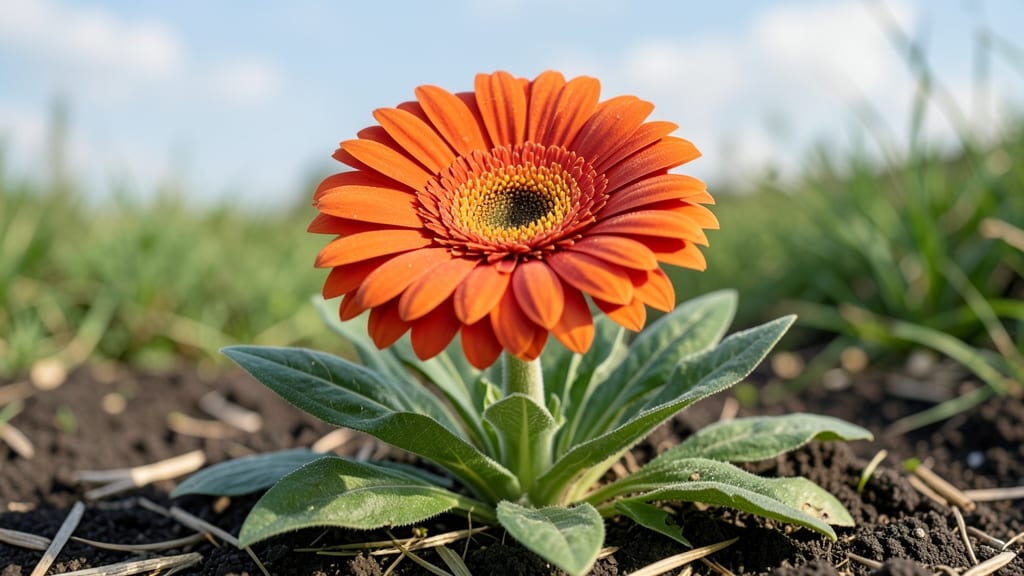
Gerbera daisies burst into color like clockwork—60 days after planting, if you nail the sunlight and timing. 🌸 I’ve watched them transform from fuzzy seedlings to vibrant blooms every spring, and the secret isn’t just patience—it’s matching their needs to the season.
These aren’t one-hit wonders; with the right care, they’ll reward you with weeks of continuous blooms from late spring through summer’s end.
Sunlight is their love language—6 to 8 hours of direct light daily is non-negotiable. Too little, and they’ll stretch and sulk; too much midday heat (especially in Zone 8+), and they’ll fade fast.
Temperature matters too: they thrive in 55–75°F, so early spring starts in cooler zones need protection until soil warms. Plant them after your last frost, and you’ll hit that 60-day bloom window just as summer kicks in.
What you’ll get isn’t just flowers—it’s a showstopper display of reds, oranges, and yellows that brightens borders, containers, or cutting gardens. The key to prolonging blooms?
Deadheading spent flowers and feeding them every 4–6 weeks with a balanced fertilizer. Skip that, and you’ll end up with leggy stems and fewer blooms.
These aren’t annuals—they’re perennials in Zones 9–11, but most gardeners treat them as tender perennials or short-lived annuals elsewhere. For cooler climates, treat them like a seasonal star: plant fresh each spring, and they’ll deliver year after year without fail.
Here’s how to set them up for that first burst of color.
📚 In This Guide
- What you need
- Instructions
- Tips and common mistakes
- Wrapping up and next steps
What you need
- ● Gerbera daisy plants: 3–5 healthy nursery-grown plants (choose varieties like ‘Red Torch’, ‘Green Lady’, or ‘Orange Queen’ for bold blooms).
- ● Well-draining potting mix: 10–15 lbs of cactus/succulent mix (or blend 50% garden soil + 50% perlite/sand for outdoor planting).
- ● Containers (if potted): 6–8-inch diameter pots with drainage holes (1 pot per plant).
- ● Balanced fertilizer: 10–10–10 or 20–20–20 NPK formula (1 tbsp per plant, diluted in water).
- ● Slow-release granules: 1 cup of Osmocote or similar (mix into soil for steady nutrients).
- ● Watering can: With a fine rose nozzle for gentle hydration.
- ● Pruning shears: Sharp, sterilized pair (for deadheading and trimming).
- ● pH test kit: To check soil pH (ideal range: 6.0–6.5).
- ● Gloves: Garden gloves to protect hands from soil and thorns.
- ● Sunlight access: 6+ hours of direct sunlight daily (south- or west-facing spot).
- ● Temperature gauge: Gerberas thrive in 60–75°F (15–24°C).
- ● Epsom salt (1 tsp per gallon of water monthly for magnesium boost).
- ● Mulch (2–3 inches of straw or pine bark to retain moisture).
- ● Grow lights (LED full-spectrum, 12–14 hours/day if indoors).
- ● Stakes or supports (for tall varieties like ‘Giant Gerbera’).
How to trigger Gerbera daisy blooms in 60 days
Sunlight is the secret weapon for forcing vibrant gerbera blooms on schedule—here's how to harness it.
☀️ Step 1: Position for Maximum Daily Sunlight
Gerberas demand 6-8 hours of direct sunlight daily—no compromise. Place them in a spot where they receive morning sun plus afternoon rays, like a south-facing window or patio. I've found that east or west exposures work too, but you'll need supplemental grow lights if blooms appear sparse.
Rotate the pots a quarter turn weekly so plants grow evenly rather than leaning toward the light source. You'll notice stems growing straighter and leaves developing a richer green color within two weeks of consistent rotation. If leaves start yellowing between veins, that's a clear sign of too much sun—move to partial shade immediately.
💧 Step 2: Water Deeply at Soil Level
Water gerberas at the base rather than overhead to prevent fungal diseases that thrive in damp foliage. Use 1 cup of water per pot daily during active growth, but always check the top 2 inches of soil first—water only when it feels completely dry. Overwatering is the #1 killer of gerberas; I've seen entire plants collapse from root rot in just 48 hours.
Use room-temperature water to avoid shocking the roots. The ideal moisture level keeps soil lightly damp but never soggy. You'll know you're doing it right when water runs freely from the drainage holes within 10 minutes of watering—no puddling, no dry spots.
✂️ Step 3: Deadhead and Fertilize Strategically
Remove spent blooms by pinching them off at the base with your fingers—no need for shears. This redirects the plant's energy from seed production to creating new buds. I deadhead every morning after breakfast, and within 3-5 days, you'll see fresh flower buds forming at the base of the plant.
Feed with a balanced 10-10-10 fertilizer every 4-6 weeks during the growing season. Dilute to half-strength to avoid burning tender roots. You'll notice new growth appearing within 7-10 days of fertilizing—look for fresh, bright green leaves emerging from the center of the plant.
⏰ Step 4: Time Temperature and Light for Peak Blooming
Gerberas bloom best when daytime temperatures stay between 60-75°F. If your summers run hotter, provide afternoon shade during heatwaves. I've seen blooms open in as little as 60 days when all conditions are perfect—bright light, consistent moisture, and proper deadheading.
Watch for bud formation in the center of the plant. When buds appear 1 inch in diameter, they'll typically open within 5-7 days. The first blooms often set the stage for a continuous display if you maintain all care practices. If buds form but fail to open, check for insufficient light or temperature swings above 80°F.
Tips & tricks for perfect Gerbera daisy blooms
Real talk: Sunlight is everything for gerberas, but there are subtle tricks that make all the difference between pretty leaves and vibrant blooms.
Light Exposure Strategy: The 6-8 hours of direct sunlight in Step 1 is non-negotiable, but here's what nobody tells you—gerberas actually benefit from morning sun plus afternoon shade in hot climates. If you notice buds forming but not opening, try moving plants to a spot with morning sun and afternoon shade during peak summer months (above 80°F). I've seen buds that refused to open in full sun suddenly bloom within 48 hours when moved to this adjusted light schedule.
Watering Wisdom: That 1 cup daily measurement in Step 2 is a guideline, not a rule. In cooler weather (below 60°F), you might only need half that amount—check the top 2 inches of soil first. The key is consistency: I've found that using a moisture meter near the roots gives more reliable readings than visual inspection. When the meter reads dry at 2 inches deep, that's your cue to water. The 10-minute drainage rule is critical too—if water pools after 15 minutes, your pot may need better drainage or a lighter soil mix.
Fertilizer Timing: The 4-6 week interval for 10-10-10 fertilizer is perfect, but here's my secret: I always fertilize right after deadheading in Step 3. This gives the plant an immediate nutrient boost when it's most actively producing new growth. You'll notice fresh leaves appearing within 7-10 days—look for that bright green color emerging from the center of the plant. If you see yellowing between veins, that's a sign of over-fertilizing; flush the soil with water immediately and reduce to every 8 weeks.
Temperature Troubleshooting: Those 60-75°F daytime temps are ideal, but real-world conditions vary. If your thermometer hits 80°F consistently, provide afternoon shade using sheer curtains or shade cloths. I've had gerberas in balconies where afternoon sun would scorch leaves by 3 PM—adding shade made all the difference. For indoor plants, a small fan circulating air around them helps prevent heat stress, especially when buds are forming.
Pro Tips for Gerbera Daisy Bloom Time
- Real talk: Sunlight is everything for gerberas, but there are subtle tricks that make all the difference between pretty leaves and vibrant blooms.
- Light Exposure Strategy: The 6-8 hours of direct sunlight in Step 1 is non-negotiable, but here's what nobody tells you—gerberas actually benefit from morning sun plus afternoon shade in hot climates.
- Watering Wisdom: That 1 cup daily measurement in Step 2 is a guideline, not a rule.
Frequently asked questions
Got questions about getting those vibrant Gerbera daisy blooms on schedule? You’re not alone! Here are answers to the most common queries about bloom time, care, and troubleshooting—so you can enjoy your sun-kissed flowers in just 60 days.
How much sunlight do Gerbera daisies really need to bloom on time?
Gerbera daisies thrive with 6–8 hours of direct sunlight daily. If your garden gets less, supplement with a grow light (12–14 hours/day) to kickstart blooming. Too little light? Expect slower growth and fewer flowers. Pro tip: South-facing windows or balconies are ideal for container growers!
Why are my Gerbera daisies taking longer than 60 days to bloom?
Bloom delays often stem from overcrowding, poor soil, or inconsistent watering. Ensure pots have drainage, use well-draining soil, and water at the base (not leaves) to avoid fungal issues. Cold drafts or temps below 50°F (10°C) can also stall blooming. Move plants to a warmer, sunnier spot if needed.
Can I force Gerbera daisies to bloom earlier than 60 days?
While 60 days is the standard, you can speed up blooming slightly with these tricks:
- Use bloom-boosting fertilizer (high in phosphorus) every 2 weeks after planting.
- Pinch back leggy stems to encourage bushier growth.
- Keep soil consistently moist but not soggy.
However, don’t rush it—over-fertilizing or stressing plants can backfire!
What should I do if my Gerbera daisies bloom but the flowers are small or sparse?
Small or sparse blooms usually mean nutrient deficiencies or overpruning. Try:
- Switch to a balanced 10-10-10 fertilizer (or bloom-specific formula).
- Avoid deadheading all spent blooms—leave a few to encourage new growth.
- Check for pests (like aphids) that sap energy from flowers.
If the issue persists, your plant may need a fresh pot or soil to revive.
Are there Gerbera daisy varieties that bloom faster than 60 days?
Most standard Gerbera daisies follow the 60-day timeline, but dwarf varieties (like ‘Mini Star’) can bloom in 45–50 days with ideal care. For year-round blooming, opt for heat-tolerant hybrids (e.g., ‘Terry Double’), which handle warmer climates better. Check seed packets for “early bloom” labels!
Wrapping up and next steps
Watch your gerbera daisies burst into vibrant blooms in just 60 days with the right care! By mastering sunlight exposure, soil conditions, and seasonal timing, you’ll unlock their full potential—turning your garden into a rainbow of color. 🌈
Ready to transform your space? Start by planting your bulbs this week and track their progress. With patience and attention, you’ll soon enjoy a dazzling display that brightens every day. Happy gardening! 🌱