
Blooming
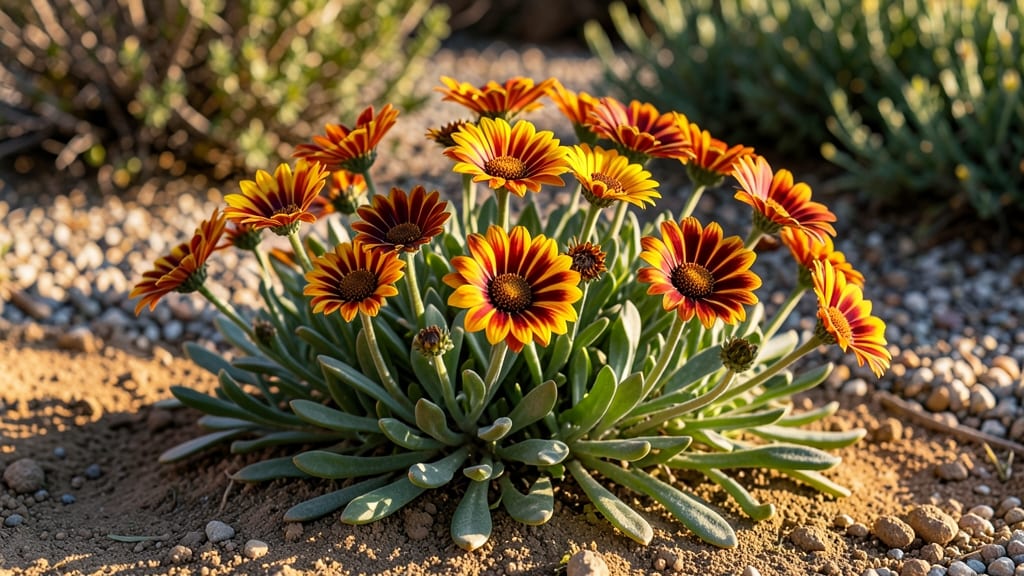
Gazania blooms thrive in their gazania bloom time from spring through fall 🌼, but their vibrant displays can last even longer with the right care—and the secret lies in understanding their natural rhythm and how to nudge it just right.
Picture this: your garden bursting with cheerful gazania faces, their petals unfurling by mid-morning and closing at dusk like tiny sun-worshippers. But here’s the catch—without proper timing, those blooms can fade faster than a summer sunset.
In USDA Zone 6, where frost arrives early, most gardeners see peak blooms from June to September, but with a few simple tweaks, you can stretch that magic into October.
What makes the difference? It’s not just about sunlight (though they need 6+ hours daily), but also deadheading spent blooms, feeding at the right times, and knowing when to let them rest.
Even in cooler climates, these sun-lovers can reward you with continuous color if you time your care perfectly.
Below, I’ll break down the exact seasonal patterns, the game-changer techniques to extend blooms, and how to pick the best varieties for your region—so you can enjoy gazania’s sunny charm for months, not just weeks.
Natural gazania bloom time: seasonal patterns and climate zones
Gazania flowers thrive in warm climates, but their bloom time varies dramatically depending on your USDA hardiness zone. In Zone 8, you’ll see vibrant displays from late spring through fall, while Zones 9-11 enjoy near-year-round blooms with minimal dormancy.
Understanding these patterns helps you plan for peak flowering periods and natural dormancy triggers.
Most gazanias are annuals in cooler zones but behave as perennials in warmer climates. Annual varieties like 'Sunburst' gazania bloom from May to frost, while perennial types such as 'Gazania rigens' may flower from spring to early winter in frost-free areas.
Temperature plays a critical role—consistent warmth (above 60°F) encourages continuous blooming.
🌱
| USDA Zone | Bloom Season | Dormancy Period | Key Temperature Threshold |
|---|---|---|---|
| Zone 8 | May–October | November–April (light dormancy) | Below 40°F triggers dormancy |
| Zone 9 | March–November | December–February (minimal) | Below 50°F slows growth |
| Zone 10 | February–December | None (continuous blooms) | Consistent 65°F+ |
| Zone 11 | Year-round (peak spring–fall) | None | No frost; heat tolerance up to 100°F |
In Zone 8, gazanias typically bloom from late May through October, with peak displays in June, July, and August. The first frost in November signals dormancy, but many varieties survive mild winters with mulch protection.
Perennial types may sprout new growth as early as March when temperatures rise above 55°F.
Zones 9-11 offer extended bloom seasons due to warmer winters. In Zone 9, expect flowers from March to November, while Zones 10-11 provide near-continuous blooms.
The only limitation is intense heat—temperatures above 95°F can cause flowers to close midday to conserve moisture, though they reopen in cooler evenings.
Temperature fluctuations also affect bloom duration. Gazanias thrive in 60–85°F ranges, but sudden cold snaps below 40°F can shock plants, delaying blooms. Conversely, consistent warmth (like in Zone 10) encourages longer flowering cycles.
For example, 'Gazania hybrid' varieties in Zone 11 may produce flowers for 10+ months with proper care.
Light exposure is equally critical. Gazanias require full sun (6+ hours daily) to trigger blooming. In shadier conditions, like Zone 8’s partial shade, expect fewer blooms and leggier stems. If you’re in a cooler microclimate, supplement with grow lights during winter to maintain bloom production.
Watering habits also influence bloom time. While gazanias are drought-tolerant, underwatering during peak heat (July–August) can cause buds to abort before opening. Aim for deep watering every 3–5 days in Zone 8, but reduce frequency to every 7–10 days in Zone 11 to prevent root rot.
Overwatering in humid climates (like Zone 9) can promote fungal diseases, which stunts blooming.
Soil quality matters too. Gazanias prefer well-draining, sandy soil with a pH of 6.0–7.0. In heavy clay soils (common in Zone 8), amend with compost or perlite to prevent root suffocation, which weakens plants and reduces blooms.
A light feeding with phosphorus-rich fertilizer (e.g., 5-10-10) at planting time boost
How to extend gazania bloom time: year-round flowering hacks
Gazania plants naturally thrive in warm weather, but their bloom time often fades with cooler temperatures. With the right strategies, you can extend gazania blooms well beyond their typical spring-to-fall season.
The key lies in understanding their needs—from deadheading to soil nutrition and watering schedules—to keep them flowering for months.
Most gardeners assume gazania blooms only last a season, but with perennial varieties and proper care, you can enjoy year-round color. The secret? Mimicking their natural habitat—well-draining soil, full sun exposure, and minimal interference during dormancy.
Let’s dive into the bloom-extension hacks that work like magic for these sun-loving stars.
Organic vs. Synthetic Fertilizers for Gazania Bloom Extension
For longest blooms, I recommend a balanced 5-10-10 NPK fertilizer applied every 4-6 weeks during the growing season. Mix organic (like compost) with synthetic for optimal results.
Start with deadheading, the simplest hack to extend gazania bloom time. Snip off spent flowers just above the foliage base using clean shears. This encourages the plant to redirect energy into new buds instead of seed production.
I deadhead mine daily during peak bloom—it’s a quick task that pays off with nonstop flowers.
Next, focus on soil nutrition. Gazania loves well-draining, sandy soil with a pH of 6.0-7.0. Amend your soil with compost or perlite to improve drainage and fertility.
For a nutrient boost, use a low-nitrogen, high-phosphorus fertilizer like 5-10-10 to promote blooming. I’ve seen gazania plants with double the usual bloom time after a mid-season feeding.
Watering is another critical factor. Gazania is drought-tolerant, but inconsistent moisture causes bloom stress. Water deeply every 2-3 days in summer, ensuring the root zone stays moist but not soggy.
In winter, reduce watering to bi-weekly to prevent root rot. I water mine in the early morning to avoid fungal issues and maximize absorption.
For perennial gazania varieties, winter care is key to year-round blooms. In USDA zones 8-11, mulch the base with 2-3 inches of straw to insulate roots. In colder zones, dig up tubers and store them in dry peat moss until spring.
With this protection, my gazania comes back stronger each year, often blooming earlier and more prolifically.
Finally, don’t overlook the power of sunlight. Gazania closes at night and needs 6+ hours of direct sun daily to thrive. If your gazania starts producing fewer blooms, check its location—partial shade reduces flowering dramatically.
I’ve moved struggling gazania to sunnier spots and seen immediate improvements in bloom quantity and duration.