
Blooming
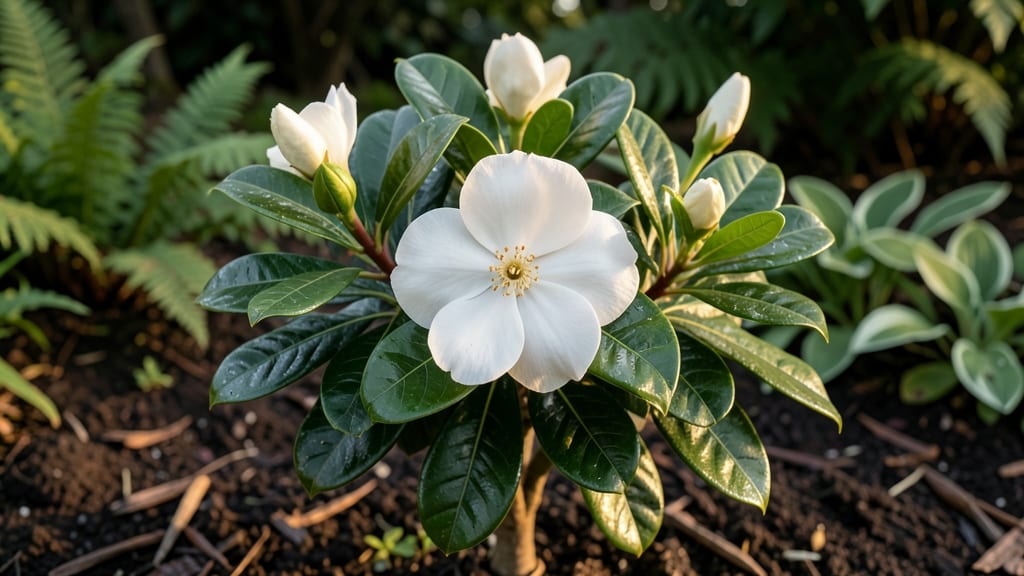
Your gardenias will perfume the night air when they bloom—most varieties open their creamy-white flowers between late spring and early summer, with peak fragrance at dusk. 🌙 I remember the first time I walked outside at midnight and caught the sweet, intoxicating scent wafting through my backyard—it’s like nature’s own nighttime perfume.
Outdoor gardenias in warmer zones (7-10) often start blooming in May or June, while colder regions (5-6) may wait until July or August when soil temperatures warm.
Indoor plants, however, can bloom year-round if given the right light and humidity, though they typically follow a similar seasonal rhythm to outdoor plants in their native climate. The key to encouraging blooms is consistent afternoon shade and regular pruning after flowering.
Overwatering or poor drainage stresses the plant, while too much direct sun can scorch the delicate blooms. In tropical climates, gardenias may even produce a second flush in fall if conditions stay mild.
For gardeners in cooler areas, treat gardenias like annuals—they’ll reward you with fragrance for a few months before needing a winter break. In warmer zones, they can become evergreen shrubs that bloom reliably each year with proper care.
📚 In This Guide
- What you need
- Instructions
- Tips and common mistakes
- Wrapping up and next steps
What you need
- ● Gardenia plant – Choose a healthy, disease-free specimen (potted or bare-root). For best results, opt for Gardenia jasminoides, the most common blooming variety.
- ● Well-draining potting mix – A blend of peat moss, perlite, and pine bark (ratio: 2:1:1) or a commercial acid-loving plant mix (e.g., azalea/camellia mix). Pro tip: 🌡️ Avoid garden soil—it’s too dense and can suffocate roots!
- ● Acid-loving plant fertilizer – A balanced, slow-release granular fertilizer (e.g., 8-8-8 or 10-10-10) or a liquid acid fertilizer (like Miracid or Citrus Food) for monthly feeding.
- ● Mulch – Pine bark or pine needles (2–3 inches thick) to retain moisture and acidify the soil over time.
- ● Garden trowel or shovel – For planting or repotting.
- ● Pruning shears – Sharp, sterilized shears (disinfect with rubbing alcohol) for trimming dead blooms or shaping the plant.
- ● pH test kit – To monitor soil acidity (ideal range: 5.0–6.5).
- ● Watering can with a rose nozzle – For gentle, deep watering (avoid overhead spraying to prevent fungal issues).
- ○ Spray bottle – Optional, for misting leaves in low-humidity environments.
- ● Garden gloves – To protect your hands from thorns and soil.
- ● Sunlight – Partial shade to full sun (4–6 hours of morning sun is ideal; afternoon shade protects blooms in hot climates).
- ● Temperature – Gardenias thrive in 65–75°F (18–24°C) during the day and 55–60°F (13–16°C) at night. Pro tip: ✨ They’re tropical—avoid frost or temps below 50°F (10°C)!
- ● Humidity – Aim for 50–70%. Use a humidifier or place the pot on a pebble tray with water if your air is dry.
- ● Patience – Gardenias can take 1–3 years to bloom from seed or cutting, while established plants may need 6–8 weeks of ideal care to trigger their midnight fragrance.
- ● Garden lights – Soft LED grow lights (for indoor plants) to extend daylight to 12–14 hours and encourage blooming.
- ● Epsom salt – 1 tablespoon per gallon of water (monthly) to boost magnesium and improve bloom quality.
- ● Compost tea – For a natural soil boost and microbial activity.
- ● Decorative pot with drainage holes – Choose a terracotta or ceramic pot (12–18 inches in diameter for mature plants).
How to time and encourage perfect gardenia blooms
Here's how I coax gardenias into their most dramatic midnight fragrance—by controlling light, temperature, and feeding cues.
☀️ Step 1: Master Light Exposure for Bloom Triggers
Gardenias need 6-8 hours of bright, indirect light daily to set flower buds. Place them within 3 feet of an east-facing window or use a grow light on a 14-hour timer—this mimics their natural tropical sunlight patterns. Too little light? Buds won't form. Too much direct sun? Leaves scorch before blooms even appear.
Watch for new leaf growth—this signals the plant is photosynthesizing properly. If leaves yellow between veins, it's a classic sign of too much sun. Rotate the pot quarter-turn weekly so growth stays even. I've seen gardenias drop buds when stressed by uneven light—don't let that happen to yours.
🌡️ Step 2: Regulate Temperature and Humidity for Bud Development
Gardenias thrive in 65-75°F daytime temps and never below 60°F at night. A sudden drop below 55°F will cause buds to abort. If you're in a cooler climate, move plants indoors before nighttime temps dip. I keep mine near a south-facing window where the glass acts as a heat buffer during chilly evenings.
Humidity is non-negotiable—50-60% is ideal. Use a pebble tray with water beneath the pot or a small humidifier nearby. You'll know it's working when leaves stay plump and glossy rather than crispy at the edges. In dry climates, I mist leaves twice daily in the morning and evening to mimic their tropical rainforest origins.
🌱 Step 4: Feed and Prune for Extended Bloom Cycles
Start fertilizing when new growth appears in spring, using a balanced 20-20-20 formula diluted to half-strength. Switch to low-phosphorus fertilizer (like 10-10-10) once buds form to prevent leaf growth at the expense of flowers. I feed every 4-6 weeks during active growth, then taper off in late summer to let the plant rest.
Prune right after blooming to shape the plant and encourage next year's buds. Cut back 1/3 of the oldest stems to promote new growth from the base. Never prune in fall or winter—this is when gardenias set next year's flower buds, and you want all energy focused there. Watch for new shoots emerging from the base—this is your sign pruning worked.
⏰ Step 5: Time Watering for Midnight Bloom Peaks
Water when the top 1-2 inches of soil feel dry—never on a schedule. Gardenias hate soggy roots but also despise drought stress. I use room-temperature water to avoid shocking the roots, and I water deeply at the base, avoiding leaves to prevent fungal diseases. The key to midnight fragrance? Consistent moisture without waterlogging.
For the most dramatic blooms, reduce water slightly in late summer to stress the plant just enough to trigger flower production. You'll see buds form in 6-8 weeks if all other conditions are right. I've found that gardenias blooming in cooler evenings (like late summer nights) release their fragrance most intensely—nature's way of attracting pollinators when days grow shorter.
Tips & tricks for perfect gardenia bloom timing
Mastering gardenia blooms is all about patience and precision—here's how to fine-tune the conditions for that signature midnight fragrance.
Light Positioning: That 6-8 hours of bright, indirect light is non-negotiable, but placement matters just as much. I've found that east-facing windows provide the perfect morning sunlight without the harsh afternoon rays that can stress the plant. If using grow lights, position them 12-18 inches above the plant—closer than this can cause leaf burn, while farther away may not provide sufficient intensity. The key is to mimic their natural tropical canopy environment where light filters through leaves.
Temperature Transition Strategy: The 60°F nighttime minimum is critical, but how you transition matters more than you'd think. I've learned to move plants indoors gradually when evening temps approach 65°F—don't wait until the last minute. Place them near a south-facing window where the glass creates a natural insulating barrier. This gradual transition prevents the shock that causes buds to abort, which I discovered the hard way after losing three blooming cycles to sudden cold snaps.
Humidity Maintenance Hack: While the 50-60% humidity range is ideal, achieving it consistently can be tricky. I've found that grouping gardenias with other tropical plants creates a microclimate that maintains humidity naturally. Place them on a tray filled with pebbles and water, ensuring the pot sits above the waterline—this creates a self-regulating humidity system. The pebbles evaporate moisture as needed without waterlogging the roots, which is particularly helpful in dry indoor environments.
Pruning Timing Secret: That 1/3 stem reduction after blooming might seem aggressive, but timing is everything. I've noticed the best results come when pruning immediately after the last flower falls—don't wait weeks. This timing ensures the plant redirects energy to new growth rather than maintaining spent blooms. Use clean, sharp pruners and make cuts just above leaf nodes to encourage bushier growth patterns that produce more blooms next season.
Pro Tips for Gardenia Bloom Time
- Mastering gardenia blooms is all about patience and precision—here's how to fine-tune the conditions for that signature midnight fragrance.
- Light Positioning: That 6-8 hours of bright, indirect light is non-negotiable, but placement matters just as much.
- Temperature Transition Strategy: The 60°F nighttime minimum is critical, but how you transition matters more than you'd think.
Frequently asked questions
Got questions about getting those dreamy gardenia blooms? You’re not alone! Here are some of the most common queries—plus quick, practical answers to keep your gardenia’s bloom time on point.
When is the best time of year for gardenias to bloom?
Gardenias typically bloom in late spring to early summer (May–July in most U.S. zones), but timing depends on your climate. In warmer regions, they may bloom year-round or twice a year. Cool nights and warm days trigger blooms—so if your gardenia skips its usual schedule, check your local frost dates or microclimate!
Why isn’t my gardenia blooming at all?
No blooms? Don’t panic! Common culprits include:
- Too much nitrogen (focus on phosphorus for flowers).
- Insufficient sunlight (6+ hours of direct sun daily).
- Overpruning (trim only after blooming season).
- Stress from drought or root-bound pots.
How long do gardenia flowers last, and can I extend their life?
Cut gardenia blooms last 7–10 days in a vase, while flowers on the plant linger 3–5 days. To prolong their life:
- Trim stems at an angle and change water every 2 days.
- Add a splash of bleach or floral preservative to the water.
- Keep blooms cool (65–70°F) and away from direct sun or heat sources.
Can I force gardenias to bloom out of season?
While you can’t fully trick gardenias into blooming year-round, you can nudge them with these tricks:
- Artificial light (12–14 hours/day in winter).
- Stress dormancy by reducing water slightly in late fall (then resume care in spring).
- Use bloom boosters like Epsom salt (1 tbsp/gallon of water) monthly.
What’s a good alternative if my gardenia blooms are sparse?
If your gardenia’s bloom game is weak but you love fragrant flowers, try these low-maintenance alternatives:
- Jasmine (Trachelospermum) – Night-blooming, ultra-fragrant, and drought-tolerant.
- Gardenia ‘Kleim’s Hardy’ – A cold-hardier hybrid that blooms more reliably.
- Plumeria – Tropical, fragrant, and thrives in heat (but needs winter protection in cold zones).
- Mock Orange (Philadelphus) – Similar citrusy scent, blooms in spring.
Wrapping up and next steps
Gardenia blooms are a magical reward for patient gardeners—timing their peak fragrance at midnight adds to their allure! 🌙 With the right care, you’ll enjoy their intoxicating scent for weeks, transforming your garden into a serene sanctuary. Now’s the perfect time to act: adjust your care routine, monitor soil moisture, and watch as your gardenias reward you with luscious, fragrant blooms.
🌱 Next Steps for Stunning Blooms
Ready to elevate your gardening game? Start by:
- Pruning spent blooms to encourage new growth.
- Testing soil pH to ensure ideal conditions (4.5–6.0).
- Noting your gardenia’s unique bloom cycle—some may surprise you with second flushes!