
Flowers
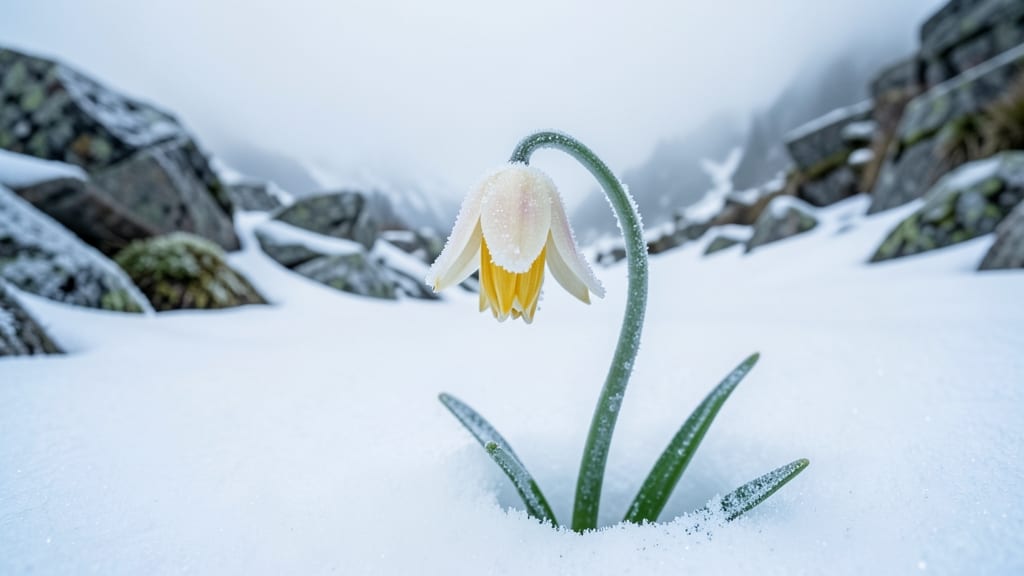
Winter gardens don’t have to be dormant—these 10 resilient flowers defy the cold and bloom even in snow. Perfect for gardeners seeking year-round beauty and hardy winter interest, these plants thrive where others freeze.
Snowdrops: First Messengers of Spring
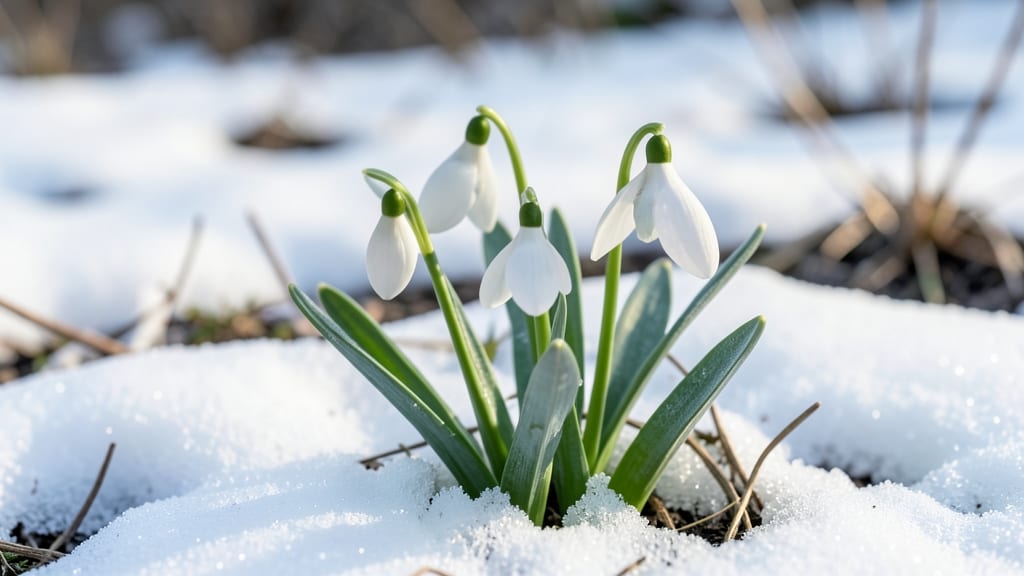
When winter feels endless, snowdrops (Galanthus) arrive like tiny white lanterns, signaling spring’s return even before the snow melts. These delicate yet hardy blooms often emerge through snow as early as December, making them nature’s first floral surprise in many temperate climates.
Plant them in woodland gardens or shaded borders where they’ll thrive in moist, well-drained soil with minimal care. Their naturalizing habit means they’ll multiply over time, creating lush carpets of early blooms. A single bulb can produce multiple stems, and they’re deer-resistant—a bonus for rural gardeners. 🌱
Perfect for beginners and shade-lovers, snowdrops bring hope and beauty to the darkest winter months while requiring almost no maintenance. 💚
Winter Aconite: Golden Stars in Frost
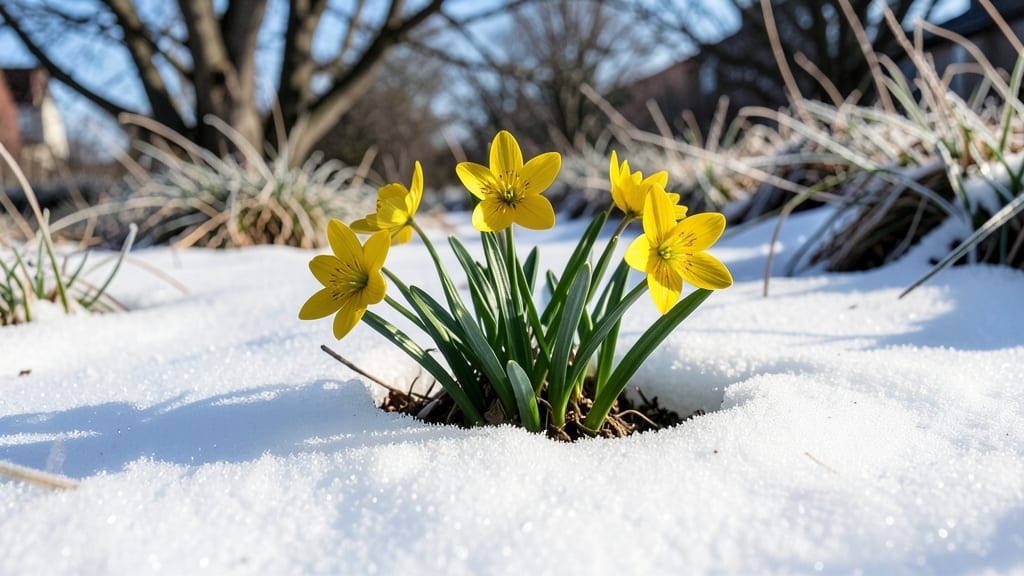
When you crave a burst of sunshine in the dead of winter, winter aconite (Eranthis hyemalis) delivers with its cheerful golden-yellow blooms that appear like tiny stars piercing through snow. Unlike many winter flowers, this hardy perennial thrives in full sun to partial shade, making it versatile for cottage gardens, rocky slopes, or even woodland edges.
Plant the bulbs in fall (3-4 inches deep) in well-draining soil, and you’ll reward yourself with blooms from late winter through early spring—often before snowdrops even appear. Its low-growing habit (6-8 inches tall) makes it perfect for underplanting shrubs or edging paths. Just avoid overwatering, as soggy soil can cause rot.
This easy-care perennial is ideal for gardeners who want winter color without fuss. Its bright blooms will lift spirits and attract early pollinators, proving that winter gardens can be just as vibrant as spring. 🌟
Hellebore: Lenten Rose for Shade Gardens
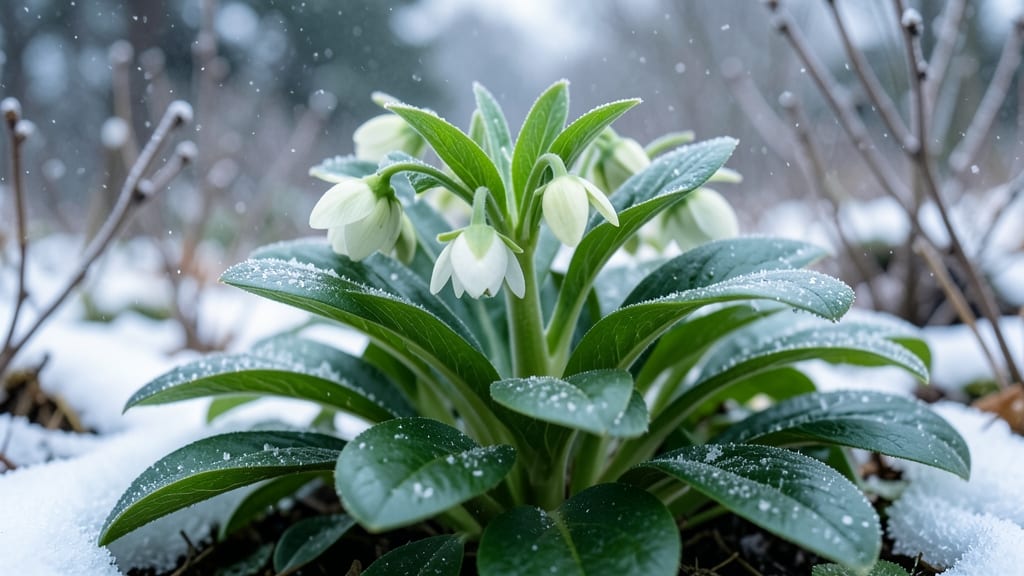
While snowdrops and winter aconite steal the spotlight, helleborus niger (the true Lenten Rose) quietly delivers year-round structure with its glossy evergreen leaves and delicate late-winter blooms that nod like shy snowflakes. Unlike spring ephemerals, these plants stay attractive from autumn through spring, providing frost-resistant color when most gardens are bare.
Plant helleborus in partial to full shade where it thrives in moist, well-drained soil—ideal for woodland edges or under trees. The dark green, leathery foliage creates a dramatic backdrop for its pink or white flowers that emerge in February-March, often while snow still lingers. Deadheading spent blooms encourages more flowers, and dividing clumps every 3-4 years keeps them vigorous.
This is the perfect shade garden anchor for gardeners who crave winter interest without summer maintenance. 🌷
Crocus: Purple and White Winter Jewels
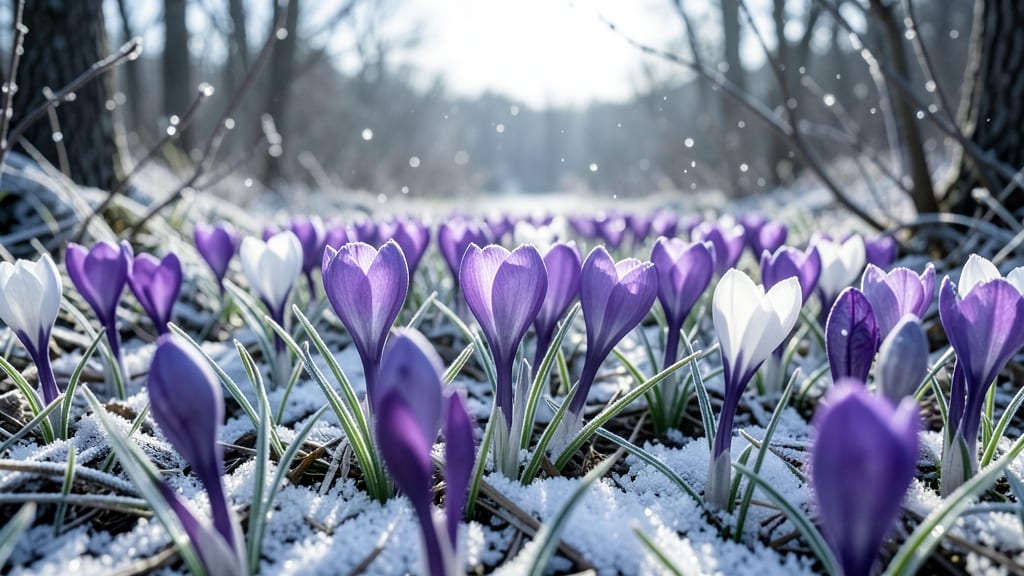
If you want instant winter color that spreads effortlessly, crocus (Crocus vernus) delivers with its vibrant purple or white blooms that appear like magic in late winter—often before the snow fully melts. Unlike delicate spring flowers, these hardy bulbs thrive in USDA zones 3-8, making them perfect for cold climates where other plants struggle.
Plant bulbs in fall (3-4 inches deep) in full sun to partial shade, and they’ll naturalize over time, creating dense carpets of color in lawns, borders, or even between stepping stones. Their early blooms (February-March) provide critical nectar for bees emerging from winter dormancy, making them a pollinator powerhouse. Just avoid overwatering—they prefer dry conditions once established.
Ideal for low-maintenance gardeners, crocus requires no staking or deadheading, and its drought-tolerant nature means it thrives in sunny lawns where other flowers would wilt. Perfect for adding pops of color to snowy landscapes with minimal effort! 🌻
Winter Jasmine: Golden Cascades Against Snow
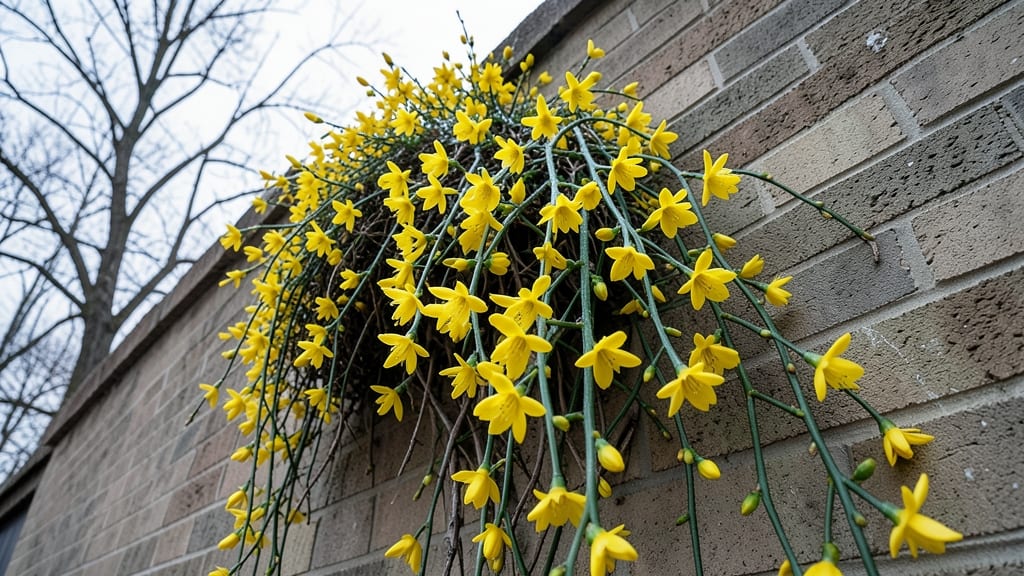
If you want to transform a stark, bare wall into a winter wonderland, winter jasmine (Jasminum nudiflorum) is your golden ticket. Unlike other winter bloomers that fade quickly, this deciduous shrub bursts into bright yellow flowers from December through March, creating a cascading effect that stands out against snow.
Plant it in full sun where it can climb trellises, fences, or arbors, reaching heights of 10-15 feet. Prune back stems in early spring to encourage dense growth and more abundant blooms. While it’s not frost-hardy to the ground in extreme climates (Zones 6-9), its architectural form and vibrant color make it a standout even in cold regions.
Perfect for urban gardeners with limited space or those seeking low-maintenance winter drama, winter jasmine adds vertical interest without the upkeep of roses or climbers. Its cheerful blooms will brighten even the dreariest winter day. ✨
Christmas Rose: Elegant White Blooms in Frost
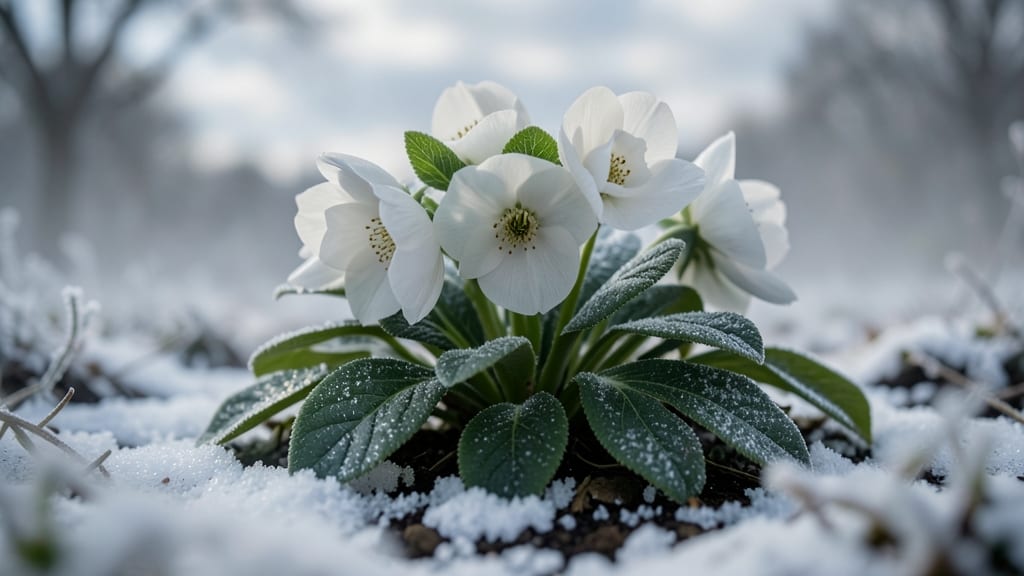
When you crave a holiday-season centerpiece that thrives in frost, the Christmas rose (Helleborus niger) delivers timeless elegance with its snow-white, cup-shaped blooms that appear in December and January—often while snow still blankets the ground. Unlike spring ephemerals, this evergreen perennial stays attractive year-round, offering dark green, leathery foliage that contrasts beautifully with winter’s muted palette.
Plant Christmas roses in partial shade (3-6 hours of sun) where they’ll flourish in USDA zones 4-9, making them ideal for northern climates and woodland gardens. Their frost-resistant blooms nod gracefully above the foliage, and they thrive in moist, well-drained soil—perfect for underplanting shrubs or lining pathways. Mulch with organic matter in winter to protect roots from extreme cold, and avoid overwatering, as soggy soil can cause rot.
This classic winter beauty is a must-have for traditional gardens, holiday-themed landscapes, and low-maintenance shade gardens. Its long bloom season and deer-resistant nature make it a reliable choice for gardeners who want year-round interest with minimal effort. ✨
Siberian Bugloss: Blue Winter Delight
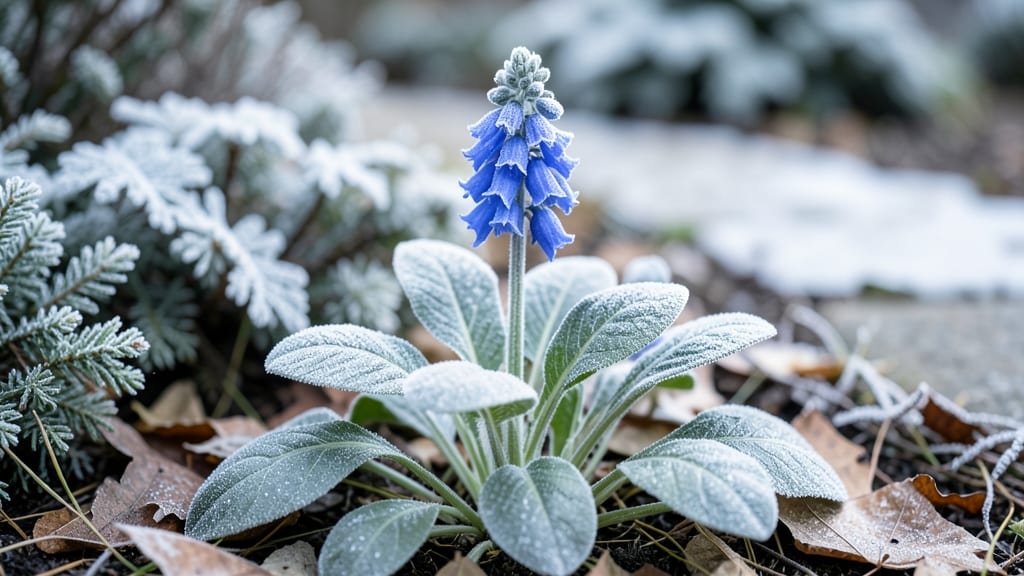
When your garden feels like a monochrome winter landscape, Siberian bugloss (Brunnera macrophylla) injects a burst of cool blue that stands out against frost-kissed leaves. Unlike many winter bloomers, this shade-loving perennial delivers two seasons of interest: silvery-marked, heart-shaped foliage in summer and delicate blue flower spikes in late winter, often when snow still lingers.
Thriving in USDA zones 3-8, Siberian bugloss tolerates partial to full shade, making it ideal for underplanting trees or brightening dark corners of the garden. Its low-growing habit (12-18 inches tall) creates a lush ground cover that suppresses weeds while adding texture. Water moderately—it prefers consistently moist but well-drained soil—and watch it spread gradually over time. The silver variegation on its leaves adds architectural interest even when flowers fade.
This is the perfect solution for gardeners with shady spots who want year-round visual appeal without high maintenance. Its cold hardiness and adaptability make it a standout for woodland gardens, foundation plantings, or even urban courtyards with limited sun. 💚
Dwarf Iris: Purple and White Winter Beauty
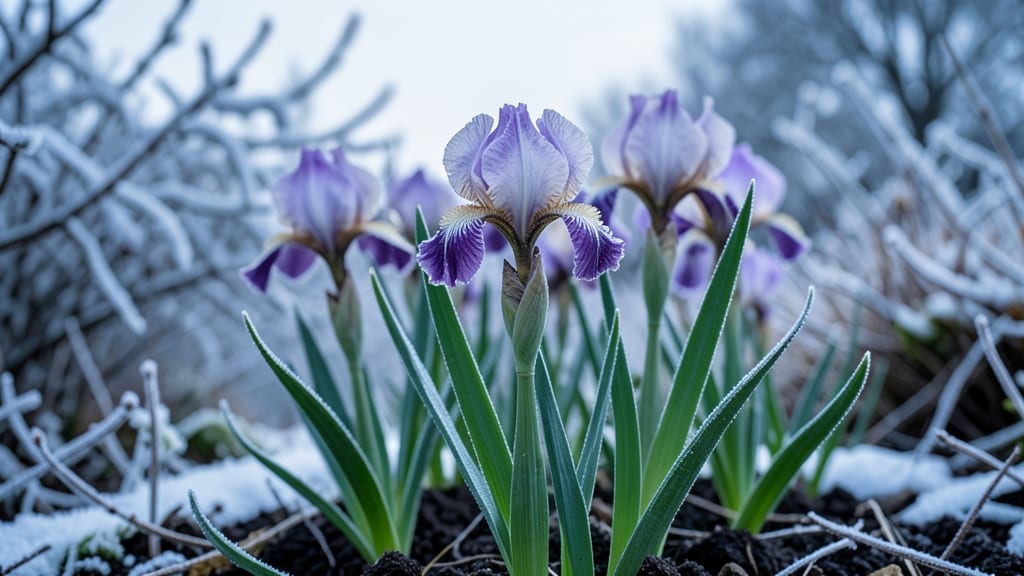
When you crave a touch of drama in your winter garden, dwarf iris (Iris histrioides) delivers with its bold, upright blooms that emerge like purple-and-white snowflakes against frost. Unlike its larger cousins, this compact iris thrives in late winter, often blooming when other perennials are still dormant, and its fragrant flowers add a sensory treat to chilly days.
Plant these rock garden stars in full sun with well-drained soil—they’re perfect for slopes, crevices, or alpine gardens where their 6-12 inch height won’t overwhelm. Divide clumps every 3-4 years to prevent overcrowding, and avoid heavy mulch, as their rhizomes need airflow. The vibrant color contrast against snow makes them a standout in containers or borders.
Ideal for small-space gardeners and rockery enthusiasts, dwarf iris adds textural interest without demanding attention. Their late-season blooms also provide nectar for early pollinators when food is scarce. 🌷
Winter Heath: Pink and White Heather Blooms
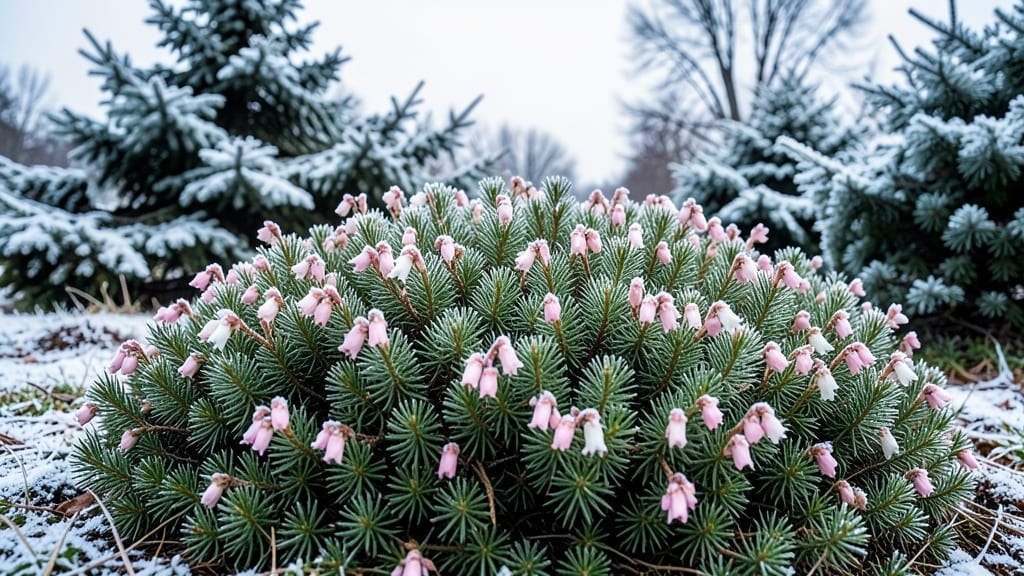
When you crave year-round color that thrives in winter’s chill, winter heath (Erica carnea) delivers a delicate carpet of pink or white blooms from December through March—long after most gardens have gone dormant. Unlike spring ephemerals, this evergreen shrub stays lush through frost, making it a standout for alpine gardens, rockeries, or even containers on patios.
This acid-loving heather thrives in full sun and well-draining, acidic soil (pH 4.5–5.5), so amend clay soil with peat moss or pine needles. Prune lightly after flowering to maintain shape, and water sparingly—its needle-like foliage stores moisture efficiently. Varieties like ‘Springwood White’ or ‘Vivellii’ offer different heights (6–18 inches) for layered winter interest.
Ideal for urban gardeners with small spaces or alpine enthusiasts, winter heath adds texture and color when most gardens are bare. Its fragrant blooms also attract early pollinators like bees, proving winter gardens can be both beautiful and ecologically valuable. 🌷
Glacier Lily: Hardy Alpine Survivor

For gardeners who dream of alpine magic in their winter landscape, Erythronium glaciale—the glacier lily—is a rare treasure that thrives where few plants dare to grow. This delicate beauty emerges in late winter with its nodding white-and-yellow blooms, often pushing through snow in high-altitude gardens and cold climates.
Native to the Arctic and alpine regions of North America, glacier lilies prefer partial shade and well-draining, rocky soil—ideal for alpine gardens, rockeries, or even container growing. Their frost-resistant bulbs store energy underground, allowing them to bloom early when other plants remain dormant. Plant bulbs in fall, just 2-3 inches deep, and enjoy their ephemeral beauty that lasts just a few weeks but feels like a winter miracle.
This is the perfect conversation starter for gardeners who love unique, hardy plants that defy expectations. Its ethereal blooms will make your winter garden feel like a secret Arctic paradise. 🌷