
Blooming
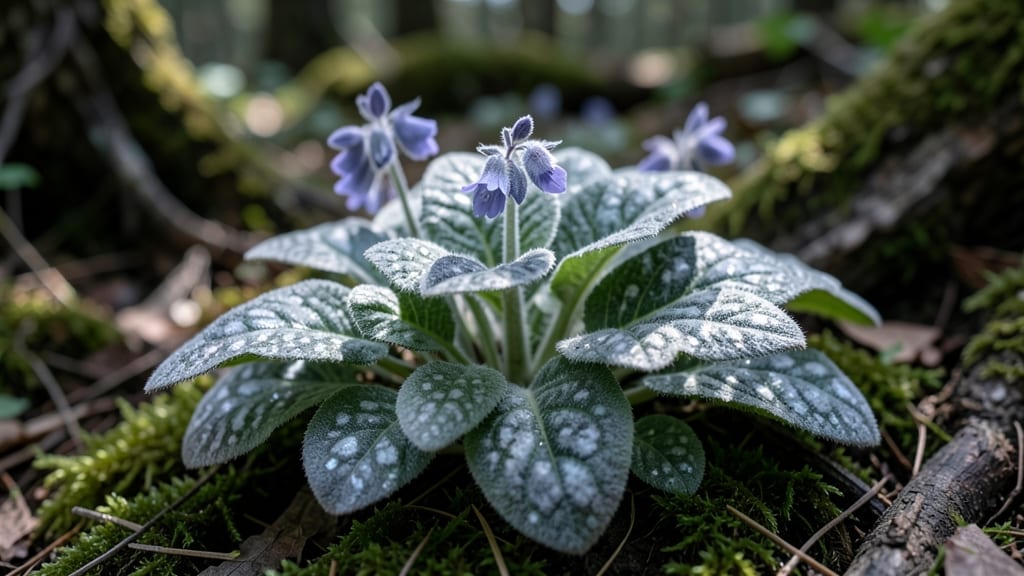
April showers bring May flowers—but these 10 hardy bloomers defy the saying by arriving early, offering vibrant color and pollinator support when spring gardens are still waking up. Perfect for containers, borders, or cutting gardens, these flowers thrive in cool temperatures and transform even the dullest April days.
Daffodils for Early Spring Sunshine
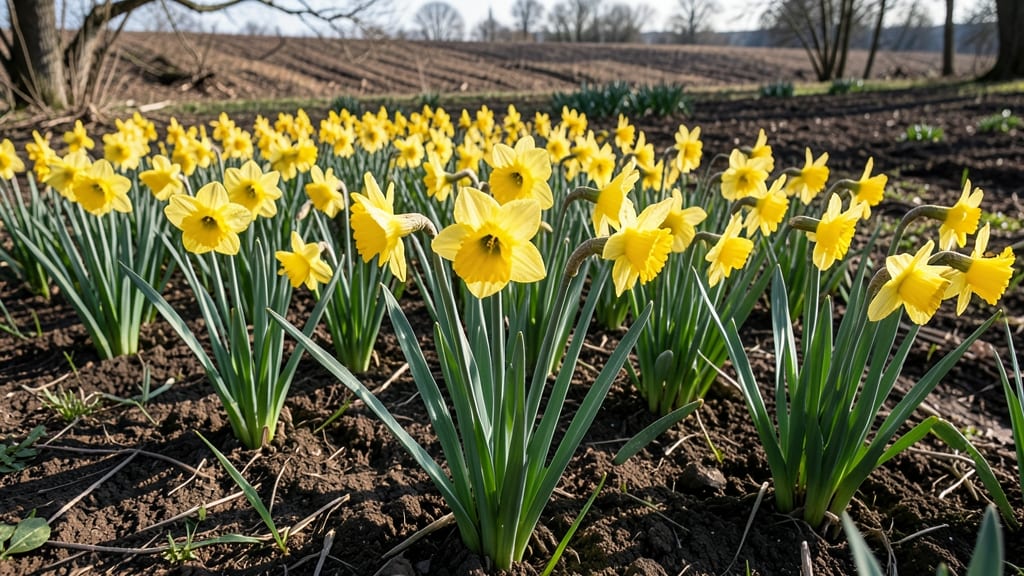
When April’s crisp air still carries a hint of winter, daffodils burst through the soil like nature’s own cheerleader, turning bare patches into golden meadows. These hardy perennials don’t just announce spring—they feed pollinators like bees and butterflies, making them a low-maintenance powerhouse for early-season gardens.
Plant daffodil bulbs in fall for reliable April blooms, choosing sunny spots with well-draining soil. Their toxic foliage deters deer and squirrels, while their bright colors brighten cottage gardens or naturalized meadows. After blooming, let the leaves die back naturally to feed next year’s flowers—no deadheading required!
Perfect for beginners or pollinator-friendly gardeners, daffodils offer year-round value with minimal effort. 🌻
Crocus Flowers in Cool Climates
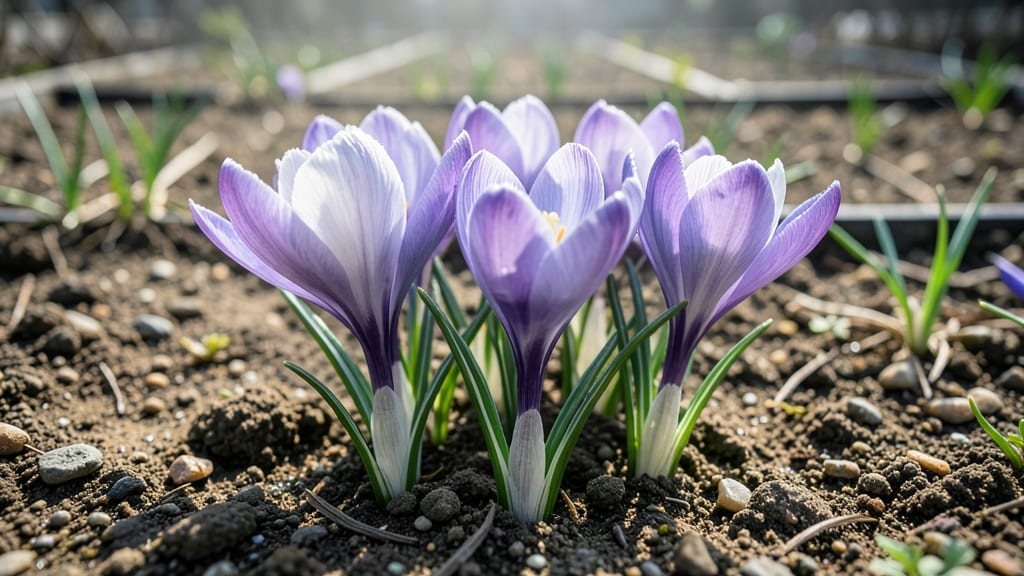
When the ground is still cool and other plants are barely waking up, crocus flowers burst through with their cheerful purple or white blooms—often the first sign that spring has arrived. These hardy perennials thrive in chilly April temperatures (as low as 35°F) and prefer well-drained soil, making them perfect for rocky or woodland areas where other flowers struggle.
Plant crocus bulbs in fall (4-6 weeks before frost) at a depth of 3-4 inches, spacing them 2-3 inches apart. Their low-growing habit makes them ideal for edging pathways, filling gaps in rock gardens, or naturalizing under trees. Once they bloom, let the foliage die back naturally to ensure next year’s flowers.
Gardeners in cooler climates will love how crocus flowers brighten early spring with minimal care. They’re also deer-resistant and attract early pollinators like bees. 🌱
Tulips for Bold April Color
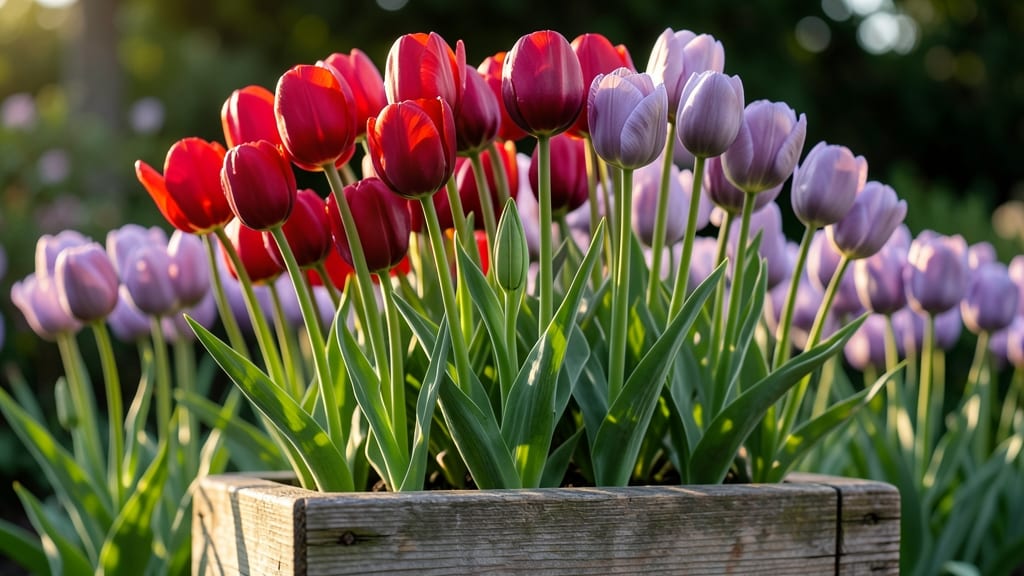
If you want to make a dramatic statement in April with minimal effort, tulips deliver—available in every color from fiery red to soft lavender, they’re the ultimate crowd-pleaser. Unlike daffodils or crocus, tulips offer height and variety, making them perfect for cutting gardens or adding vertical interest to borders.
For maximum impact, plant bulbs in clusters of 5-7 for a natural drift effect, and choose a mix of early, mid-, and late-season varieties to stretch your blooms from late March through May. Most tulips thrive in full sun (6+ hours daily) and well-draining soil, but their vibrant colors will brighten even partial-shade spots. Deadhead spent blooms to encourage stronger stems next year, but leave foliage until it yellows to feed the bulbs.
Urban gardeners and first-time bulb planters will love how tulips transform bare beds into instant spring highlights—just plant once in fall, and you’ll get year-after-year rewards with almost no upkeep. 🌷
Bleeding Heart Plant for Shade Gardens
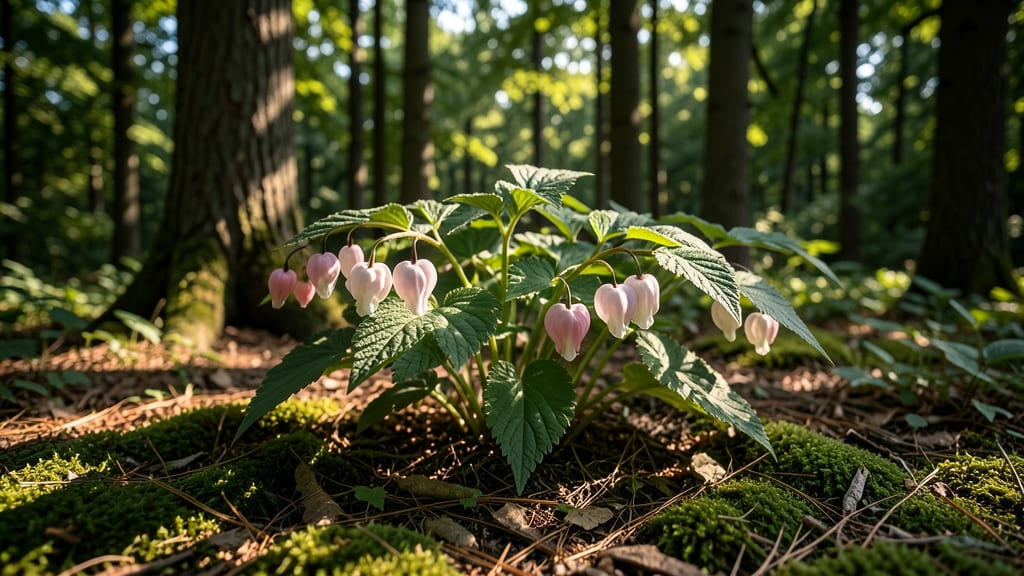
If your garden has spots where sunlight barely reaches, the bleeding heart plant (Dicentra spectabilis) will turn those shady corners into a romantic oasis. Unlike sun-loving April bloomers, this perennial thrives in partial to full shade, making it perfect for woodland gardens, under trees, or along north-facing walls where other flowers struggle.
With its delicate, heart-shaped flowers in shades of pink, white, or red, this plant blooms in late spring to early summer, often overlapping with April’s early bloomers. Plant the tuberous roots in well-draining, moist soil in early fall or spring, spacing them 12-18 inches apart. Mulch around the base to retain moisture and protect the roots from extreme temperatures. While it prefers shade, avoid dense tree roots that compete for nutrients.
Ideal for gardeners with limited sunlight or those seeking a whimsical, cottage-garden feel, bleeding heart plants also attract hummingbirds and add vertical interest with their arching stems. With proper care, they’ll reward you with years of elegant blooms and lush foliage. 🌷
Hyacinths with Fragrant April Blooms
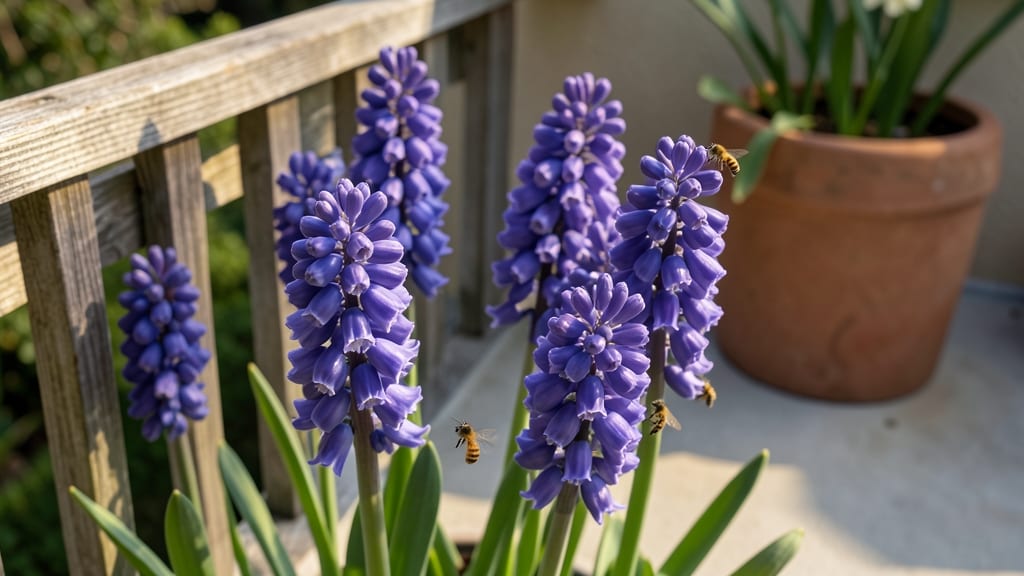
If your balcony or patio feels cramped for spring color, hyacinths are the secret weapon you’ve been missing. Their intense fragrance and towering flower spikes (up to 12 inches tall) create a dramatic focal point in even the smallest spaces, while their sweet scent attracts bees early in the season.
Plant these bulbs in containers with well-draining soil in fall for April blooms, choosing varieties like ‘Annabel’ or ‘Woodstock’ for their vibrant colors and strong fragrance. They thrive in full sun to partial shade and need minimal care—just water when the soil feels dry. After blooming, let the foliage die back naturally to recharge the bulbs for next year.
Urban gardeners and balcony planters will love how hyacinths pack a punch of height and perfume without requiring much room. Pair them with pansies or sweet alyssum for a fragrant spring container combo. 💚
Primrose Flowers for Pollinators
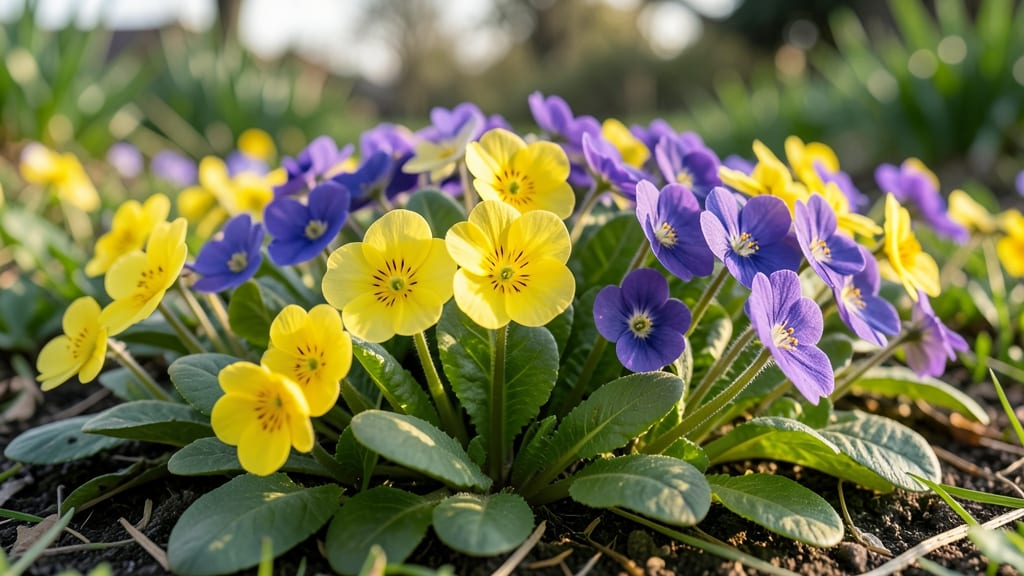
If you want to turn your early spring garden into a buzzing pollinator paradise, primrose flowers are your secret weapon. These cheerful, low-growing annuals bloom as early as late winter, providing critical nectar for bees and butterflies when food sources are scarce—long before most gardens wake up.
Primroses thrive in partial shade to full sun and prefer well-draining soil, making them perfect for borders, rock gardens, or as living ground cover. Choose from varieties like Oxlip Primrose (buttery yellow) or Cowslip Primrose (golden clusters) for maximum pollinator appeal. Deadhead spent blooms to encourage continuous flowering, and mulch around plants to retain moisture during April's unpredictable weather.
Urban gardeners and small-space enthusiasts will love how primroses spill beautifully over container edges, while cottage gardeners can use them to fill gaps between taller perennials. Their early blooms also make them ideal for cutting gardens—just snip stems in the morning for the longest vase life. 🌻
Pansies for Cool-Weather Resilience
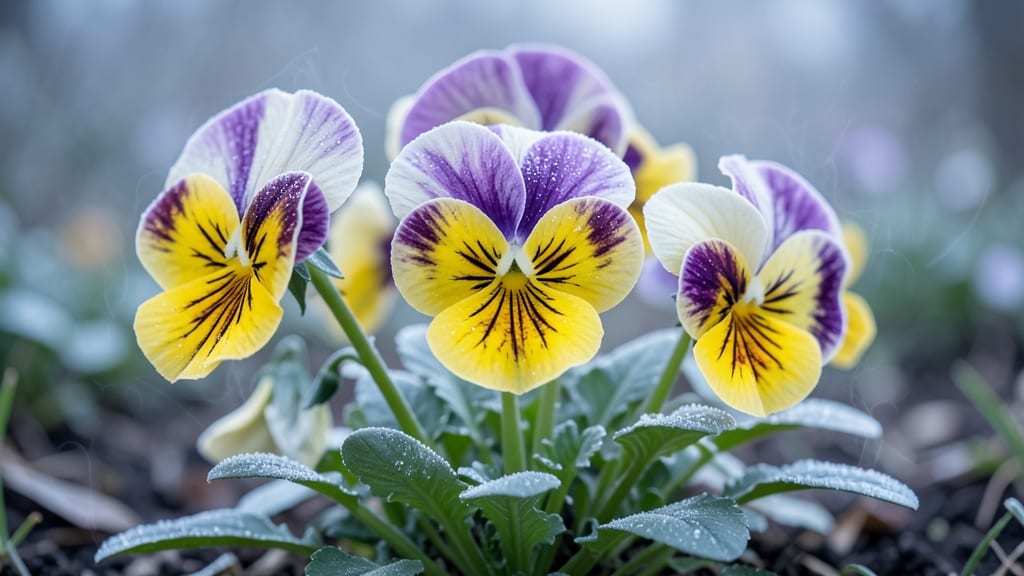
When April’s cool breezes linger and other flowers hesitate to bloom, pansies step in like cheerful little soldiers, unfazed by the chill. These cool-weather champions thrive in temperatures as low as 25°F and even improve with light frost, making them the perfect bridge between winter and spring.
Available in bold colors like purple, yellow, and orange, pansies add instant pops of color to edging, containers, or window boxes. They’re also edible flowers—you can snack on them straight from the garden! For best results, plant them in well-draining soil with 4-6 hours of sun daily, and pinch back spent blooms to encourage more flowers. Their compact size makes them ideal for small spaces or urban gardens.
Container gardeners and beginners will love how pansies deliver instant color with almost no effort—just plant, water, and enjoy their cheerful faces all season long. 🌷
Alliums for Dramatic Garden Height
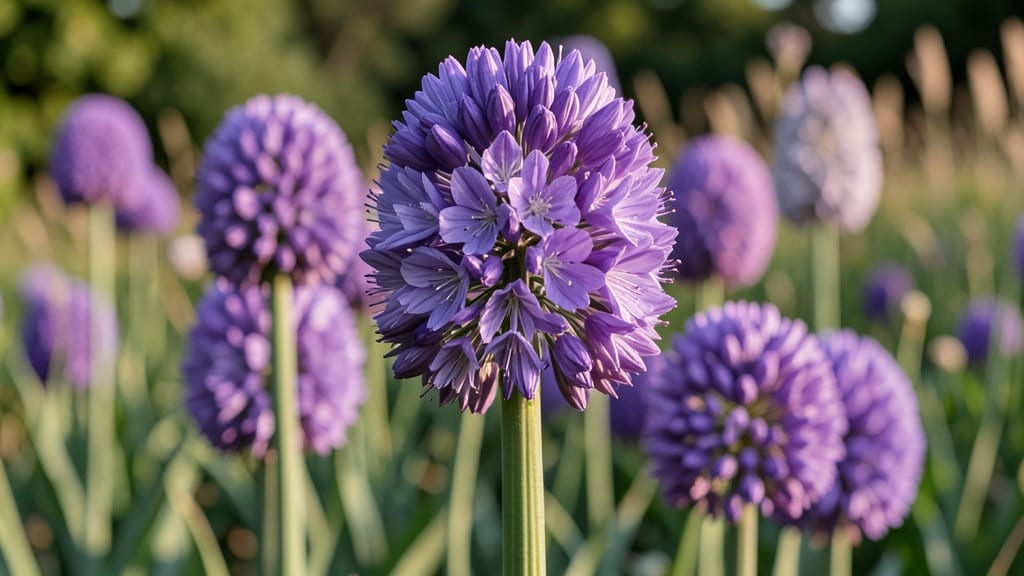
When your garden needs a bold vertical statement that outshines flat blooms, alliums deliver with their striking, globe-shaped flowers that resemble giant purple pom-poms. Unlike traditional April bloomers, alliums offer architectural drama—perfect for cutting gardens or as dramatic focal points in borders where they stand out against foliage.
These hardy perennials thrive in full sun to partial shade and prefer well-draining soil, making them versatile for borders, meadows, or containers. Plant bulbs in fall (6-8 weeks before frost) at a depth of 4-6 inches, spacing them 6-12 inches apart. Varieties like Allium giganteum (giant allium) or Allium schubertii (drumstick allium) attract bees and add height (2-4 feet) that other April flowers can’t match.
Gardeners who love low-maintenance structure and pollinator-friendly plants will adore alliums—they’re deer-resistant, drought-tolerant once established, and their unique blooms last weeks in vases. 🌟
Sweet Alyssum for Fragrant Ground Cover
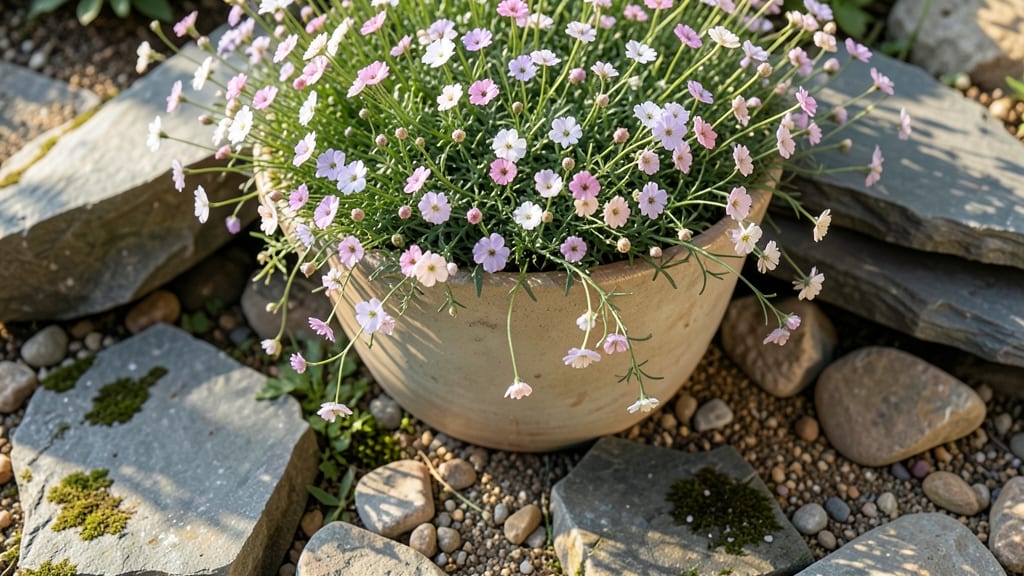
When you need a fragrant, fuss-free way to fill those awkward gaps in your rock garden or soften container edges, sweet alyssum (Lobularia maritima) is your secret weapon. These tiny white, purple, or pink flowers release a honey-like scent that pollinators adore, making them a must-have for April’s early bloomers.
This drought-tolerant annual thrives in full sun to partial shade, making it perfect for rocky soils or containers where other plants struggle. Simply scatter seeds in early spring (or fall in mild climates) and watch them self-seed for year-round ground cover. Pinch back blooms occasionally to encourage bushier growth, and enjoy their sweet aroma wafting through your garden.
Ideal for container cascades, window boxes, or between stepping stones, sweet alyssum brings both beauty and fragrance with almost no effort. Urban gardeners and pollinator enthusiasts will love how it fills spaces while attracting bees and butterflies. 🌱
Lungwort for Medicinal Garden Beauty

While most April bloomers focus on flashy flowers, lungwort (Pulmonaria) steals the show with its silver-spotted foliage that shimmers like moonlight on water. This underappreciated perennial thrives in partial shade, making it perfect for woodland gardens, under trees, or shady borders where other flowers struggle.
With its blue-purple flowers that emerge in early spring (often overlapping with April blooms), lungwort offers both beauty and practical benefits. The leaves contain compounds historically used for respiratory health, earning it the nickname "spotted lungwort." Plant it in moist, well-draining soil and divide clumps every 3-4 years to maintain vigor. Its long bloom time (March-May) and striking foliage ensure it remains a garden star long after other spring flowers fade.
Medicinal gardeners and shade-loving enthusiasts will appreciate how lungwort combines herbal value with ornamental appeal, while its low-maintenance nature makes it ideal for busy gardeners. 💚