
Blooming
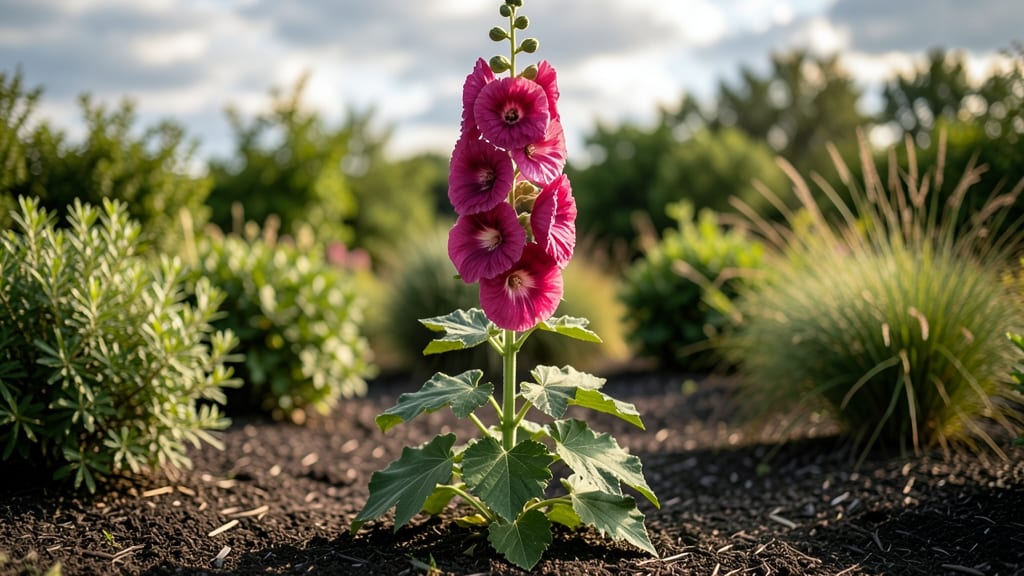
Double bloom hollyhocks transform your garden into a sun-drenched canvas of layered petals. 🌸 I've grown these showstoppers for years, and the secret to their second flush lies in sunlight manipulation—something most gardeners miss.
These varieties don't just bloom once; with the right care, they'll reward you with a second wave of color that steals the show in late summer.
The key starts with full sun exposure (6+ hours daily) and well-drained soil rich in organic matter. Plant seeds ¼ inch deep in spring after the last frost, spacing them 18-24 inches apart.
Unlike their single-bloom cousins, double varieties need sturdy stems—so don't skimp on support. Water consistently at the base to prevent mildew, and watch as those velvety blooms unfurl in waves.
Here's where the magic happens: after the first bloom fades, deadhead spent flowers and fertilize lightly with a balanced 10-10-10. This triggers the rebloom cycle, giving you that second showstopper display. The double blooms are heavier, so stake them early—trust me, you don't want them toppling in a summer storm.
For winter prep, cut back stems to 6 inches but leave the base. Hollyhocks are surprisingly hardy, and this protects them from harsh winds. The next spring, you'll see fresh shoots emerging from the same roots, ready to perform their sun-activated color show all over again.
📚 In This Guide
- What you need
- Instructions
- Tips and common mistakes
- Wrapping up and next steps
What you need
- ● Double Bloom Hollyhock Seeds: 10–20 seeds (choose heirloom varieties like ‘Black Prince’ or ‘Peach Blush’ for guaranteed reblooms).
- ● Well-draining soil: 5–10 cubic feet of amended garden soil (mix in 20% compost or aged manure for nutrients).
- ● Organic fertilizer: 1 lb of 5-10-10 or a balanced bloom booster (e.g., fish emulsion or bone meal).
- ● Mulch: 2–3 inches of straw or wood chips to retain moisture and suppress weeds.
- ● Garden trowel or transplanting spade (for planting seeds/transplants).
- ● Watering can or hose with a gentle spray nozzle (hollyhocks hate soggy roots!).
- ● Pruning shears (sharp, sterilized for deadheading and shaping).
- ● Sunny spot: Full sun (6+ hours daily) is non-negotiable for reblooming.
- ○ Stakes or trellis (optional):** 4–6 ft tall for tall varieties to prevent flopping.
- ● 💡 Test your soil: Aim for a pH of 6.0–7.0 (use a kit or send a sample to your local extension office).
- ● 🔥 Deadhead aggressively: Snip spent blooms below the next set of buds to trigger reblooms.
- ● 🌡️ Water wisely: Keep soil consistently moist but never waterlogged—hollyhocks hate "wet feet."
How to encourage double blooms in hollyhocks
Here's my foolproof method to turn one-season wonders into repeat bloomers.
🌱 Step 1: Choose the Right Varieties for Reblooming
Not all hollyhocks double bloom—focus on Alba, Chater's Double, or Nigra varieties. I always check seed packets for "reblooming" labels because single-bloom types like Black Prince won't respond to this method. Start with 4 plants (your servings) of the same variety for consistent results.
Plant in full sun with at least 6 hours of direct light daily. Hollyhocks tolerate partial shade but bloom less reliably. I space mine 18-24 inches apart in well-draining soil—they hate soggy roots. The key here is patience: it takes 2-3 years for established plants to reliably rebloom.
☀️ Step 2: Deadhead Strategically After First Bloom
Once the first flowers fade, snip the spent blooms back to the first set of healthy leaves below the flower head. I use clean, sharp pruners to avoid damaging stems. This removes the seed pods that would signal the plant to go dormant, tricking it into producing a second flush.
Don't cut into old wood—you want to preserve next year's blooms. Watch for new buds forming at the base of the stem within 4-6 weeks. If you see leggy growth instead, your plant needs more light or fertilizer. I add a balanced 10-10-10 fertilizer at half strength right after deadheading to support new growth.
💧 Step 3: Water and Feed for Continuous Growth
Keep soil consistently moist but never waterlogged—hollyhocks wilt dramatically when thirsty but bounce back quickly once hydrated. I water at the base deeply 2-3 times per week during dry spells, checking that the top 2 inches of soil feel dry before watering again. Overhead watering encourages mildew, which hollyhocks are prone to.
Feed every 4-6 weeks with a low-nitrogen fertilizer (like 5-10-10) to promote flowering over leafy growth. You'll notice new flower buds forming along the stems after feeding. If buds appear but don't open, your plant might need more sunlight or less water—hollyhocks often drop buds when stressed.
✂️ Step 4: Winter Care for Next Season's Blooms
After the final blooms of the season, cut back stems to 6 inches tall before winter. This prevents disease buildup in old stems and redirects energy into next year's growth. I leave the basal rosette of leaves intact—they'll protect the crown through winter.
Mulch heavily with 2-3 inches of organic mulch (like straw or shredded leaves) to insulate roots. Hollyhocks are hardy down to zone 3, but young plants benefit from winter protection. In spring, remove mulch before new growth appears—you'll see fresh leaves emerging from the base by late April or early May, depending on your zone.
🌿 Step 5: Prune and Support for Year-Round Color
In early spring, remove all dead or damaged stems at the base. You'll see new shoots emerging from the crown—these are your future bloomers. I stake tall varieties (over 5 feet) with 3-foot bamboo stakes tied loosely to prevent flopping in wind or rain.
Continue deadheading throughout the season to encourage continuous blooming. By mid-summer, your plants should have multiple flower spikes instead of just one. If growth slows in heat waves, give them a light feeding and increase watering slightly—hollyhocks are surprisingly drought-tolerant once established, but they'll reward you with more blooms when conditions are ideal.
Tips & tricks for perfect hollyhock reblooming
These simple strategies will help you coax extra blooms from your hollyhocks all season long.
Variety Selection: When choosing your hollyhock varieties, look for the "reblooming" label on seed packets—this is your golden ticket to multiple flushes. I've found that Alba and Chater's Double are the most reliable performers, producing vibrant second blooms when given proper care. If you're starting from cuttings or existing plants, check for multiple flower stems rather than single spikes, as these are more likely to rebloom.
Deadheading Technique: The key to successful deadheading in Step 2 is precision—cut just above the first set of healthy leaves below the spent bloom, not into the woody stem. This preserves the plant's energy stores for future growth. I've learned the hard way that cutting too close to the stem can damage next year's buds, so always use sharp pruners and make clean cuts. Watch for new buds forming at the base within 4-6 weeks as your reward for this careful pruning.
Light and Fertilizer Balance: Hollyhocks need that full sun (6+ hours daily) to rebloom reliably, but too much direct afternoon sun in hot climates can stress them. If you notice buds dropping or leaves wilting, provide some afternoon shade during peak summer heat. When fertilizing, stick to the 10-10-10 balanced formula at half strength—too much nitrogen will give you lush leaves but few flowers, while too little will starve your blooms.
Winter Preparation: That 6-inch winter pruning in Step 4 isn't just about tidiness—it's about redirecting energy to next year's growth. Leave those basal leaves intact as natural insulation for the crown. In colder zones (below 5), add an extra layer of mulch (3 inches) to protect young plants. I've seen firsthand how this simple step can mean the difference between sparse blooms and a lush display the following season.
Pro Tips for Double Bloom Hollyhocks
- These simple strategies will help you coax extra blooms from your hollyhocks all season long.
- Variety Selection: When choosing your hollyhock varieties, look for the "reblooming" label on seed packets—this is your golden ticket to multiple flushes.
- Deadheading Technique: The key to successful deadheading in Step 2 is precision—cut just above the first set of healthy leaves below the spent bloom, not into the woody stem.
Frequently asked questions
Got questions about coaxing double bloom hollyhocks into a second (or third!) glorious round of flowers? You’re not alone! Here are answers to the most common curiosities—from timing tricks to troubleshooting tips—so you can keep those velvety blooms coming all season.
How do I encourage double blooming in hollyhocks?
Double blooming happens when you prune strategically and feed your plants. After the first flush of flowers fades, cut back stems to 12–18 inches tall (just above a leaf node) and fertilize with a balanced, bloom-boosting formula (like 10-10-10). Sunlight is key—6+ hours daily triggers rebloom hormones. Deadhead spent blooms too!
When is the best time to prune for a second bloom?
Prune right after the first bloom cycle ends (usually late spring/early summer). Avoid cutting too late in the season—after July—or the plant may not have enough time to recover and rebloom. If your climate is mild, a light trim in early fall can sometimes coax a third round!
Can I grow double bloom hollyhocks in containers?
Yes, but choose dwarf varieties (like ‘Lady in Black’ or ‘Peach Blow’) and use large pots (12+ inches wide) with well-draining soil. Containers dry out faster, so water deeply 2–3 times weekly and fertilize every 4–6 weeks. Just know: reblooming may be less reliable in pots due to limited root space.
Why aren’t my hollyhocks reblooming?
Common culprits:
- Lack of sunlight: Hollyhocks need full sun (6+ hours). Move them to a sunnier spot if blooms are sparse.
- Overcrowding: Thin plants to 12–18 inches apart for better airflow and energy.
- Poor soil: Amend with compost and use a phosphorus-rich fertilizer (like bone meal) to encourage blooms.
- Pests/disease: Rust or hollyhock rust can weaken plants. Remove infected leaves and treat with neem oil.
What’s the best hollyhock variety for reblooming?
Look for ‘Double Bloom’ series or hybrid varieties like:
- ‘Black Prince’ (deep burgundy)
- ‘Peach Blow’ (soft pink)
- ‘Chater’s Double’ (classic ruffled blooms)
These are bred for stronger rebloom tendencies than heirloom types. Just remember: no variety guarantees 100% rebloom—sun, care, and a little luck play a role!
Wrapping up and next steps
Double bloom hollyhocks are your ticket to year-round garden magic—with just a little sun and care! Their ability to rebloom under the right conditions means more vibrant color, fewer gaps in your floral displays, and a garden that stays lively from spring to frost.
Whether you're a seasoned gardener or just starting, these sun-loving beauties make it easy to enjoy effortless elegance with minimal fuss.
Ready to transform your garden? Start by choosing the right variety and giving them that golden sun exposure they crave. Then, watch as your hollyhocks thank you with bold, repeat performances all season long! 🌻✨