
Blooming
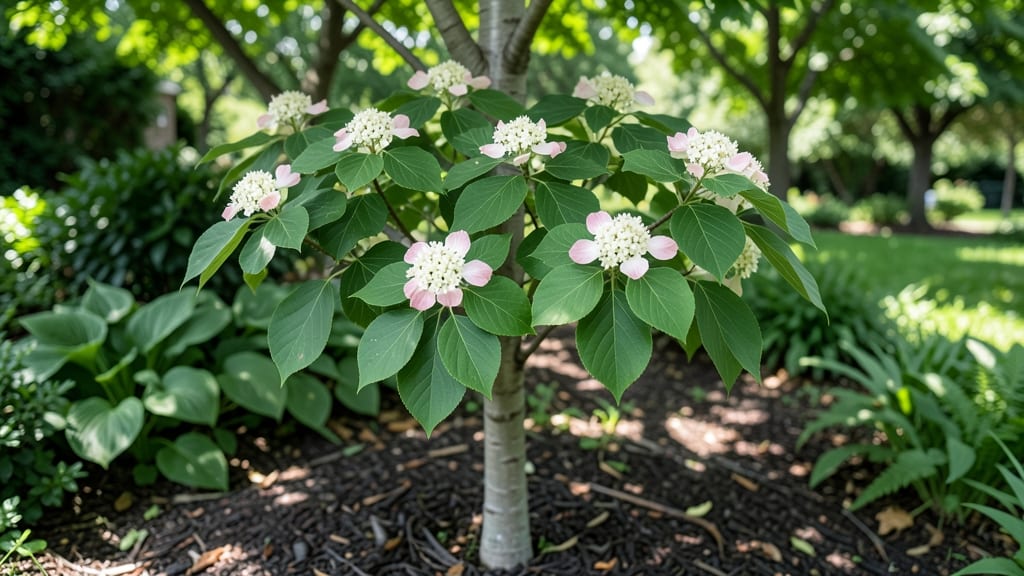
Understanding dogwood bloom meanings reveals their powerful symbolism: white petals embody purity and hope, pink blossoms convey love and gratitude, while bicolor varieties merge these themes with resilience and renewal. Their springtime appearance reinforces their connection to fresh starts and transformation.
Dogwood flowers have captivated cultures for centuries, serving as natural messengers of hope and renewal. 🌸 The white varieties, often associated with purity, were historically used in Native American ceremonies to welcome spring's arrival, while pink blooms became symbols of gratitude in Christian traditions.
What makes these flowers particularly meaningful is how their colors interact—bicolor varieties represent the balance between hope and love, creating a visual metaphor for emotional resilience.
This duality explains why dogwoods appear in everything from wedding bouquets to memorial gardens, where their symbolic depth adds layers of meaning to special occasions.
What's fascinating is how these meanings extend beyond symbolism into practical gardening. Planting dogwoods in your landscape isn't just about beauty—it's about creating a living statement. 🌿 Their early spring blooms serve as nature's reminder of new beginnings, while their persistent leaves throughout summer offer continuous visual interest.
Many gardeners strategically place them near entryways or meditation spaces to harness their uplifting energy, proving that even a single tree can transform a space's emotional tone.
💡 In This Article
- Historical and Cultural Significance of Dogwood Flowers
- How to Use Dogwood Blooms in Garden Symbolism
Historical and cultural significance of dogwood flowers
The dogwood's sacred status begins with Native American tribes, who revered its white blooms as spiritual messengers.
The Cherokee, for instance, called it "the tree of life" and used its bark to treat fevers, while the Iroquois associated its spring blooming with the return of game animals after winter. 🌿 Archaeological evidence shows dogwood wood was carved into ceremonial tools and masks—its durability and beauty made it a natural choice for sacred objects.
The tree's early spring flowering also aligned with planting seasons, reinforcing its role as a harbinger of agricultural renewal.
Christian traditions deepened dogwood symbolism through the "Passionflower" legend.
According to medieval lore, the tree's white blossoms turned pink from the blood of Christ during the crucifixion—a story that explains why pink dogwoods became symbols of divine love and sacrifice. 🌸 This connection is why you'll find dogwoods in churchyards and Easter decorations: their blooms visually represent both resurrection and gratitude.
The tree's four-petaled flowers even mirror the four Gospels in some interpretations, creating a visual connection between nature and religious teachings.
European folklore added another layer by associating dogwoods with protection.
In Scandinavian tales, the tree's branches were hung over doorways to ward off evil spirits, while Victorian flower language classified white dogwoods as messages of "hope in adversity." 🌟 This protective symbolism explains why dogwoods appear in fairy tales as guardians of magical glades.
The tree's hardy nature—thriving in both forest understories and cultivated gardens—mirrors its cultural resilience across continents and centuries.
Modern interpretations blend these traditions with psychological symbolism.
Color psychologists note that white dogwoods' purity associations make them ideal for weddings, while pink varieties' love symbolism appears in romantic poetry and Valentine's Day decor. 💖 The bicolor varieties, with their dual messaging, have become particularly popular in memorial gardens where visitors seek both comfort and inspiration.
This cultural layering demonstrates how a single plant can carry centuries of human meaning while remaining deeply connected to nature's cycles.
What's particularly fascinating is how these meanings adapt to different climates.
In the southeastern U.S., where dogwoods are native, their blooms arrive precisely when peach trees begin flowering—a natural calendar that reinforced their agricultural significance. 🌱 Meanwhile, in colder northern regions where dogwoods were later introduced, their early spring blooms became symbols of defiance against harsh winters.
This geographic variation shows how cultural symbolism evolves while maintaining core themes of renewal and protection.
The dogwood's bark also plays a symbolic role, with its distinctive diamond pattern inspiring artistic representations.
Some Native American tribes used this pattern in basket weaving to symbolize interconnectedness, while Victorian-era botanical illustrations often included the bark as a "signature" of the tree's authenticity. 🌿 This attention to detail reveals how every part of the dogwood—from blossoms to bark—became embedded in cultural narratives, making it one of nature's most complete symbolic packages.